
Investing in solar panels for your Phoenix-area home or business is a significant step toward energy independence and lower utility bills. However, in the unique and demanding Arizona climate, with its intense sun, pervasive dust, and dramatic monsoon seasons, that investment is only protected through proactive care. Simply installing panels isn't enough; maintaining them is the key to maximizing their 25+ year lifespan and ensuring you get the full return on your investment.
A dirty, damaged, or poorly maintained system can lose up to 25% of its efficiency, silently costing you money every day. This decline is especially true in areas like Scottsdale and Gilbert, where fine dust and seasonal debris are constant battles. To truly understand the comprehensive nature of maintaining a high-performing system, it's beneficial to consult an ultimate preventative maintenance checklist that covers essential tasks across various facility systems.
This detailed solar panel maintenance checklist is designed specifically for Arizona property owners. It moves beyond generic advice to provide actionable, detailed steps for inspecting, cleaning, and protecting your system. Whether you're managing a commercial array in Phoenix or a residential rooftop in Tempe, following this guide will help you safeguard your asset. It will also help you prevent costly repairs and keep your energy production at its peak, year after year, which is the core goal of any solar installation. This checklist provides the structured approach needed to ensure your panels deliver optimal performance and long-term value.
1. Visual Inspection for Dust, Dirt, and Debris Accumulation
The foundational first step in any effective solar panel maintenance checklist is a simple yet critical visual inspection. This process involves carefully examining the surface of your panels from a safe vantage point to identify any buildup of dust, dirt, pollen, stubborn bird droppings, or other debris that obstructs sunlight. In Arizona's unique desert environment, this isn't a minor issue; persistent dust and grime can accumulate rapidly, forming a hazy film that significantly curtails your system's energy production.

This inspection is your primary diagnostic tool. It helps you determine the severity of the buildup and establishes a baseline for how often professional cleaning is truly necessary. Ignoring this layer of grime means your investment isn't performing at its peak.
Key Insight: In Arizona, unchecked dust accumulation can reduce panel efficiency by 15-25%. A quick visual check can be the difference between optimal energy savings and leaving money on the table.
Practical Application & Actionable Tips
A systematic visual check ensures nothing is missed. For commercial property managers in Gilbert overseeing arrays near construction zones, bi-monthly inspections are a practical standard. Likewise, homeowners in Scottsdale and Paradise Valley often see a dramatic jump in efficiency after a post-pollen-season cleaning.
Follow these steps for a productive inspection:
- Time Your Inspections: Schedule checks just before and after Arizona’s major dust and monsoon seasons (typically late spring and late summer) to assess and address seasonal impacts.
- Use Binoculars: For safety, use a pair of binoculars to get a clear, close-up view of rooftop panels without ever needing a ladder.
- Document and Compare: Snap a quick photo with your phone during each inspection. This creates a visual log to track how quickly dirt accumulates, helping you predict future cleaning needs.
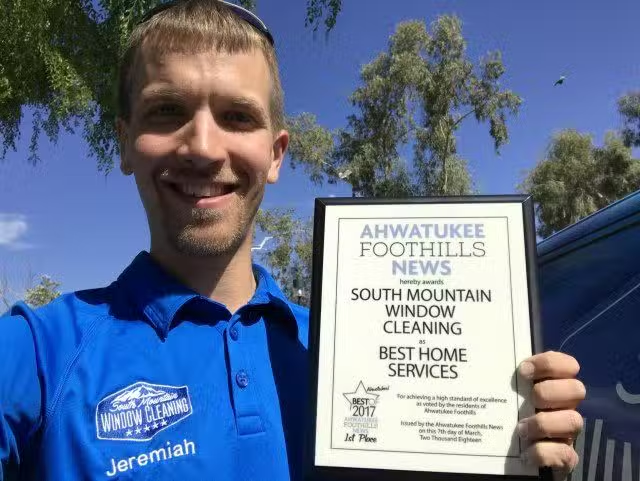
- Consult a Professional: If you're unsure what you're seeing or whether the buildup warrants a cleaning, a professional assessment can provide clarity. Companies like South Mountain Window Cleaning, serving communities from Phoenix to Tempe, offer expert evaluations to ensure your system performs optimally. For detailed guidance on the cleaning process itself, review these professional tips for cleaning solar panels to understand what is involved.
2. Checking for Cracks, Chips, and Physical Damage to Panel Glass
Beyond surface-level grime, a thorough solar panel maintenance checklist must include a detailed inspection for physical damage. This step involves scanning panel surfaces for any cracks, chips, scratches, or signs of impact. In Arizona, where extreme temperature swings from over 100°F during the day to 60°F at night are common, thermal stress can cause hairline fractures. Similarly, seasonal hail storms or wind-blown debris can lead to significant damage that compromises both safety and performance.

This inspection is critical because even minuscule damage can allow moisture to penetrate the panel, leading to internal corrosion and electrical failures. Ignoring these issues not only diminishes your system's output but can also create serious safety hazards over time.
Key Insight: A small, unnoticed crack can reduce a single panel's efficiency by 5-30% and may void the manufacturer's warranty if not documented and addressed promptly.
Practical Application & Actionable Tips
A proactive approach to damage detection can prevent costly repairs. For instance, commercial solar installations in Chandler that undergo seasonal inspections are better equipped to find and fix micro-damage before it affects the entire array's output. Likewise, homeowners in Phoenix who check their systems after a major monsoon storm can identify and replace compromised panels, safeguarding their investment.
Follow these steps for an effective damage inspection:
- Inspect After Severe Weather: Always perform a check after hail storms, high winds, or significant dust storms, as these events are the primary culprits for impact damage.
- Document Everything: Use your smartphone to take clear, dated photos of any cracks, chips, or other anomalies. This documentation is essential for warranty claims and insurance purposes.
- Check Panel Sealants: Examine the sealant around the edges of each panel. Look for signs of cracking, peeling, or separation, which can be an early indicator of moisture intrusion.
- Rely on Trained Professionals: Identifying subtle damage requires a trained eye. A professional service like South Mountain Window Cleaning, which serves clients from Scottsdale to Gilbert, has technicians skilled in spotting hard-to-see defects during a routine cleaning, ensuring no potential issue goes unnoticed.
3. Examining Mounting Hardware and Structural Connections
Beyond a clean surface, the structural integrity of your solar array is fundamental to its long-term safety and performance. This part of the solar panel maintenance checklist involves a hands-on inspection of all the components holding your system in place: the bolts, brackets, rails, and clamps. Arizona’s harsh climate, with its intense thermal expansion and contraction cycles and powerful monsoon winds, can gradually loosen these critical fasteners, creating significant safety risks and potential for damage.

This checkup is your system's structural health screening. It ensures that panels remain securely affixed, preventing them from shifting, rattling, or becoming detached, which could void warranties and lead to costly repairs. A secure mount is a prerequisite for a reliable, long-lasting energy investment.
Key Insight: A single loose bolt can compromise the stability of an entire panel section. Regular hardware checks are a low-effort, high-impact preventative measure against catastrophic failure during a major Arizona storm.
Practical Application & Actionable Tips
Systematic hardware inspections have proven their worth across the Valley. For instance, high-rise commercial buildings in Scottsdale identified loosened bolts during routine inspections, preventing potential panel displacement. Similarly, residential systems in Paradise Valley caught early corrosion on aluminum rails, enabling preventive treatment before the damage became severe.
Follow these steps for a thorough hardware inspection:
- Schedule Biannual Checks: Inspect all hardware twice a year, paying special attention to the period just before monsoon season begins to ensure your system is prepared for high winds.
- Check for Proper Tension: If you have safe access and are comfortable doing so, use a torque wrench to gently verify that bolts meet the manufacturer's specified tension. Never overtighten.
- Document and Compare: Take clear photos of all major connection points during your first inspection. Use these as a baseline to spot any shifting, corrosion, or changes in subsequent checks.
- Prioritize Professional Expertise: For any system that is difficult to access, on a steep roof, or for any task you're unsure about, professional service is non-negotiable. Companies like South Mountain Window Cleaning, serving businesses and homes from Phoenix to Gilbert, have the safety equipment and training to perform these inspections correctly and identify issues the untrained eye might miss.
4. Testing Electrical Connections and Inverter Performance
Beyond the surface-level cleaning, a crucial part of any comprehensive solar panel maintenance checklist involves a technical inspection of the system's electrical heart. This step focuses on the integrity of electrical connections, wiring harnesses, junction boxes, and the functionality of the inverter. In Arizona's demanding climate of extreme heat and dust, loose connections and corrosion are not just possibilities; they are eventualities that can undermine system performance and safety.
This electrical checkup is designed to ensure that the flow of energy from your panels to your property is optimized and free from hazards. It is the only way to reliably identify potential issues like arc faults or ground faults before they escalate into serious safety risks or costly system failures. For a system to produce its maximum rated power, every connection must be secure and clean.
Key Insight: A single corroded terminal or loose connector can act as a bottleneck, reducing a system's efficiency by as much as 8-10%. Routine electrical inspections are not just for safety; they directly protect your energy investment.
Practical Application & Actionable Tips
A proactive approach to electrical maintenance prevents both energy loss and potential dangers. For instance, commercial solar arrays in Gilbert have averted fire hazards by detecting loose connectors during annual testing. Similarly, routine inspections for residential systems in Tempe have uncovered corroded terminals that, once fixed, restored lost efficiency.
Follow these steps for a professional electrical inspection:
- Hire Certified Professionals: Never attempt to test electrical components yourself. This task requires a certified solar electrician or a licensed professional with the correct tools and safety training.
- Schedule Annual Inspections: Plan for a thorough electrical inspection at least once a year. It's also wise to schedule one after any severe weather event, such as a major monsoon storm, which can stress connections.
- Check Your Inverter Display: On a monthly basis, visually inspect your inverter's display screen for any error codes or warning lights. Consult your user manual or a professional if you see any alerts.
- Document All Test Results: Keep a detailed log of all inspection reports and test results. This documentation is invaluable for performance tracking, troubleshooting, and supporting any potential warranty claims.
5. Monitoring for Water Leaks or Moisture Infiltration Around Panel Penetrations
Beyond the surface of the panels themselves, a crucial part of a solar panel maintenance checklist involves inspecting the points where the mounting hardware penetrates your roof. This step focuses on carefully checking for any signs of water infiltration, moisture damage, or degradation of the seals around these connection points. Arizona’s intense monsoon season can test the integrity of any roof seal, making this inspection critical for preventing small issues from becoming catastrophic failures.
This check is your primary defense against costly structural and water damage. Over time, UV exposure and weather fluctuations can cause sealants like caulking to crack and flashing to fail, creating entry points for moisture. Identifying these vulnerabilities early protects your attic, electrical wiring, and interior spaces from leaks that can go unnoticed until significant damage is done.
Key Insight: A compromised roof penetration seal, often no larger than a hairline crack, can lead to thousands of dollars in water damage repairs. This inspection safeguards both your solar investment and the structural integrity of your property.
Practical Application & Actionable Tips
A systematic inspection of penetration points is a non-negotiable task for property owners. For instance, homeowners in Chandler have caught failing caulking during post-monsoon checks, averting serious attic water damage. Similarly, commercial facility managers in Scottsdale who conduct these inspections have identified moisture around rooftop mounts, allowing for preventive resealing before leaks could impact operations.
Follow these steps for an effective moisture inspection:
- Schedule Seasonal Checks: Perform detailed inspections before and after Arizona's monsoon season (July to September) to identify and repair any weaknesses exposed by heavy rainfall.
- Inspect from Inside: Periodically enter your attic or the space directly below the panels to look for water stains on the underside of the roof deck, damp insulation, or signs of mold.
- Examine Sealants and Flashing: Annually inspect the caulking and flashing around all roof mounts. Look for cracks, gaps, or material that is pulling away. Reseal any suspect areas immediately with a high-quality, roofing-grade sealant.
- Clear Nearby Gutters: Ensure that gutters and drainage paths near your solar array are clear of debris. Clogged gutters can cause water to back up and pool around penetration points, increasing the risk of infiltration.
- Document for Comparison: Take clear photos of the penetration seals each year. This visual record serves as a baseline, making it easier to spot degradation over time.
6. Assessing Temperature and Thermal Performance Issues
Beyond visible dirt and damage, a crucial element of any solar panel maintenance checklist involves evaluating thermal performance. Solar panels generate electricity more efficiently at cooler temperatures. In Arizona's intense heat, excessive thermal buildup can significantly hinder energy output and even shorten the lifespan of your system. This assessment focuses on identifying issues like poor ventilation, heat concentration from reflective surfaces, or thermal cycling stress that silently compromise your investment.
Proper heat dissipation is critical for peak performance. When panels overheat, their ability to convert sunlight into energy drops, sometimes by as much as 10-20% during the hottest summer afternoons. This inspection helps pinpoint the root causes of thermal inefficiency, ensuring your system remains productive even when temperatures soar.
Key Insight: Inadequate airflow behind panels is a common culprit for overheating. A residential system in Phoenix, for instance, saw an 8% efficiency improvement just by increasing the mounting clearance by a few inches, demonstrating the direct link between cooling and output.
Practical Application & Actionable Tips
A proactive approach to thermal management protects your solar investment. Commercial installations in Tempe have identified and mitigated issues where nearby reflective surfaces amplified heat onto their arrays. Similarly, high-rise office buildings in Scottsdale routinely verify their systems have adequate air gaps to prevent dangerous thermal buildup during peak summer months.
Follow these steps for an effective thermal assessment:
- Time Your Assessment: Conduct thermal checks during the hottest part of the day, typically between 2 PM and 4 PM, to observe the system under maximum thermal load.
- Use Proper Tools: For a precise analysis, an infrared camera or thermal imaging device provides an accurate measurement of surface temperatures, highlighting any abnormal hot spots.
- Verify Airflow Gaps: Ensure there is a minimum of 2-3 inches of clearance between the roof surface and the back of the solar panels to allow for convective cooling.
- Monitor Performance Data: Keep an eye on your system's output data. A noticeable drop in efficiency during hotter months compared to previous years can indicate a developing thermal issue.
- Seek Professional Evaluation: If you suspect a thermal problem, specialists can provide a detailed analysis. The experts at South Mountain Window Cleaning serve communities from Gilbert to Paradise Valley and can incorporate thermal considerations into their overall system health checks.
7. Cleaning and Maintaining Inverter and Combiner Box Components
Beyond the panels themselves, a complete solar panel maintenance checklist must include the system's critical electronic components. This preventive task involves keeping inverters, combiner boxes, and disconnect switches free from dust, dirt, and other airborne contaminants. In Arizona's desert climate, fine dust can easily infiltrate equipment enclosures, acting as an insulator that traps heat and accelerates component degradation.
This maintenance step is vital because blocked cooling vents or dust-caked heat sinks force the inverter to work harder and run hotter, reducing its efficiency and dramatically shortening its operational lifespan. Proper upkeep ensures these core components function correctly, safeguarding your entire solar investment.
Key Insight: Heat is the primary enemy of solar electronics. A commercial solar system in Chandler saw a 5% efficiency improvement simply by cleaning its inverter cooling fins, preventing heat-related performance throttling.
Practical Application & Actionable Tips
Regularly cleaning this equipment is a non-negotiable task for maintaining system reliability. For example, residential installations in Paradise Valley have prevented premature inverter failure by routinely replacing dust-clogged air filters. Likewise, retail locations in Scottsdale maintain consistent energy uptime through a simple quarterly equipment cleaning schedule.
Follow these steps to keep your system's electronics in top condition:
- Establish a Schedule: Plan for equipment cleaning quarterly, or more frequently if your property is in a high-dust area like near a construction site or an agricultural field.
- Use Proper Tools: Safely remove dust from vents, fans, and circuit boards using a soft-bristle brush and compressed air. Avoid using water or harsh chemical cleaners.
- Check and Replace Filters: Inspect any air filters on your inverter annually. Replace them if they are visibly clogged to ensure proper airflow and cooling.
- Prioritize Safety: Always verify that the equipment is properly shut down according to the manufacturer's instructions before you begin any cleaning.
- Keep Detailed Records: Document all cleaning and maintenance activities. This log is essential for tracking performance and can be required for warranty claims.
8. Verifying Monitoring System Data and Performance Metrics
A crucial component of any modern solar panel maintenance checklist is actively verifying the data from your system's monitoring software. This digital inspection involves regularly reviewing your application or dashboard to confirm accurate data reporting, identify performance anomalies, and track energy generation trends over time. Your monitoring system is your system’s real-time report card, providing direct insight into energy production, potential faults, and opportunities for optimization.
This step moves your maintenance from reactive to proactive. It allows you to catch subtle drops in output or system errors long before they become costly problems. Ignoring this data is like driving a car without a functioning dashboard; you miss critical warnings that could prevent major issues.
Key Insight: Many system failures, like inverter malfunctions or isolated panel issues, don't cause a complete shutdown. They silently reduce your energy savings until they are identified through careful performance monitoring.
Practical Application & Actionable Tips
Systematic data review turns raw numbers into actionable intelligence. For instance, a commercial property manager in Gilbert can use monitoring data to correlate a performance dip directly with a recent dust storm, justifying an immediate professional cleaning. Likewise, a homeowner in Tempe might notice an inverter fault alert and address it days earlier, preventing hundreds of dollars in lost generation and potential damage.
Follow these steps to make your monitoring effective:
- Establish a Routine: Check your monitoring dashboard daily or at least weekly for any alerts, error codes, or unusual dips in energy production.
- Activate Notifications: Set up email or push notifications for system faults and significant performance drops. This ensures you’re immediately aware of urgent issues.
- Document Baselines: Record your system's typical energy output during different seasons. This historical data makes it easier to spot when current performance is below normal expectations.
- Share Access with Professionals: Granting view-only access to a maintenance provider like South Mountain Window Cleaning allows a second set of expert eyes to monitor performance and recommend proactive service, from Phoenix to Paradise Valley. Understanding what impacts these numbers is key; explore these proven methods for how to increase solar panel efficiency to make your data more meaningful.
9. Inspecting Weather-Related Damage from Monsoons, Dust Storms, and Extreme Heat
Arizona’s climate presents unique challenges that go beyond simple dust accumulation. A critical component of any solar panel maintenance checklist is a specialized inspection following significant weather events. This means examining your system for damage after monsoon storms, powerful dust storms (haboobs), hail, and periods of extreme heat, which can cause sudden and severe issues like cracked panels, loosened mounting hardware, water infiltration, and electrical stress.
This proactive inspection is your first line of defense against prolonged downtime and costly repairs. Identifying damage quickly is essential for documenting insurance claims and scheduling prompt repairs, preventing minor issues from escalating into major system failures.
Key Insight: After a severe Arizona weather event, a prompt inspection can be the difference between a simple repair and a full system replacement. Documenting damage immediately provides the clear evidence needed for successful insurance claims.
Practical Application & Actionable Tips
A post-weather check is a non-negotiable task for protecting your solar investment. For instance, some Phoenix homeowners documented hail damage during the 2022 monsoon season, which led to successful insurance claims for full-system replacements. Similarly, commercial property managers in Chandler have identified wind-loosened mounting hardware during post-storm inspections, preventing panels from detaching.
Follow these steps for an effective post-weather inspection:
- Act Quickly: Establish a protocol to inspect your array within 24-48 hours of any significant weather event, including high winds, hail, or intense monsoon downpours.
- Document Everything: Use your phone to take clear, dated, and timestamped photos of any suspected damage, from small cracks to loose fittings. This visual evidence is invaluable for insurance purposes.
- Check for Water Intrusion: After heavy rains, it's vital to look for signs of moisture. Regular inspections are crucial to identify and address any potential monsoon water damage to your solar array and roofing.
- Schedule a Professional Assessment: If you see any signs of damage or are unsure, contact a professional. Companies like South Mountain Window Cleaning, serving communities from Phoenix to Gilbert, are familiar with monsoon-season challenges and can help assess the situation and recommend next steps to address any potential solar panel efficiency loss.
10. Scheduling Seasonal Professional Cleaning and Maintenance Cycles
Reactive maintenance is inefficient; proactive scheduling is the hallmark of a well-managed solar asset. This step in a complete solar panel maintenance checklist involves creating a formal annual maintenance plan that aligns with Arizona's distinct seasonal challenges. By scheduling professional cleaning and inspections in advance, you move from putting out fires to strategically optimizing performance year-round. This approach addresses weather-specific issues like monsoon grime and heavy pollen before they cripple energy production.
This planned cycle is fundamental to professional solar system stewardship. It transforms maintenance from a recurring problem into a predictable, budgeted operational task that safeguards your investment and maximizes its return. Commercial properties in Scottsdale that schedule quarterly maintenance, for example, often report a significant reduction in unexpected service calls.
Key Insight: A scheduled seasonal maintenance plan can improve panel efficiency by 15-25% compared to an unscheduled, reactive approach. It turns maintenance into a predictable advantage.
Practical Application & Actionable Tips
A systematic maintenance schedule ensures your panels are always prepared for peak performance periods. For instance, high-rise office buildings in Chandler coordinate annual contracts with service providers for predictable, budgeted maintenance, removing any guesswork from the process.
Follow these steps to build a productive maintenance cycle:
- Schedule Pre-Monsoon Cleaning: Plan for a professional cleaning in the April-May timeframe. This removes the spring pollen and winter dust, maximizing your system’s efficiency right before the high-sunlight summer months.
- Book Post-Monsoon Inspections: Arrange for an inspection between September and October. This allows a professional to assess any potential damage from high winds and heavy rains and clear away the thick layer of dirt left by monsoon storms.
- Establish a Service Contract: Work with a provider like South Mountain Window Cleaning to set up a recurring service contract. This often leads to preferential scheduling and discounted rates for bundled services, covering properties from Phoenix to Gilbert.
- Use Digital Reminders: Implement a computerized scheduling system or calendar alerts for all planned maintenance dates. This ensures appointments are not missed and creates a digital log of service history for warranty or insurance purposes. To better understand the ideal frequency for your specific property, you can explore professional guidance on how often solar panels should be cleaned.
10-Point Solar Panel Maintenance Comparison
| Task | Implementation complexity | Resource requirements | Expected outcomes | Ideal use cases | Key advantages |
|---|---|---|---|---|---|
| Visual Inspection for Dust, Dirt, and Debris Accumulation | Low — quick surface checks | Minimal: PPE, camera/binoculars | Identify buildup; plan cleaning; prevent 15–25% efficiency loss | Routine maintenance in dusty climates; pre/post dust storms | Simple, low-cost, enables timely cleaning |
| Checking for Cracks, Chips, and Physical Damage to Panel Glass | Medium — close inspection, trained eye | Binoculars, good lighting, camera; specialist tests for microcracks | Early damage detection; enable repairs/warranty; prevent 5–30% loss | After storms, thermal cycling, seasonal safety checks | Prevents replacements; protects safety and warranties |
| Examining Mounting Hardware and Structural Connections | Medium–High — access and torque verification | Hand tools, torque wrench, safety equipment, possible roofer | Secure mounts; prevent displacement; extend system lifespan | High wind areas, older systems, high-rise installations | Prevents catastrophic failures; preserves warranty |
| Testing Electrical Connections and Inverter Performance | High — licensed technician required | Multimeter, clamp meter, inverter diagnostics, certified electrician | Detect faults, optimize output, prevent arc/ground faults | Performance drops, alarms, annual electrical checks | Identifies hidden electrical issues; ensures safety and ROI |
| Monitoring for Water Leaks or Moisture Infiltration Around Panel Penetrations | Low–Medium — visual + interior checks | Moisture meter, attic access, camera; roofer for repairs | Early leak detection; prevent attic/roof/interior damage | Monsoon season, heavy rains, roof-penetration installations | Protects building integrity; low-cost preventive detection |
| Assessing Temperature and Thermal Performance Issues | Medium — requires thermal assessment | Thermal/IR camera, performance data, technician | Identify heat-related losses (≈10–20%); guide cooling fixes | Hot climates, poor ventilation, reflective nearby surfaces | Improves efficiency; prevents thermal aging of panels |
| Cleaning and Maintaining Inverter and Combiner Box Components | Medium — electrical safety needed | Compressed air, brushes, filters, certified technician | Better equipment cooling; fewer failures; improved uptime | Dusty environments; quarterly equipment maintenance | Extends equipment life; prevents overheating failures |
| Verifying Monitoring System Data and Performance Metrics | Low–Medium — data review and analysis | Monitoring account access, dashboards, basic analytics tools | Early anomaly detection; trend insights; warranty evidence | Remote-monitored systems; commercial portfolios; ROI tracking | Proactive detection; data-driven maintenance decisions |
| Inspecting Weather-Related Damage from Monsoons, Dust Storms, and Extreme Heat | Medium — rapid response and documentation | Camera, inspection kit, professional assessment for claims | Timely damage documentation; enable insurance/warranty claims | After monsoons, hail, dust storms, extreme heat events | Enables claims, prevents secondary damage, speeds repairs |
| Scheduling Seasonal Professional Cleaning and Maintenance Cycles | Medium — planning and coordination | Scheduling tools, contracts with providers, budgeting | Predictable upkeep; 15–25% efficiency improvement; fewer emergencies | All systems in seasonal climates; commercial properties | Maximizes performance, reduces emergency costs, predictable budgeting |
Partner with the Experts for a Flawless, High-Performing Solar System
Your journey through this detailed solar panel maintenance checklist has illuminated the critical steps needed to protect and maximize your renewable energy investment. From routine visual inspections for dust and debris to more technical checks of mounting hardware and inverter performance, consistent upkeep is the foundation of a long-lasting, efficient solar array. You now have a clear roadmap for what to look for, how often to perform checks, and the specific signs that indicate a need for a deeper look.
Mastering this checklist is more than just a series of tasks; it’s about adopting a proactive mindset. Instead of waiting for a sudden drop in energy production or a system alert, you are empowered to spot potential issues early. This vigilance prevents small problems, like a loose connection or a cracked panel, from escalating into costly repairs and significant downtime. It transforms you from a passive system owner into an active manager of your energy assets.
Key Takeaways: From Checklist to Action Plan
The most important takeaway is the division of labor between diligent DIY monitoring and essential professional servicing. While you can and should regularly perform visual checks from the ground, the true deep cleaning and technical inspections carry risks and require specialized equipment. This is especially true in Arizona, where intense sun, stubborn dust, and monsoon seasons create a uniquely challenging environment for solar panels.
Here are the most critical points to integrate into your maintenance strategy:
- Consistency is King: A sporadic check-up is better than nothing, but a consistent, scheduled maintenance routine will yield the best results. Use a calendar or digital reminder to stay on track with your monthly, quarterly, and annual inspections.
- Safety First, Always: Never compromise on safety. Any task that involves getting on a roof or interacting with electrical components should be left to trained and insured professionals. The risk of falls or electrical shock is simply not worth the potential savings.
- Documentation is Your Ally: Keep a detailed log of your observations, cleaning dates, and energy production data. This record becomes an invaluable tool for tracking performance over time and identifying subtle declines that may indicate an underlying issue.
Expert Insight: In the Phoenix and Scottsdale areas, a single monsoon can coat panels in a thick layer of dust, reducing efficiency by as much as 20-30% almost overnight. This makes professional, seasonal cleaning a necessity, not a luxury, for maintaining peak performance.
The Invaluable Role of Professional Expertise
Following a comprehensive solar panel maintenance checklist is your first line of defense, but partnering with experts is your strategy for long-term success. For residential, commercial, and even high-rise properties across Phoenix, Scottsdale, Paradise Valley, and the entire Valley, professional servicing bridges the gap between what you can see and what needs to be expertly addressed.
At South Mountain Window Cleaning, our role extends beyond simple cleaning. Our safety-trained, insured technicians utilize specialized pure-water systems that remove the toughest Arizona dust, bird droppings, and grime without leaving mineral deposits or damaging your panels. More importantly, we provide a critical set of eyes on your system. During our cleaning process, we identify potential issues like cracks, loose hardware, or signs of water infiltration before they compromise your system’s integrity. By integrating our professional cleaning and inspection services into your maintenance plan, you gain peace of mind and the assurance of maximum energy production. Don't let dust and neglect diminish your solar returns.
Ready to ensure your solar panels are performing at their absolute best? Let the experts handle the difficult and dangerous work. South Mountain Window Cleaning, LLC provides professional, safe, and effective solar panel cleaning services for homes and businesses throughout the Phoenix metro area, including Scottsdale, Paradise Valley, Chandler, Tempe, and Gilbert, ensuring your investment continues to pay dividends. Visit South Mountain Window Cleaning, LLC to get a fast, free quote and schedule your service today.