
Another monsoon storm rolls through the Valley. Twenty minutes later, the roof edge is dripping in all the wrong places, muddy splash marks are climbing the stucco, and the gravel line near the foundation has started to wash out again. That pattern is common on Arizona homes because our drainage problems are different from wetter climates. We deal with long dry stretches, heavy dust, intense UV, and then short bursts of hard rain that expose every weak point at once.
That is why many Arizona property owners start looking for alternatives to traditional gutters. On some buildings, gutters still make sense. On others, they turn into another component that fills with roof grit, clogs at corners, and needs frequent service to keep up with monsoon runoff. I see this most often on homes with simple rooflines, wide overhangs, desert landscaping, and enough yard area to manage water at the ground instead of hanging everything off the fascia.
The better question is not whether gutters are good or bad. A key question is where the water goes after it leaves the roof. If runoff is directed away from the foundation, hardscape, walkways, and entry points, a property can perform well with other drainage strategies or with a hybrid system that uses fewer gutters. Arizona municipalities also encourage site-based stormwater practices that slow, spread, and soak runoff rather than sending it straight off the property, as outlined in the City of Tucson green stormwater infrastructure guidance.
Maintenance matters too. Dust and roof residue do not just collect in gutters. They also build up along drip edges, splash zones, roof valleys, and drainage paths, which is why regular house exterior cleaning and roofline maintenance helps you spot runoff issues before they stain stucco or erode soil.
Some properties need conventional gutters. Some do better with a partial system. Others can rely on ground drainage, water harvesting, or surface infiltration instead, depending on roof shape, grading, paving, and lot layout. If you're comparing options for a flat-roof building, it also helps to understand related roof-edge drainage details like scuppers and downspouts, especially on commercial properties in Phoenix, Tempe, and Scottsdale.
Below are nine practical gutter alternatives that can work well in Arizona, from single-family homes in Gilbert to retail sites in Tempe and larger buildings across the Phoenix metro.
1. French Drains
French drains solve a specific problem effectively. Water drops off the roofline, lands near the building, and has nowhere good to go. Instead of letting that runoff sit against a stem wall, wash out gravel, or creep toward a slab edge, a French drain collects it below grade and moves it away through a gravel trench with perforated pipe.
That makes this one of the most useful alternatives to gutters when the roof edge is simple and the site has decent slope.
Where they work best
On Arizona properties, French drains make the most sense where runoff shows up in the same places regularly:
- Foundation edges: Homes in Phoenix with splash-back marks or damp soil along one side after monsoon storms.
- Perimeter walkways: Condo and apartment buildings in Scottsdale where sheet flow crosses pedestrian paths.
- Ground feature transitions: Paradise Valley lots with decomposed granite, river rock, and planting beds that need hidden drainage.
A good install depends on grade more than anything. If the trench doesn’t maintain fall away from the building, the pipe becomes a buried collection point instead of a drainage solution.
Practical rule: If water already sits on the surface for hours, don’t assume a French drain alone will fix the site. Check grading first.
Maintenance in Arizona conditions
French drains are low-visibility systems, which is good for curb appeal and bad for neglect. Dust, roof grit, and exterior sediment can migrate toward collection points over time. I’ve seen drains perform for years, then slow down because the surrounding hardscape was never cleaned and runoff kept carrying fines into the system.
That’s why exterior cleaning matters around drainage. If runoff paths are dirty, the drain gets fed dirt. Keeping stucco, concrete, and lower wall areas clean reduces the amount of sediment headed toward the trench. If you’re dealing with runoff stains and buildup at grade, regular exterior washing helps. South Mountain Window Cleaning covers that in its guide on how to clean house exterior.
Cleanout access is worth planning from day one. If your installer can’t service the line without digging, the system becomes expensive to maintain.
2. Rain Chains
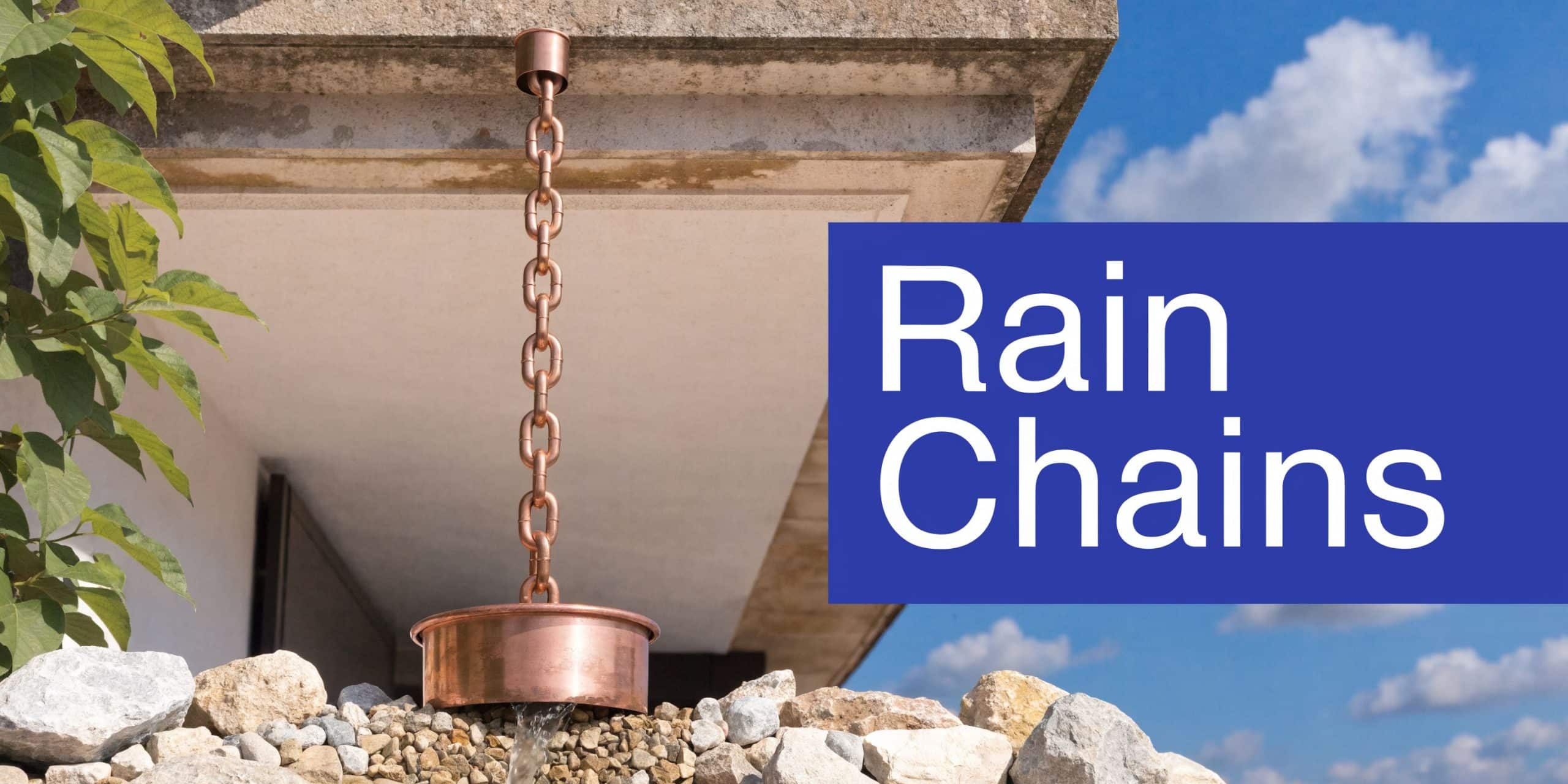
Rain chains are one of the few alternatives to gutters that people choose partly because they want to see the water. Instead of hiding runoff inside a downspout, a rain chain guides it down a visible path. On the right building, that looks great.
They’re popular on custom homes, restaurants, boutique retail spaces, and modern remodels where the drainage detail is part of the design.
What they do well and where they fall short
A rain chain works best when it drops into something intentional. That could be a rock basin, a drain inlet, a dry well connection, or a decorative catch feature tied into site drainage.
They don’t make sense everywhere.
- Best fit: Entry courtyards, visible corners, patio edges, storefront facades.
- Poor fit: Long roof runs with heavy concentrated flow, tight side yards, spots next to bare soil that will erode.
The biggest mistake is treating a rain chain as a decorative swap without fixing what happens at the bottom. If the chain ends over compacted dirt, the runoff starts trenching the soil quickly.
The planning gap is real here. Existing guidance on alternatives indicates rain chains need professional installation to ensure they divert enough water, but there’s still minimal climate-specific performance guidance for Phoenix monsoon conditions or intense UV exposure (Arizona-focused gutter alternatives gap analysis).
Arizona maintenance reality
Copper and metal rain chains hold up better than lightweight materials under hard sun. They still need cleaning. Arizona dust sticks to everything, and mineral residue can build where water runs down the same surfaces.
Rain chains look best when someone maintains them. If they’re dusty, oxidized unevenly, or draining into a messy basin, the feature stops reading as premium.
For commercial properties, I’d pair them with regular glass and facade cleaning so the whole elevation stays sharp. If you want to compare visible drainage with buried drainage, this French Drain Guide gives another angle on subsurface runoff control.
3. Dry Wells
A dry well is useful when you want to get roof runoff off the surface and into the ground without creating a visible drainage feature. Water gets directed to an underground chamber or stone-filled pit and then infiltrates into surrounding soil over time.
That can be a smart move on Arizona properties with focused runoff points and enough room to place the well away from the structure.
Good use cases
Dry wells fit properties where aesthetics matter and surface drainage options are limited:
- Custom homes in Scottsdale: Hidden drainage for roof edges near courtyards or front elevations.
- Commercial sites in Chandler or Gilbert: Runoff collection where owners don’t want extensions crossing sidewalks.
- Desert property projects: Roof water directed toward subsurface infiltration near planting areas, without exposing people to standing water.
The key question is soil behavior. Some lots absorb water quickly. Others don’t. Caliche, compaction, and poor site prep can limit infiltration, which means the well fills but doesn’t recover fast enough for the next storm.
What to watch before you install
Dry wells aren’t “dig a hole and hope” systems. They need sizing, setback from the foundation, and a clear overflow path if a major storm outpaces infiltration.
A few practical rules matter:
- Check the soil first: If the surrounding ground drains poorly, the well may underperform.
- Keep distance from the building: You want infiltration away from the foundation, not next to it.
- Use pretreatment if possible: Roof grit and sediment can shorten the life of the system if water enters dirty.
I like dry wells best as part of a broader drainage plan, not as a standalone fix for every runoff issue. Pair one with grading, rock beds, or a controlled discharge point and it becomes more reliable.
For Arizona homeowners trying to reduce visible hardware on the house, that hidden approach is the appeal. For property managers, the appeal is keeping runoff controlled without adding another highly visible exterior element that needs frequent touch-up.
4. Permeable Pavements and Porous Surfaces
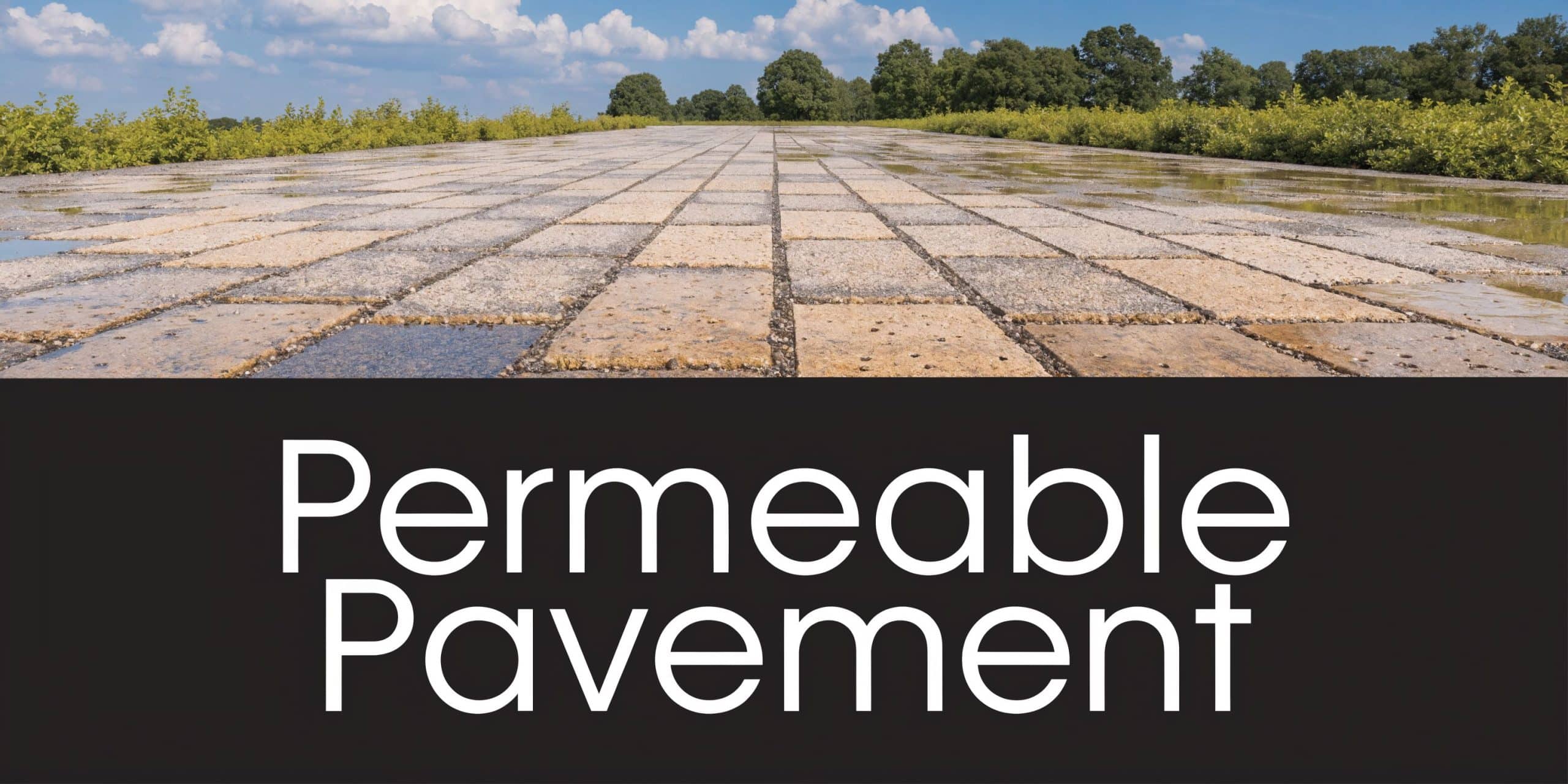
A common Phoenix problem looks like this. Roof runoff hits a patio or driveway, races across hot hardscape, and settles where you least want it, near entries, garage doors, or low spots along the slab. Permeable pavement changes that path by letting water drop through the surface into a stone base below, where it can spread out and soak in more slowly.
That makes it a practical gutter alternative on Arizona properties with a lot of concrete, pavers, or decorative flatwork.
Where permeable surfaces work best
I see the best results in side yards, courtyards, walkways, parking stalls, and patio areas that already collect sheet flow. These surfaces are useful under drip lines or at roof edges where owners want to manage water without adding visible gutter runs.
For desert lots, the appeal is simple. You turn part of the hardscape into a drainage surface instead of treating drainage and paving as two separate jobs.
Industry guidance from the Interlocking Concrete Pavement Institute supports that approach. Properly designed permeable interlocking concrete pavement systems can reduce runoff, improve infiltration, and handle traffic loads when the base, edge restraint, and maintenance plan are done correctly (ICPI permeable interlocking concrete pavement guidance).
The Arizona trade-off
Dust and sediment are the deciding factors.
In the Valley, permeable systems clog faster than many owners expect. Windblown fines, decomposed granite, roof grit, and yard debris work their way into joints and pore spaces. Once that happens, water stops moving through the surface and starts running off it, which defeats the point.
That is why I only recommend permeable paving when the owner is willing to maintain it. Storefronts, restaurant pads, drive lanes, and homes near active construction need more attention than people budget for. If you already have buildup on surrounding flatwork, this guide on the best way to clean concrete driveway gives a good baseline for understanding how surface cleaning affects appearance and drainage performance.
A few site conditions also matter in Arizona. Caliche can limit infiltration. Compacted subgrade can do the same. On some properties, permeable pavement works best with overflow routes, adjacent rock areas, or a collection zone below the base rather than relying on native soil alone.
Done well, permeable pavement gives you drainage control without hanging hardware on the roofline. Done poorly, it becomes expensive decorative paving that still sends water across the property.
5. Green Roofs
A Phoenix owner approves a green roof because it looks smart on paper. By the second summer, the weak spots show up fast. Heat stress thins the planting, irrigation coverage is uneven, and maintenance crews are working around roof access that was never planned well.
That does not mean green roofs are a bad option. It means they are a specialty system, and Arizona is a hard place to get them right.
Performance and practicality
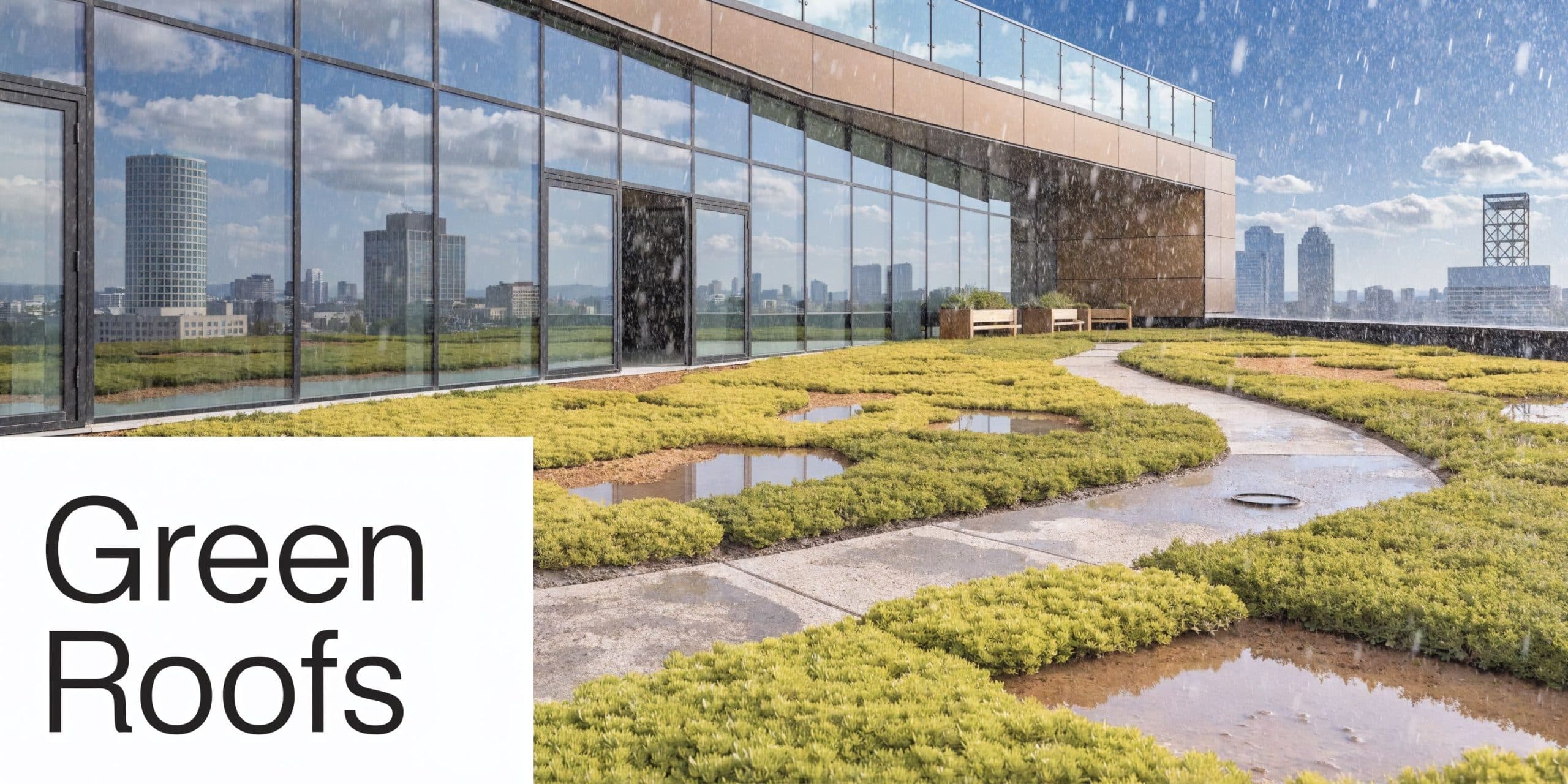
Green roofs hold and slow roof runoff at the surface instead of sending it immediately to an edge discharge point. On the right building, that can reduce peak runoff, soften heat gain, and turn dead roof space into something useful. The U.S. General Services Administration has published guidance showing that green roofs can improve stormwater performance and roof membrane protection when the assembly is designed and maintained correctly (GSA green roofs overview).
In Arizona, the water management benefit has to be weighed against irrigation demand, plant survival, and long-term service access. I would not treat a green roof as a simple gutter replacement on a typical house. It fits better on flat or low-slope commercial roofs, multifamily buildings, and projects that have facility staff or a grounds contractor involved year-round.
Where they fit best in the Valley
The strongest candidates are properties that can support both the installation cost and the ongoing upkeep:
- Downtown office buildings with visible upper floors, tenant amenities, or roof decks
- Mixed-use projects where the roof is part of the design, not hidden utility space
- Multifamily and institutional buildings with maintenance staff, irrigation oversight, and scheduled inspections
- High-end commercial properties where heat reduction, appearance, and stormwater control all matter
They are a tougher sell on small residential roofs, older structures with limited load capacity, and buildings where nobody wants to manage irrigation, drainage mats, plant replacement, or membrane inspections.
Here’s a look at how green roof systems come together in practice.
The Arizona trade-off
Sun exposure is the first hurdle. Dust is the second.
In the Valley, airborne fines settle into planting media, drains, and edge details. Monsoon winds move debris where it does not belong. If roof drains or overflow paths are not kept clear, water can back up in places the system was never meant to hold it. On parapet-heavy buildings, that can also contribute to staining on adjacent walls, and crews may end up dealing with the same kind of growth and residue described in this guide on removing mold from siding and exterior wall surfaces.
The plant palette matters too. A green roof in Seattle and a green roof in Phoenix are not the same product with different branding. Arizona installations need heat-tolerant, shallow-rooted plantings, reliable irrigation zoning, and walk paths that let service crews reach drains, penetrations, and equipment without tearing up the roof.
A green roof needs regular inspection and maintenance. Owners who treat it like a decorative feature end up paying for replanting, drainage corrections, or membrane repairs.
For high-rises and commercial buildings, window cleaning access should be part of the design from the start. Roof edges, anchors, hose routing, and planting layout all affect how safely crews can move and work around the building.
6. Splash Blocks and Drainage Extensions
Not every property needs an engineered system. Sometimes the best move is the simple one. Splash blocks and drainage extensions are basic, inexpensive, and effective when the runoff volume is manageable and the lot slopes away from the structure.
They’re a practical choice for tract homes, rentals, small offices, and buildings where the issue is concentrated discharge at one or two points.
Why simple still works
A splash block spreads water at the discharge point so it doesn’t pound one spot and dig a trench. An extension carries that water farther out before it’s released.
That’s useful, but only if the surrounding grade helps. If water gets dropped onto flat soil next to the house, the system hasn't solved much.
I like this option when:
- The budget is tight
- The property has only a few problem spots
- The owner wants something easy to inspect
- The grade supports runoff moving away
The downside
These aren’t elegant. Extensions can get bumped, disconnected, or become trip hazards if they cross walk paths. Splash blocks can shift over time or fill with silt around the edges. They also don’t solve broad site drainage problems by themselves.
Arizona dust makes maintenance more important than people think. Fine sediment builds up around discharge areas and can redirect water back toward the building if no one clears it out.
If runoff has stained siding or led to surface growth in shaded zones, it’s worth addressing the wall condition too. South Mountain Window Cleaning covers related cleanup issues in its page on remove mold from siding.
For homeowners who just want a low-cost step up from “water dumps off the roof here,” this is still one of the most approachable alternatives to gutters.
7. Roof-to-Site Water Harvesting Systems
Arizona is one of the few places where people think about runoff and water conservation at the same time. That’s why roof-to-site harvesting stands out. Instead of treating rainwater as something to get rid of as fast as possible, this approach directs it toward useful storage or planting zones.
For desert properties with native plantings, that can be a smart design move.
Where this approach shines
This system works best when the property has an exterior plan that can accept water intentionally. That might mean cisterns, distribution basins, planted depressions, or simple routed flow paths that send roof runoff toward trees and drought-tolerant beds.
A few good fits:
- Paradise Valley homes with mature desert plantings
- Scottsdale hospitality properties with designed outdoor spaces
- Office campuses in Chandler that want lower potable irrigation demand
The first challenge is water quality. Roof runoff can carry dust, granules, and debris, so collection systems need screening and overflow planning. If you’re collecting from a roof, keeping that surface cleaner helps. South Mountain Window Cleaning explains service considerations in its page on roof pressure cleaning cost.
What owners need to understand
The current guidance gap is practical. Existing content indicates hybrid approaches are common and effective, but it rarely addresses how these systems interact with routine exterior cleaning, power washing, or solar panel runoff management for the properties that use those services (maintenance integration gap for gutter alternatives).
That matters.
If a building gets regular solar cleaning, roof washing, or facade rinsing, the drainage plan should account for where that water goes. Otherwise a harvesting system can become a muddy collection point or overflow mess.
“Low maintenance” only counts if the drainage design works with your service schedule, not against it.
A good roof-to-exterior design feels almost invisible. Water moves where it should, plants benefit, and no one is fighting erosion after every storm.
8. Bio-swales and Bioretention Areas
A July monsoon can dump a lot of water fast. On the right site, a bio-swale or bioretention area gives that runoff somewhere to slow down, soak in, and drop sediment before it spreads across pavement or stacks up against the building.
These systems are planted drainage areas, but they are not just decorative. A swale guides water through a shallow vegetated channel. A bioretention area holds water in a recessed planted bed with engineered soil that filters runoff as it drains. Research published by the University of Maryland Extension notes that bioretention systems can remove sediment, nutrients, metals, and other pollutants from stormwater while reducing runoff volume (University of Maryland Extension on bioretention for stormwater treatment).
That makes them a practical fit for larger Arizona properties where water needs a defined path after it leaves the roof or hardscape. I see the best results on office campuses, retail sites, schools, multifamily communities, and custom homes with enough yard area to shape grades correctly.
Why they work well on the right property
A well-built bio-swale does two jobs at once. It manages runoff and improves the look of a hard, heat-heavy site.
That second part matters in Arizona.
Parking lots, block walls, and broad concrete walks reflect heat and shed dirty water fast. A planted drainage feature breaks up that hardscape, catches debris before it travels, and can reduce the stripped-out look that many drainage fixes create. For owners who care about curb appeal, that is a significant advantage over plain surface drains and exposed extensions.
The Arizona trade-offs
Desert conditions are hard on these systems if the design stops at the planting plan. Intense sun dries the surface fast. Monsoon storms can dump silt, trash, and rock into the basin in a single event. Fine dust from adjacent pavement also clogs the top layer over time, which slows infiltration.
Maintenance decides whether the system keeps working.
I have seen attractive swales on Phoenix-area commercial properties become shallow dirt troughs because sediment built up at the inlets and no one cleared it out. I have also seen desert-adapted bioretention beds perform for years because the owner treated them like drainage infrastructure, not just landscaping.
A few practices make the difference:
- Keep inflow points open: Water needs a clear entry path, or it will cut a new one.
- Use Arizona-tough plants: Desert-adapted species handle heat better and recover faster after storm runoff.
- Remove monsoon debris: Silt, litter, and gravel left in place will reduce capacity.
- Watch the soil surface: If water starts ponding too long, the top layer may need cleaning or replacement.
Bio-swales and bioretention areas are seldom the best choice for a tight lot or a property with poor grading options. On a site with room to shape drainage correctly, though, they can solve runoff problems in a way that looks intentional and holds up in Arizona conditions.
9. Subsurface Detention and Retention Systems
This is the big-league option. Subsurface detention and retention systems are used on larger commercial sites, multifamily developments, and high-rise properties where surface space is limited but runoff still has to be controlled.
Most residential owners won’t need this. For commercial property managers, though, it can be the difference between a clean site plan and a drainage problem that keeps resurfacing.
What they do best
These systems store water underground. Detention setups hold runoff temporarily and release it at a controlled rate. Retention setups aim to keep water on site for infiltration where soil conditions allow.
That makes them useful for:
- Large developments in Phoenix
- Office parks in Scottsdale
- High-rise or mixed-use projects in downtown areas
- Corporate campuses where visible drainage infrastructure is undesirable
They preserve usable surface area and keep the site looking cleaner than open ponds, channels, or oversized visible drainage features.
The trade-offs are real
This is not a casual install. It takes engineering, access planning, and a maintenance program that survives ownership changes and vendor turnover. In my experience, that’s where some systems get into trouble. The chamber is underground, so people stop thinking about it until an inlet backs up.
The broader gutter industry data points to why owners keep moving toward more durable, lower-maintenance water management components. A Maine study found that 48% of gutter components could not handle a ten-year storm, and 76% failed under a hundred-year storm, with outlet components also showing substantial failure rates under storm testing (Maine historic gutters climate white paper).
That doesn’t prove every underground system is superior. It does reinforce a practical lesson. Exposed edge drainage components can become a weak point under demanding conditions.
For Arizona commercial sites, subsurface systems work best when inlets stay clear, roof and pavement debris are controlled, and annual inspections are treated as routine facility maintenance, not optional cleanup.
9 Alternatives to Gutters: Quick Comparison
| Solution | Implementation complexity | Resource requirements | Expected outcomes | Ideal use cases | Key advantages |
|---|---|---|---|---|---|
| French Drains (Perforated Drain Pipes) | Moderate–high: trenching, grading, professional install often required | Excavation, perforated pipe, gravel, labor, space | Reliable perimeter drainage, reduced foundation seepage, long service life | Properties with pooling runoff, clay/caliche soils, foundation protection needs | Long-lasting, handles surface and subsurface water, low visibility |
| Rain Chains (Decorative Water Guides) | Low: simple attachment to eaves, DIY-friendly | Decorative metal chains, basin or drain below, minimal labor | Visible water guidance, modest drainage in light–moderate rain | Retail/hospitality storefronts, design-focused residences | Affordable, decorative, easy to install and monitor |
| Dry Wells (Underground Absorption Systems) | Moderate: excavation and soil permeability testing recommended | Dry well kit or chamber, gravel, perforated piping, installer | Subsurface infiltration, groundwater recharge, hidden system | Water-conservation planting, properties with permeable soils | Conserves water, moderate cost, unobtrusive |
| Permeable Pavements and Porous Surfaces | Moderate–high: specialized paving and subbase installation | Permeable concrete/asphalt or pavers, underlayment, pro install, maintenance | Eliminates surface runoff, improves recharge, reduces heat island | Parking areas, walkways, commercial drive-thrus | Reduces pooling, sustainability/LEED benefits, aesthetic appeal |
| Green Roofs (Vegetated Roof Systems) | High: structural assessment, waterproofing, complex installation | Waterproof membrane, soil media, plants, irrigation, structural reinforcement | Significant runoff retention, energy savings, improved aesthetics | High-rise commercial, sustainability-focused buildings | Large stormwater retention, energy savings, extended roof life |
| Splash Blocks and Drainage Extensions | Low: simple placement, DIY | Low-cost concrete/plastic blocks or extension tubes, minimal labor | Short-distance redirection of downspout discharge, immediate pooling reduction | Residential homes, rental properties, small commercial sites | Very affordable, easy to install and maintain |
| Roof-to-Site Water Harvesting Systems | Moderate: plumbing integration, filtration and storage | Cisterns/rain barrels, filters, piping, first-flush diverters, pumps | Captures roof runoff for irrigation, reduces municipal water use | Xeriscaping, exterior irrigation for residential/commercial sites | Lowers water bills, supports exterior irrigation, environmental benefits |
| Bio-Swales and Bioretention Areas | Moderate: site grading and engineered soil design | Engineered soils/gravel, native plants, underdrains, design expertise | Filters sediment and pollutants, slows runoff, supports recharge | Office parks, retail centers, building perimeters with outdoor space | Effective filtration, native plant habitat, attractive exterior feature |
| Subsurface Detention & Retention Systems | Very high: engineering, permitting, large-scale excavation | Underground chambers/vaults, heavy equipment, detailed design, ongoing maintenance | High-capacity stormwater storage, controlled release or infiltration | Large commercial developments, high-rise complexes, sites needing hidden capacity | Handles large volumes, invisible at surface, long-term flood control |
Making the Right Choice for Your Property's Protection
The best alternative to gutters depends on the building, the site, and how much maintenance you’re willing to support.
A single-family home in Gilbert with a simple roofline and decent slope might do well with splash blocks, extensions, or a French drain. A custom home in Paradise Valley may benefit more from rain chains tied into a rock basin, a dry well, or a roof-to-site harvesting setup that complements the architecture. A retail center in Tempe or a commercial building in Phoenix may get better long-term performance from permeable hardscape, bio-swales, or a subsurface detention system designed into the site.
That’s why there isn’t one universal winner among alternatives to gutters.
What matters most is fit.
If your main concern is visible maintenance, buried systems make more sense. If curb appeal matters as much as drainage, rain chains and site-integrated systems offer more design value. If you need straightforward function without a major investment, splash blocks and drainage extensions still have a place. If you’re managing a large commercial or high-rise property, engineered subsurface solutions and integrated green infrastructure are worth a serious look.
Arizona adds another layer to every decision. Sun exposure is harsh. Dust is constant. Storms can be infrequent, but when they hit, water can arrive fast. That combination punishes neglected systems. It also exposes weak installations fast.
The recurring pattern across all nine options is simple. Maintenance still matters.
Permeable pavers need to stay open. Dry wells need clean inflow. Bio-swales need sediment control. Rain chains need periodic cleaning if you want them to stay attractive. Harvesting systems need debris management at collection points. Even the most basic splash block works better when the surrounding area is clean and the runoff path hasn’t filled with dirt.
That’s where exterior maintenance and drainage planning overlap more than people expect. On Arizona properties, roof grit, stucco dust, palm debris, and hard-water residue don’t stay in one place. They migrate. They wash into basins, settle on hardscape, stain walls, and clog the very systems that are supposed to protect the property.
For homeowners, that means routine house washing, concrete cleaning, and roof-edge cleanup can directly support drainage performance. For commercial property managers, regular power washing and facade maintenance can help protect not just appearance, but the function of the site’s water-control features.
South Mountain Window Cleaning serves Phoenix, Scottsdale, Paradise Valley, Chandler, Tempe, Gilbert, and surrounding Valley communities with the kinds of exterior services that complement modern drainage design. Clean windows improve the finish of a property. Clean hardscape, building exteriors, and service areas help water move where it should. On high-rise and commercial properties, having a professional team that understands both appearance and maintenance logistics makes a big difference.
If you’re weighing alternatives to gutters, start with a site-specific view. Watch where water falls. Notice where dirt accumulates. Look for staining, erosion, ponding, and splash-back. Those clues point you toward the right system faster than a generic recommendation ever will.
Then keep that system clean enough to do its job.
If you want help keeping your property looking sharp while supporting the drainage system you choose, contact South Mountain Window Cleaning, LLC for a fast, free quote. From residential window cleaning and house washing to commercial power washing and high-rise exterior service, the team helps Valley properties stay clean, protected, and ready for Arizona weather.