
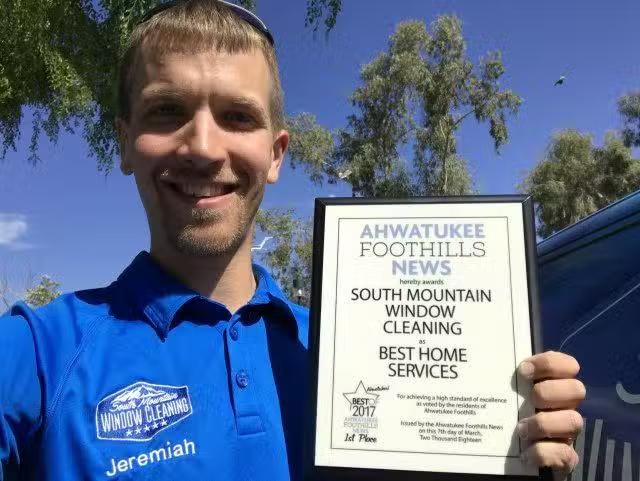
If you want a quick head start on cleaning your window tracks, here's a pro tip from South Mountain Window Cleaning: always start dry. Grab your vacuum and get all that loose dust and grit out first. Then, take a stiff brush to whatever is caked on before you even think about introducing water. Trust us, this simple dry-then-wet approach is the key to avoiding a muddy nightmare, especially with our fine Arizona dust.
Why Clean Window Tracks Are an Arizona Essential

Here in Arizona, from Phoenix to Paradise Valley, keeping a home clean feels like a constant battle against the desert. As a premier window cleaning company, we've seen it all. Homeowners focus on having sparkling window panes, but it’s the forgotten channels at the bottom—the tracks—that are silently losing the war. Letting them go is more than just a cosmetic issue; it’s basically rolling out the welcome mat for problems.
Dirty window tracks aren't just unsightly. They become the final resting place for all the sand, dust, and pollen our climate throws at us. As that gunk builds up, it creates friction, turning the simple act of opening a window into a workout. That grinding sound you hear isn't just annoying; it's the sound of your window's moving parts screaming for help.
The Impact of Dirty Window Tracks in Arizona
It's easy to overlook something as small as a window track, but in our dusty environment, the consequences add up quickly. Here’s a quick breakdown of what’s really going on when those tracks are neglected, something our team at South Mountain Window Cleaning sees daily.
| Problem Area | Impact of Dirty Tracks | Benefit of Clean Tracks |
|---|---|---|
| Air Quality | Trapped dust, pollen, and pollutants get kicked into the air every time you open a window. | Fewer airborne irritants, helping to reduce allergens in your home. |
| Window Function | Debris causes friction, straining rollers and mechanisms, leading to premature failure. | Windows glide smoothly, preventing unnecessary wear and tear on expensive parts. |
| Energy Bills | Gunk prevents a tight seal, allowing cool air to leak out and hot air to seep in. | A proper seal keeps your cooled air inside, reducing the load on your AC unit. |
As you can see, what starts as a little dust can lead to bigger headaches, affecting everything from your health to your wallet.
The Hidden Costs of Neglected Tracks
That grime collecting in your window tracks has a real impact on your home's health and your budget. Every time you slide a window open, you’re stirring up a cocktail of trapped allergens and sending them right into your living space.
Worse yet, all that buildup can compromise your window’s seal. Even tiny gaps are enough to let your expensive, air-conditioned air escape while the brutal desert heat sneaks in. Your AC unit has to work that much harder, and you'll see the proof on your summer utility bills. The consequences are pretty clear:
- Poor Indoor Air Quality: Built-up dust and pollen get recirculated through your home, making allergy season a year-round event.
- Window Damage: That gritty debris acts like sandpaper, causing premature wear on rollers, frames, and seals.
- Reduced Energy Efficiency: Bad seals mean higher cooling bills, a major pain point for anyone in the Valley.
Protecting Your Home From The Arizona Climate
Our unique Arizona climate—with its fine dust and powerful monsoon seasons—makes track maintenance absolutely critical. The mix of dry, airborne dirt and sudden, heavy rain creates a thick, almost cement-like sludge that’s a real beast to remove once it hardens.
Letting this go can cause serious long-term damage. In fact, a 2026 industry survey projected that 65% of residential properties in desert climates will experience significant track degradation within just five years if they skip regular professional maintenance. This kind of damage often requires expensive repairs, far beyond what a simple DIY job can fix.
By figuring out the best time of year to clean your windows, you can get on a schedule that prevents this severe buildup from ever happening. For homeowners across Scottsdale, Chandler, and Tempe, regular track cleaning isn't just a chore—it’s a non-negotiable part of protecting your home investment.
Building Your Ultimate Track Cleaning Toolkit
Before you even think about scrubbing, let’s talk tools. As professional window washers, we know that showing up to clean window tracks without the right gear is a recipe for frustration. It’s the difference between a quick, satisfying job and an afternoon spent making a bigger mess.
Your game plan will shift depending on whether you're doing a quick seasonal touch-up or tackling years of buildup. The good news? You probably have most of what you need already. But for that truly professional finish, especially with the kind of dust we get here in Tempe and Paradise Valley, a couple of extra items make all the difference.
The Basics for a Quick Clean
For most routine cleaning jobs, you can get fantastic results with a few household staples. This is your go-to kit for keeping things looking sharp.
- Vacuum with a Crevice Tool: Your vacuum is your best friend here. It pulls up all the loose sand, dead bugs, and mystery debris before you introduce any liquid. This is the secret to avoiding a gritty, muddy paste.
- Microfiber Cloths: You’ll want a few of these. They’re super absorbent and perfect for wiping up the dissolved grime and getting the track bone-dry when you’re done.
- An Old Toothbrush or Grout Brush: The firm bristles are perfect for getting into the nooks and crannies to loosen up dirt that the vacuum can’t grab on its own.
- Spray Bottle with Cleaning Solution: Forget fancy chemicals for now. A simple 50/50 mix of white vinegar and water works wonders. It's a great degreaser and is safe for almost any track material.
With just these four items, you can successfully tackle about 80% of window track problems. They are the foundation of a job well done.
The biggest mistake homeowners make is trying to wet-clean a track full of dry debris. Always start by vacuuming. This single step will save you from creating a gritty, paste-like sludge that is ten times harder to remove.
Upgrading to Pro-Level Gear
When you’re staring down years of neglect or that hard, caked-on mess left behind after an Arizona monsoon, it's time to bring out the heavy-duty equipment. These are the tools we at South Mountain Window Cleaning reach for when the job gets tough.
Specialized Track Brushes: These are a real game-changer. They’re built with stiff, narrow bristles designed to fit perfectly into the tight channels of sliding glass doors and window tracks.
Handheld Steamer: For that truly stubborn, hardened gunk, nothing beats a steamer. The hot steam melts away grime without any harsh chemicals, making it incredibly easy to just wipe away. A word of caution: test it on a small, hidden spot first and never use it on freezing-cold glass, as the sudden temperature change could cause a crack.
Plastic Putty Knife: This is a fantastic pro-level hack. Wrap a microfiber cloth around the end of a plastic putty knife, and you have the perfect tool for scraping out packed-in dirt from sharp corners without scratching the track’s finish.
Of course, the tools are only half the story. The right cleaning solution matters, too. While our vinegar mix is a great all-rounder, some jobs might call for something different. You might come across info on products like ammonia window cleaner, but we find it's rarely necessary for tracks.
If you’re curious about what else is in our truck, our experienced team can answer any questions. Having the right kit on hand means you’re ready for whatever the desert dust throws your way.
A Practical Guide to Flawlessly Clean Tracks
Alright, you've got your tools ready, so let's get down to business. Learning how to clean window tracks isn't about brute force; it's about following a smart, phased approach. We're going to walk you through the same method our pros use all over Phoenix and Scottsdale. We’ll break it down into three simple stages: getting the dry stuff out, dissolving the stuck-on grime, and then adding the final polish for a super-smooth glide.
This isn't some frustrating, mud-making chore. When you do it right, it's actually pretty satisfying. The trick is to work with all that Arizona dust, not against it.
This visual shows the three main steps we follow, starting with the most important one: the dry-out.

The single biggest takeaway here is the order of operations. You absolutely must get all the loose dirt out before a single drop of liquid touches that track.
First: Get Rid of All the Dry Debris
Especially here in the Valley, you can't skip this step. The number one mistake we see homeowners make is trying to wet-clean a track that’s full of loose sand, dust, and dead bugs. You’ll just end up with a thick, gritty sludge that’s ten times harder to clean.
Start with your vacuum cleaner and its crevice tool attachment. Run it along the entire track, paying close attention to the corners where all that gunk loves to collect. Take your time here. The more you get out now, the less you'll have to scrub later.
Once you've vacuumed, it's time to break up the really stubborn, compacted dirt.
- Grab a Stiff Brush: An old toothbrush or a small, dedicated track brush is perfect for this.
- Scrub Away: Really work the bristles into every nook and cranny to loosen up anything that's caked on.
- Vacuum One More Time: After brushing, do another quick pass with the vacuum to suck up all the debris you just broke free.
By the end of this, your track should be totally clear of loose particles. Now, and only now, are you ready to add a cleaning solution.
Second: Dissolve and Wipe Away the Grime
With the loose mess gone, it’s time to tackle the sticky, oily grime that’s left. For the vinyl and aluminum tracks common in homes from Gilbert to Tempe, a simple, safe solution is all you need.
Just mix equal parts white vinegar and water in a spray bottle. Vinegar is a great natural degreaser that will cut right through the buildup without harming the track's finish. If you’re dealing with extra-tough spots, a few drops of dish soap will give it an extra cleaning punch.
Lightly mist the solution directly into the track. Don’t soak it—just a light spray is plenty to start breaking down the remaining dirt. Let it sit for a few minutes and do its thing.
You'll see the grime start to loosen up. Now, it's time for a little elbow grease.
Pro Tip: For those super-tight corners where a brush won't fit, wrap a microfiber cloth around the tip of a plastic putty knife or even a flathead screwdriver. This gives you a custom tool that can get into sharp angles without scratching the surface.
Use your brush again to gently scrub the moistened dirt. It should lift away with very little effort. Then, take a clean, dry microfiber cloth and wipe out all the gunk and extra moisture. For really dirty tracks, you might need to do this a couple of times.
Third: Dry and Lubricate for a Smooth Finish
This last stage is what ensures your hard work actually lasts. Leaving any moisture behind is a big mistake; it will attract new dust and can even lead to mildew, especially after our monsoon season. Take a fresh, dry microfiber cloth and wipe the entire track down until it's completely dry to the touch.
A clean track is nice, but one that glides open without any effort is even better. This is where a little lubrication comes in. Don't use oily lubricants like WD-40. They are dust magnets and will create a sticky black mess within a few weeks.
The right tool for the job is a dry silicone spray. This type of lubricant leaves behind a slick, dry film that actually repels dirt and moisture, keeping your windows sliding smoothly for months.
- Hold the can a few inches away from the track.
- Spray a light, even coat along the entire channel.
- Slide the window back and forth a few times to spread the lubricant evenly.
This final step is what separates a decent cleaning job from a professional one. It’s also surprisingly important for a healthy home. Believe it or not, a single inch of window track can harbor over 10,000 bacteria colonies after just six months, and that number can jump 75% higher in sunny Arizona where UV exposure can accelerate mold. These cleaning steps can eliminate 98% of those microbes.
And since you have all your cleaning gear out anyway, it’s the perfect time to tackle the rest of the window. For a truly complete job, check out our guide on how to clean window screens effectively.
Handling Tough Track Problems Like a Pro
Even with the best cleaning routine, some track issues need a bit more muscle. Here in Arizona, especially from Chandler to Gilbert, we see it all at South Mountain Window Cleaning. Metal tracks can get those ugly rust spots, and our monsoon humidity is a welcome mat for mildew in those dark corners. And then there's the stubborn, caked-on grime that seems fused to the track itself.
Don't let it intimidate you. These are common problems, and for every problem, there's a pro-level solution that you can handle safely at home. We'll walk you through how to tackle these tough spots and get your windows sliding smoothly without causing any damage.
Erasing Rust Spots from Metal Tracks
Finding rust on your metal window tracks is concerning, but it’s usually just a surface issue you can fix without much fuss. The real secret is to avoid harsh, abrasive scrubbing. That will just scratch the metal and can make the problem worse in the long run. Instead, let's mix up a simple, effective paste.
First, grab some baking soda and mix it with just a little water. You're looking for a thick paste consistency, almost like toothpaste. Dab this paste directly onto the rust spots using an old toothbrush or a small cloth.
Now, let it sit for 15-20 minutes. This gives the paste time to work its magic and gently break down the rust. Once the time is up, use that toothbrush to scrub the area in small, circular motions. You should see the rust start to lift right off.
Finally, wipe the track clean with a damp microfiber cloth to get all the paste and rust residue out. This next part is critical: dry the track completely with a separate, dry cloth. Any leftover moisture is just an invitation for new rust to form. This method is much safer for your tracks than a lot of commercial rust removers that can contain harsh acids.
Safely Removing Mold and Mildew
That combination of trapped moisture and summer humidity, especially during our monsoon season, creates a perfect home for mold and mildew in your window tracks. It’s not just ugly; it can be bad for your home’s air quality.
Your best friend for this fight is a simple distilled white vinegar solution. It’s a natural disinfectant that knocks out over 80% of mold species.
Just mix equal parts white vinegar and water in a spray bottle. Lightly spray the affected areas—no need to drench the track—and let the solution sit for about 10 minutes. This gives it time to kill the mold spores at the root.
Then, use a toothbrush or a small grout brush to scrub the mildew away. You’re not just removing the visible spots, but the microscopic spores too. Wipe it all clean with a damp cloth. And just like with rust, the final step is the most important: dry the track thoroughly. Use a dry microfiber cloth to soak up every last drop of moisture so the mold doesn't come right back.
When you're dealing with mold, it's always a good idea to wear gloves and make sure the room is well-ventilated. Pop open another window or turn on a fan. It’s a simple step to keep from breathing in any airborne spores.
Defeating Years of Caked-On Grime
So, what about that grime that feels like it’s become one with the track? That cement-like gunk, a special blend of Arizona dust and moisture, often just laughs at regular scrubbing. When you're up against this level of buildup, a handheld steamer is an absolute game-changer.
The high-temperature steam melts and loosens years of hardened dirt and gunk without any need for harsh chemicals or wearing out your elbows.
How to Use a Steamer on Tracks:
- Always test a spot first. Find an inconspicuous area of the track and hit it with the steam to make sure it doesn’t cause any damage, especially on older vinyl.
- Steam and wipe as you go. Hold the steamer nozzle a few inches from the track and move it slowly along the grime. You’ll see the buildup soften and liquefy almost instantly.
- Work in small sections. Steam a few inches, then immediately follow with a clean microfiber cloth to wipe up the loosened debris before it has a chance to settle back in.
A steamer can turn what would have been a frustrating hour of scrubbing into a satisfying ten-minute task. It’s an incredible tool for bringing tracks back from the brink. And while you’re tackling that tough buildup, you might find our guide on how to remove hard water stains from windows useful for other stubborn window problems.
Keeping Your Window Tracks Clean Year-Round

So you've put in the elbow grease and your window tracks are finally sparkling. Now for the real challenge: how do you keep them that way? Here in Arizona, we all know the fight against dust is a daily one. The secret isn't one massive deep clean, but a little bit of smart, consistent upkeep.
This approach makes your next big clean a breeze. Honestly, a few minutes of care here and there protects your windows and keeps them gliding smoothly for years. It’s how you maintain that just-cleaned feeling without the marathon scrubbing session.
A Smart Maintenance Schedule for the Arizona Climate
Living in the Valley means dealing with a unique environment. You can't just clean your tracks and forget about them, not with haboobs and monsoon season on the calendar. A good maintenance plan is all about doing a little work at the right time.
Quick Wipe-Downs After Dust Events:
- After a big dust storm rolls through, don't let that fine layer of grit settle in. Grab your vacuum and use the crevice tool for a quick pass on the tracks. It takes less than a minute per window and it’s the best thing you can do to stop buildup before it starts.
- When a monsoon rain passes, check your tracks for any trapped water. That moisture is what turns dust into that stubborn, caked-on sludge. A quick wipe with a dry microfiber cloth is all it takes to prevent it.
Think of these simple actions as your first line of defense. They get ahead of the problem, keeping your tracks clear with almost no effort.
The Professional Secret for Smooth Operation
Here’s a tip we absolutely swear by at South Mountain Window Cleaning, and it’s a total game-changer. It helps repel dirt and keeps that satisfying, smooth glide every time you open a window.
Twice a year, we recommend applying a dry silicone spray to your clean tracks. A good time is in the spring before the summer heat hits, and again in the fall after the monsoon season. Unlike oily stuff like WD-40 which actually attracts our fine Arizona dust, a dry silicone spray creates a slick, invisible barrier that dirt and grime can’t stick to.
Just spray a light, even coat inside the track and slide the window back and forth a few times to spread it. That simple two-minute job will help your windows operate like new and seriously cut down on how much gunk builds up over the next six months.
The True Value of Consistent Upkeep
This little bit of time pays off big. Besides just having windows that are easier to open, regular maintenance is a smart way to protect your home and your wallet. It's surprising, but research has shown that dirty window tracks can actually drive up home cooling costs by as much as 15% in a hot climate like ours.
This kind of preventative care also helps keep pests out, which are a problem in an estimated 28% of neglected homes in the Valley. In bigger buildings, it can even cut HVAC filter replacement costs by 50% because airflow stays much cleaner. You can see more of these surprising impacts in studies on window care and home efficiency. By staying ahead of the dust, you’re not just cleaning—you’re protecting your home's value and comfort.
When to Call the Experts at South Mountain Window Cleaning
While we want to empower you with the right techniques for DIY track cleaning, there are definitely times when it’s smarter and safer to call in a pro. Knowing when to hand over the job is key to protecting your windows and ensuring you get a truly professional result. Some situations just call for the kind of equipment, safety gear, and efficiency that only comes with doing this work every single day.
For our customers across Phoenix, Scottsdale, and the rest of the Valley, recognizing these limits is crucial. A job that seems simple can quickly turn into a costly mistake if it’s too high, too widespread, or involves unexpected damage.
High-Rise and Hard-to-Reach Windows
Here’s a simple rule of thumb from our team: if cleaning your window tracks requires more than a small, stable step stool, it’s time to call us. Your safety is always the number one priority.
- Multi-Story Homes: Tackling second-story windows means getting on a ladder, and that always comes with a risk of falls, especially when you’re leaning to scrub stubborn grime.
- High-Rise Buildings: For commercial properties or condos in areas like Downtown Phoenix, you can't just lean out a window. These high-rise window washing jobs require specialized rigging and strict safety protocols that we are trained and equipped to handle.
- Complex or Awkward Windows: Some architectural windows have unique designs that make them a real challenge to access without potentially damaging the frame or glass.
Our technicians have the training, insurance, and professional-grade safety gear to manage these jobs securely. It gives you complete peace of mind.
Passing a high-risk job to a licensed and insured team is the best call a property owner can make. We carry a $2 million insurance policy and have earned over 400 five-star reviews, so you know your property is in safe hands.
Extensive Corrosion or Damage
Sometimes you start cleaning and find that the problem is a lot more than just dirt and dust. If you uncover serious rust, corrosion, or what looks like damage to the window frame itself, it’s best to pause and get a professional opinion.
Trying to scrape or scrub away heavy corrosion can easily make things worse, potentially leading to a full, expensive window replacement. Our team knows how to assess the damage, use the right tools—like our pure-water systems—to clean gently, and advise you on the next steps. We have the experience to restore tracks without causing more harm.
For large commercial properties in places like Chandler, Tempe, or Gilbert, time is money. When you’re dealing with hundreds of windows, the hours it takes for a deep track cleaning really add up. Our crew can knock out the project in a fraction of the time it would take an in-house team, minimizing any disruption to your business or tenants. We show up with the right equipment and a skilled team to get it done right the first time.
Frequently Asked Questions About Window Track Cleaning
We've walked through the whole process of getting those window tracks looking brand new. But after years of serving homeowners across Arizona, our team at South Mountain Window Cleaning knows there are always a few specific questions that pop up.
Here are the answers to the questions we hear most often from folks in Phoenix, Scottsdale, and all over the Valley.
How Often Should I Clean My Window Tracks in Arizona?
Living in our dusty climate means a little more upkeep. For a really deep clean, we recommend tackling your tracks at least twice a year. A great routine is once in the spring before it gets too hot, and again in the fall right after the monsoon season wraps up.
That said, a quick pass with a vacuum or a damp cloth after a big dust storm can make a world of difference. It keeps the heavy buildup at bay and makes those biannual deep cleans a whole lot easier.
Can I Use WD-40 to Lubricate My Window Tracks?
This is a big one we hear all the time, and our answer is always a firm "no." We strongly advise against using WD-40 or any other oil-based lubricant on your window tracks. They are absolute magnets for our fine Arizona dust, and before you know it, you've got a thick, gummy sludge that's worse than what you started with.
The pro-choice is a dry silicone spray. It provides all the lubrication you need for a smooth glide, but it dries completely. You're left with a slick, invisible surface that actually helps repel new dirt instead of trapping it.
What Is the Safest Cleaner for My Vinyl Window Tracks?
You don't need anything fancy or harsh for most vinyl tracks. A simple solution of equal parts white vinegar and water is usually all it takes to cut right through the everyday grime without risking any damage or discoloration to the vinyl.
If you run into some stubborn, greasy gunk, just add a few drops of a gentle dish soap to your vinegar-water mix for a little extra cleaning muscle. The most important thing is to avoid abrasive cleaners or scouring pads, as they can easily leave permanent scratches on the track's finish.
My Windows Are High Up. How Can I Clean Those Tracks Safely?
When it comes to any window that requires a ladder, especially second-story windows or higher, our professional advice is always the same: call in a pro. Juggling cleaning tools while trying to balance on a ladder is a serious safety hazard.
It's just not worth the risk. Our technicians at South Mountain Window Cleaning have the safety training, specialized equipment, and full insurance to handle high and hard-to-reach windows. We can get the job done perfectly without any risk to our crew or your home.
When the job is too high, the grime is too tough, or you just want that perfect, professional finish, the experts at South Mountain Window Cleaning are ready to help. We serve residential, commercial, and high-rise properties across Phoenix, Scottsdale, and the entire Valley, bringing the right tools and expertise for any job. Schedule your free, no-obligation quote online today!