
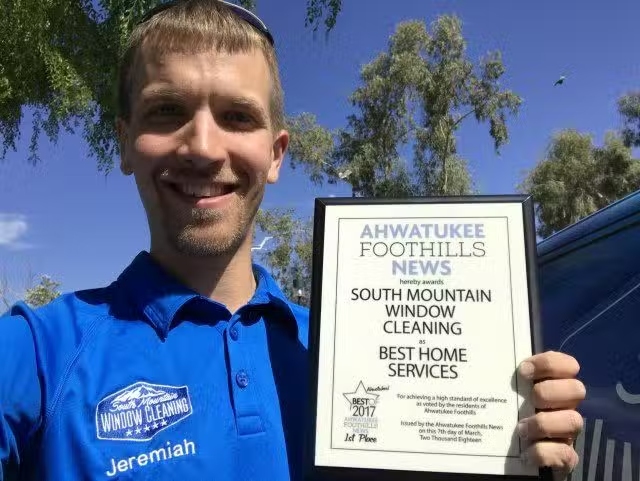
Figuring out how to clean a stucco house safely boils down to two key things: using a gentle cleaning solution and applying it with low pressure. Blasting your walls with a high-pressure jet is a recipe for damage, but a professional soft wash approach can lift away years of dirt without harming your home's exterior. At South Mountain Window Cleaning, we've perfected this technique for homes across the Phoenix metro area.
Why Cleaning Stucco in Arizona Is Different

Let's be honest—the Arizona climate is exceptionally tough on our homes. Stucco houses across Phoenix, Scottsdale, and Paradise Valley face a unique battle that goes way beyond typical dirt and grime. We've got that intense, year-round sun and the seasonal monsoon dust storms, which combine to create a baked-on layer of grit that’s a real pain to remove.
This isn't just about looks, either. That caked-on dust and debris can trap moisture, especially during our sudden downpours. Before you know it, you’ve got ugly stains and even mildew growing in shaded spots. Over time, all that buildup can actually make your stucco finish age faster, leaving it brittle and prone to cracking.
The Problem with High Pressure
Many homeowners think the answer is to rent a powerful pressure washer and just blast the dirt away. Unfortunately, this is one of the worst things you can do to stucco. High-pressure water can easily etch the delicate finish, force water into tiny, unseen cracks, and even knock off whole chunks of stucco. That’s a fast track to some expensive repairs.
The professional secret isn't more power; it's a smarter technique. We call it "soft washing." This method relies on a specialized, low-pressure application (under 500 PSI) of a cleaning solution to do the real work. It gently dissolves the dirt, dust, and organic stains without putting your home's exterior at risk.
The Impact of Neglect on Arizona Stucco
In a sun-baked region like ours, where dust storms can coat everything from Chandler to Gilbert, that fine layer of grit can shorten your stucco's lifespan by up to 30% if you let it sit. Most experts recommend that stucco homes here in the Valley get cleaned twice a year—once in the spring and again in the fall—to wash away all that accumulated dirt and pollen.
In fact, studies show that 85% of stucco damage in arid zones comes from this unchecked buildup. Homes that get cleaned biannually show 40% fewer hairline cracks after just five years. Of course, a clean exterior also gives your curb appeal a massive boost, making it a critical item on any preparing your house for sale checklist.
Understanding these local challenges is the first step. The next few sections will get into the nitty-gritty of the best techniques specifically for stucco.
Prepping Your Home for a Safe and Easy Wash
Before you even think about mixing up your cleaning solution, a little prep work is the secret ingredient to a successful stucco cleaning. It’s like a painter taping off the trim—it feels tedious, but it’s what separates a professional-looking job from a weekend of headaches. Taking a few minutes now can save you from zapping an electrical outlet, ruining your rose bushes, or creating an even bigger mess.
This isn’t just busywork. It’s about protecting your home and making the entire process go smoothly. At South Mountain Window Cleaning, we handle all of this prep work for you, ensuring a seamless and safe service.
Gathering Your Essential Tools
You don't need a garage that looks like a professional cleaning supply warehouse, but having the right gear is non-negotiable. Using the wrong tools is the fastest way to damage your stucco, and that’s a repair bill nobody wants.
Here’s a quick rundown of what you’ll actually need:
- An Adjustable Pressure Washer: This is the star of the show. The key is finding one where you can dial the pressure way down. For stucco, you want to stay below 500 PSI. Anything more is asking for trouble.
- The Right Nozzle Tips: Stick with the green (25-degree) and white (40-degree) tips. The white is your go-to for gentle rinsing, and the green can give you a little more oomph on tough spots, but only from a safe distance. Stay far away from the red (0-degree) or yellow (15-degree) tips. They’re way too aggressive and will chew up your stucco in a heartbeat.
- A Good Old Garden Hose: You’ll need this for soaking your plants beforehand and for the final, gentle rinse-down.
- Basic Safety Gear: Don't skip this. Goggles, a good pair of gloves, and shoes with solid grip are a must. You’ll be working with cleaning agents on wet, slippery surfaces.
Once you have your gear laid out, it's time to get your house ready.
Securing the Perimeter
Your house is more than just stucco walls. You’ve got windows, doors, light fixtures, and landscaping to think about. A quick walk-around is all it takes to make sure everything is protected.
The single most important safety step is dealing with the electricity. Water and power are a terrible mix. Go to your breaker box and shut off the power to all exterior outlets, light fixtures, and anything else outdoors. It’s a simple flick of a switch that could prevent a serious accident.
With the power off, grab some waterproof tape. Go around and cover up every single electrical outlet, your doorbell, and any security keypads. You want a good seal to keep moisture out. If you have older windows that might leak, it’s not a bad idea to lay a few old towels on the inside sills, just in case.
Finally, show your plants some love. Give any shrubs, flowers, or garden beds right up against the house a deep watering. Then, cover them loosely with lightweight plastic sheeting. The wet soil and the plastic barrier will shield them from any cleaning solution runoff. While you're at it, a well-maintained exterior includes clean gutters; you can learn more about how to clean your gutters safely in our dedicated guide.
Before you start spraying, run through this quick checklist. It's a simple way to make sure you've covered all your bases for a safe and effective cleaning day.
Stucco Cleaning Safety and Prep Checklist
| Preparation Step | Reason | Pro Tip from South Mountain |
|---|---|---|
| Shut Off Exterior Power | Prevents electrical shorts and serious shock hazards. | Double-check that all outdoor lights and outlets are off. Don't just assume—test them. |
| Cover Electrical Fixtures | Keeps water out of outlets, doorbells, and keypads. | Use high-quality waterproof tape for a secure seal that won't leave a sticky residue. |
| Inspect and Secure Windows/Doors | Prevents water from seeping inside your home. | For older windows, place towels on the interior sills as a backup to catch any stray drips. |
| Water and Cover Landscaping | Protects plants from chemical runoff and overspray. | Soaking the soil first helps dilute any solution that might seep through the plastic covering. |
| Clear the Area | Removes trip hazards like toys, furniture, and hoses. | A clear workspace is a safe workspace. Move everything at least 15-20 feet away. |
| Wear Protective Gear | Shields your eyes, skin, and prevents slips. | Non-slip, waterproof boots are your best friend on a project like this. |
Taking these prep steps seriously sets you up for success. With your home prepped and protected, you’re ready to tackle the cleaning itself.
Mastering the Gentle Art of Soft Washing
Alright, with your house prepped and protected, it's time for the main event. The real secret to getting a pro-level clean without damaging your stucco is a technique called soft washing. This isn't about blasting away dirt with brute force—that's a rookie mistake that can push water into hidden cracks and cause some serious, permanent damage.
Instead, soft washing is a gentle, three-part process that lets a specialized cleaning solution do all the heavy lifting. We'll walk you through the proper pre-rinse, the right way to apply the cleaner, and the final, crucial rinse.
The Gentle Power of Low Pressure
The goal here is to clean, not to strip. High-pressure washing is one of the biggest mistakes you can make on stucco. Sure, the instant gratification is tempting, but the data doesn't lie. Research shows that pressure washing can cause damage in 65% of cases when the pressure goes over 1,500 PSI. This can etch the surface and speed up erosion by 25% in just a couple of years.
Here in Arizona's Valley, our homes bake under more than 3,800 sunny hours a year. With over 90% of homes having stucco, that intense UV exposure means a gentler approach isn't just better; it's essential. Tests have proven that an annual soft wash can get rid of up to 95% of common grime like mildew and algae, all without harming the stucco itself.
This quick visual guide breaks down the simple but critical prep work you should have just finished.

These three steps—killing the power, covering plants, and sealing outlets—are the foundation for a safe and effective cleaning day.
Phase One: The Pre-Rinse
Before a single drop of soap touches the wall, you need to give the area you're about to clean a light pre-rinse with just plain water. Grab a wide-angle nozzle (the 40-degree white tip is perfect for this) and make sure your pressure washer is dialed way down—keep it well under 500 PSI.
This does two very important things:
- It cools down the stucco surface, which is a big deal on a warm Arizona day. If you apply cleaner to a hot wall, it can flash-dry, leaving ugly streaks and residue behind.
- It saturates the porous stucco just enough so it doesn't instantly drink up your cleaning solution. This keeps the cleaner on the surface where it can actually work on the dirt, instead of just vanishing into the wall.
Phase Two: Applying the Cleaning Solution
Now it's time to get your stucco-safe cleaning solution on the wall. You'll want to switch to the black, low-pressure soap nozzle on your pressure washer. This tip is designed to pull the cleaner from its tank and apply it gently.
Work in manageable sections, maybe 10×10 feet at a time. This is key to preventing the solution from drying out before you can rinse it. Always apply the cleaner starting from the bottom and working your way up.
Why start at the bottom? It's a pro trick to prevent "clean streaks." If you spray from the top down, the cleaner will run down the dirty, dry wall, essentially pre-cleaning lines into the surface. Trust me, those lines are a nightmare to get rid of later.
Let the solution sit on the wall and do its thing for about 5-10 minutes. You'll actually see the dirt and grime start to loosen and break down. Whatever you do, don't let it dry! If you see it starting to, just give it a light mist of either more solution or plain water to keep it active.
Phase Three: The Final Rinse
This is the most satisfying part of the whole job. Switch back to a wide-angle rinsing nozzle (the white 40-degree or green 25-degree tip will work great) and, once again, check that your pressure is low.
When you rinse, you're going to reverse the application process: rinse from the top down. This lets gravity be your friend, flushing all the soap and loosened gunk down and away from the fresh, clean surface. Start at the top of your section and work your way down.
- Be thorough. You want to get every last bit of cleaning solution off the wall.
- Overlap your rinsing passes so you don't leave any sudsy spots behind.
- Give a little extra attention to rinsing around windows, door frames, and trim pieces.
This gentle-but-effective method is the core of what we professionals do every day. If you want to dive a bit deeper into the science behind it, you can learn more about what soft wash house cleaning is and why it's become the gold standard for delicate surfaces like stucco. Once you get this process down, you'll know exactly how to clean your stucco home for a flawless finish, every single time.
Solving Common Arizona Stucco Stains

General dirt and dust are one thing, but those specific, stubborn stains are a whole different ballgame. If you're an Arizona homeowner, you know stucco doesn't just get dirty—it collects a unique portfolio of blemishes, from rusty streaks under a spigot to chalky white patches on a shaded wall.
Figuring out how to clean these stucco stains makes you a bit of a detective. You have to identify the culprit first, then bring in the right treatment. Just blasting every stain with the same generic cleaner is a recipe for frustration and, worse, potential damage. Each stain has its own story and requires a specific approach.
Consider this your go-to troubleshooting guide for the most common stains we see on homes from Phoenix to Gilbert.
Tackling Green and Black Mildew Growth
Even in our sunny climate, the shady, damp spots on a property can become prime real estate for mold and mildew. You'll typically find these ugly green or black patches on the north-facing side of your house, tucked behind dense bushes, or anywhere you've got a consistent drip from an AC unit.
These organic stains aren't just ugly; they can slowly eat away at your stucco finish if left unchecked.
To get rid of mildew, you need a solution that actually kills the growth. A simple mix of one part household bleach to three parts water is a classic for a reason—it works. If you prefer, a commercial mildew remover designed for exteriors will do the job, too.
Apply your solution with a pump sprayer to the affected area. Let it dwell for 10-15 minutes, making sure it doesn't dry out on the surface. You should literally see the stain start to fade. Finish by gently scrubbing with a soft-bristle brush and rinsing thoroughly with low pressure, always working from the top down.
Eliminating White and Powdery Efflorescence
Ever notice a chalky, white residue on your stucco that looks like it's been dusted with flour? That's efflorescence. It happens when water moves through the stucco, dissolves natural mineral salts inside, and then deposits them on the surface as it evaporates.
While it's not actually harming anything, it can definitely be an eyesore.
Since efflorescence is a mineral deposit, regular detergents won't touch it. Your best bet is a mild acid. A simple mix of one part white vinegar to five parts water is a great, safe place to start.
Spray the vinegar solution on, let it sit for a few minutes, and then use a stiff nylon brush to scrub the deposits and break them up. Once you're done scrubbing, rinse the wall completely with clean water. For really stubborn patches, you might need to repeat the process.
A Quick Word on Mud Daubers
Beyond typical stains, Arizona homes are a favorite spot for mud daubers—wasps that build hard, dirt-like nests on walls. While not dangerous, these nests get baked onto the stucco in the sun and leave behind stubborn brown stains when you knock them off. A gentle soft wash is the perfect way to dissolve these nests and the stains they leave behind without damaging your paint or stucco.
Removing Stubborn Orange Rust Streaks
Those distinct orange or reddish-brown streaks are almost always caused by rust. To find the source, just look directly above the stain. The usual suspects are a leaky gutter, a metal window frame, an HVAC overflow pipe, or even a single rusty nail head.
Here’s the thing: unless you fix the source, that stain is just going to keep coming back.
For the stain itself, commercial rust removers containing oxalic acid are your most effective weapon. Follow the manufacturer's directions to the letter, as these can be powerful chemicals. And always, always test the product on a small, hidden spot first to make sure it doesn't discolor your stucco.
Apply the rust remover, let it do its thing for the specified time, and then rinse it away completely. Sometimes, even after treating a stain, it takes a professional touch for a flawless finish. You can learn more about our approach to professional stucco power washing services for those really deep-set issues.
To make diagnosing your stucco stains a little easier, here's a quick reference guide.
Stain Identification and Treatment Guide for Stucco
This simple table can help you quickly identify what you're dealing with and choose the right method to get rid of it.
| Stain Type | Appearance | Recommended Cleaning Solution | Application Method |
|---|---|---|---|
| Mildew/Mold | Green, black, or gray patches, often in damp, shady areas. | 1 part bleach to 3 parts water or a commercial mildew cleaner. | Spray on, let dwell for 10-15 mins, lightly scrub, and rinse thoroughly. |
| Efflorescence | White, chalky, or crystalline powder on the surface. | 1 part white vinegar to 5 parts water. | Spray on, scrub with a stiff brush to dissolve salts, and rinse completely. |
| Rust | Orange or reddish-brown streaks, typically below metal fixtures. | Commercial rust remover (often containing oxalic acid). | Apply product as directed, let sit, and rinse well. Fix the source! |
| Mud Dauber Stains | Hard, caked-on mud nests that leave brown, earthy stains. | General stucco cleaner or soft wash detergent. | Wet the nests, allow the water to soften them, then gently scrape and rinse. |
With the right identification and a little elbow grease, you can tackle most common stucco stains and keep your home's exterior looking its best.
Protecting Your Stucco After the Wash
Getting your stucco sparkling clean is a fantastic feeling, but the job isn't quite done. The real win is keeping it that way for as long as possible. The period right after a thorough wash is the perfect time to give your home's exterior a good, hard look and set up a simple plan to protect your hard work.
Once the walls are completely dry, take a slow walk around your property. You’ll be amazed at what you can see now that all the dirt and grime are gone. This is your best chance to spot minor issues that were previously hidden—think tiny hairline cracks, small chips, or spots where the texture has worn away. Catching these problems now saves you from much bigger, more expensive headaches down the road.
Performing a Post-Wash Inspection
Your freshly cleaned stucco is basically a blank canvas, making it easy to see its true condition. Look closely for any imperfections, paying extra attention to corners, around window and door frames, and near the foundation.
You’re really on the lookout for two kinds of issues:
- Minor Fixes: This includes hairline cracks (less than 1/8 inch wide), small chips from flying debris, or minor blistering. These are usually just cosmetic and are perfect for a weekend DIY project.
- Major Concerns: Keep an eye out for long, spiderwebbing cracks, large chunks of missing stucco, or soft, crumbling spots. These can signal deeper structural or moisture problems that really need a professional’s opinion.
Most small-scale damage is well within a homeowner's ability to fix. A small tub of pre-mixed stucco patch and a putty knife are often all you need to fill in those tiny cracks and chips, protecting the underlying structure from moisture intrusion.
Proactive Maintenance for Lasting Results
After you've done your inspection and any necessary touch-ups, the game shifts to long-term care. A few simple adjustments can make a huge difference in how long your clean stucco lasts, especially in the sunny, dusty climate we have across Paradise Valley and Chandler. These proactive steps are all about minimizing your stucco’s exposure to its biggest enemies: constant moisture and dirt buildup.
Here are a few professional tips for keeping that clean look longer:
- Adjust Your Sprinklers: This is one of the biggest and easiest fixes. Make sure your sprinkler heads are aimed at your lawn and garden beds, not your house. Constant spraying on your stucco walls is a perfect recipe for mildew and mineral stains.
- Trim Back Landscaping: Bushes, vines, and tree branches touching your house trap moisture against the stucco and block airflow. Trim everything back to create at least 12-18 inches of breathing room between the foliage and your walls.
- Maintain Your Gutters: Clogged gutters are a primary cause of water damage. When they overflow, water streams down your stucco walls, leaving behind ugly stains and encouraging mildew to grow.
- Fix Leaks Immediately: That dripping outdoor faucet or leaky AC condensation line might seem small, but it can create a stubborn rust or mineral stain. Tackling these small leaks right away stops unsightly streaks from ever forming.
After your stucco is sparkling clean and protected, you might even think about refreshing its look entirely. You can learn more about how to paint stucco exterior effectively for a completely renewed facade. By combining a good cleaning regimen with these simple maintenance habits, you can protect your investment and keep your Arizona home looking its best for years to come.
When Is It Time to Call a Professional?
Taking on a DIY stucco cleaning project can be incredibly satisfying, but it's just as important to know when to put down the tools and call in the pros. Recognizing your limits isn't admitting defeat; it’s the smartest thing you can do to protect your home’s value and your own safety. Some jobs just aren’t cut out for a weekend warrior, requiring specialized gear, know-how, and the right insurance.
Before you start, give the job an honest look. If you're staring up at a two-story home, the risks go way up. Trying to juggle a pressure washer while perched on a tall ladder is a disaster waiting to happen. Same goes for those stubborn, deep-set stains. If you’ve already tried cleaning those ugly rust streaks or mineral deposits and they’re not budging, it’s a clear sign you need something stronger than what you can buy at the local hardware store.
Telltale Signs You Need Expert Help
Sometimes, the writing is literally on the wall. If your initial inspection turns up more than just dirt and grime, it’s time to pump the brakes. Visible damage is a major red flag that needs an expert eye, not a pressure washer.
Be on the lookout for these clear warning signs:
- Big Cracks or Obvious Damage: If you see long, spiderwebbing cracks, chunks of stucco missing, or spots that feel soft or crumble when you touch them, stop right there. Hitting these areas with water—even at low pressure—can force moisture behind the stucco. That's how you get major water damage and a massive repair bill.
- Stubborn, Deep-Set Stains: You've tried all the DIY tricks for efflorescence or mildew, but the stains are laughing at you. Professionals have access to powerful, targeted cleaning solutions that can safely dissolve years of buildup without damaging your stucco finish.
- Real Safety Concerns: Any job that involves a high ladder, working near power lines, or standing on a steep or slippery roof is best left to a team with proper safety training and equipment. It’s simply not worth the risk to your health.
The South Mountain Advantage in Arizona
This is exactly where a professional team like South Mountain Window Cleaning makes all the difference. We bring a lot more to the table than just the right equipment. Our team offers a level of expertise and security that a DIY project can't touch, especially for homes here in Phoenix, Scottsdale, and across the Valley.
Our technicians aren't just trained to clean; they're trained to inspect. We spot potential problem areas before we start, making sure our soft wash process protects your home's exterior from start to finish.
When you bring us in, you're not just getting a clean house. You're getting the peace of mind that comes with comprehensive insurance coverage and fully bonded technicians. You're getting a proven process we've perfected by cleaning hundreds of homes from Tempe to Paradise Valley. We understand the unique challenges the Arizona climate throws at our homes, and we know how to deliver a perfect, lasting clean without risking your home's integrity.
Our track record, backed by over 400 five-star reviews, really says it all. We're committed to quality work and happy customers. We know exactly how to wash a stucco house to bring back its curb appeal safely and effectively, so you can just relax and enjoy your beautiful home without the hassle or the risk.
Ready to see what a professional clean can do for your home's exterior? The team at South Mountain Window Cleaning provides safe, effective, and fully insured house washing services across Phoenix, Scottsdale, Chandler, and the entire Valley. Schedule your free, no-obligation quote online today!