

A brown exterior can look perfect on the sample board and wrong on the house by the first hot afternoon. In Arizona, strong sun pulls out undertones fast, wind leaves a film of dust on every horizontal surface, and hard water marks can make crisp trim lines look tired long before the paint fails.
That is why brown exterior house colors need to be chosen with maintenance in mind, not just style. Some browns stay steady in full light. Some turn flat on broad stucco walls. Some do a decent job hiding everyday dust, while others show every streak under rooflines, around window frames, and below irrigation overspray.
I see this on homes across Scottsdale, Chandler, Gilbert, Tempe, and Paradise Valley. The paint color gets the attention first, but curb appeal usually drops because the finish is dirty, the glass is dusty, or the lighter accents pick up runoff. Homeowners often blame the color when buildup is the problem.
Brown remains a strong fit for Arizona homes because it connects well with stone, tile roofs, desert planting, and the warmer light we get most of the year. The trade-off is that darker browns can absorb more heat on large exposed walls, and lighter brown blends can lose definition if the trim and windows are not kept clean. A good color choice has to hold up visually between service visits.
This guide focuses on both sides of the decision: how each brown palette looks, and how it performs in real conditions. If you want the finish to keep its contrast and depth, regular house exterior cleaning service for Arizona homes makes a visible difference. For added paint-selection guidance before you commit, this article on how to choose exterior paint colors for your property is a useful starting point.
1. Warm Chocolate Brown with Cream Trim
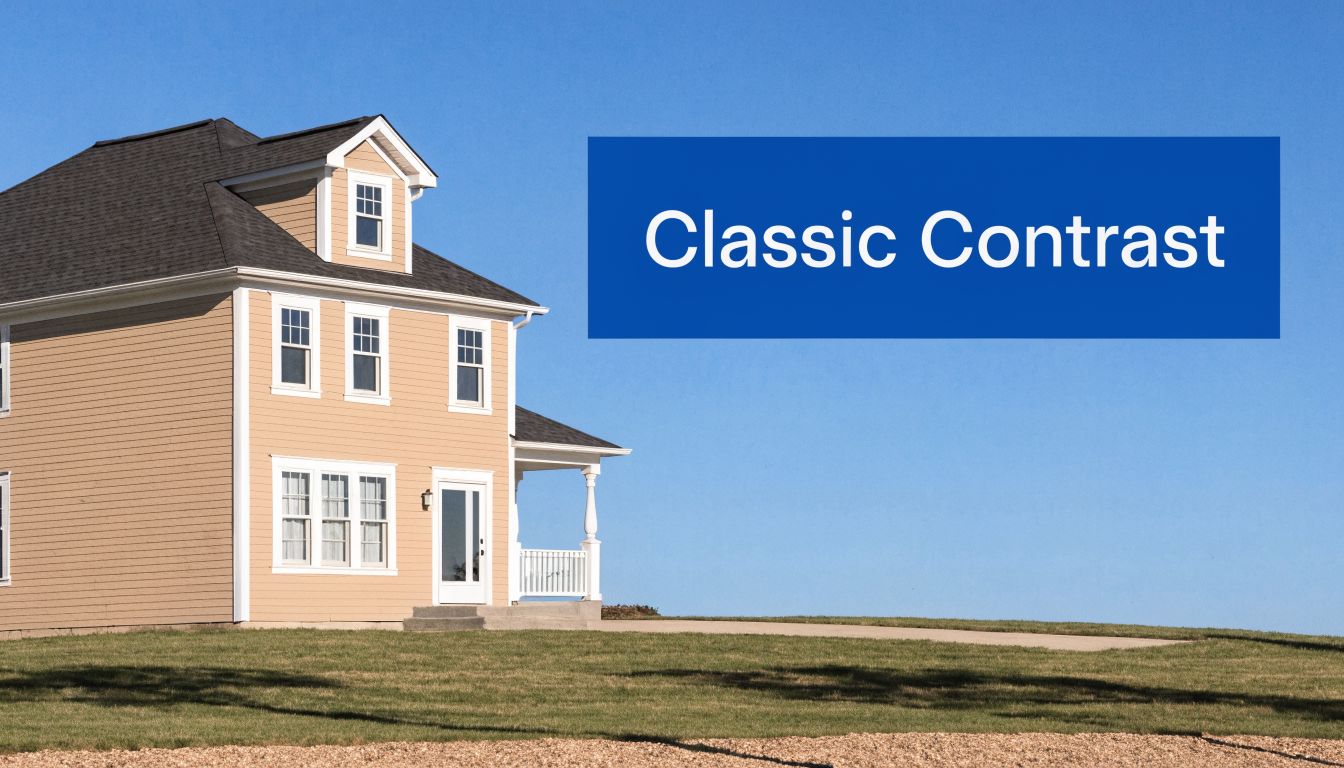
Late afternoon in Arizona is when this scheme proves itself. A warm chocolate body color can still look full and grounded under hard sun, while cream trim keeps the lines of the house readable from the street. On stucco, lap siding, and shingle accents, it gives you a classic look that does not feel washed out by desert light.
In Chandler and Paradise Valley, I see this combination work best on Mediterranean, ranch, and transitional homes with good rooflines and clean trim details. It also suits larger buildings that need a polished appearance without the stark contrast of black-and-white palettes.
Why this pairing works in Arizona
Warm chocolate has a practical advantage here. It hides the light, constant layer of airborne dust better than many lighter paint colors, especially on broad stucco walls. Cream trim creates the contrast that keeps the home from looking heavy.
That contrast is also the maintenance pressure point.
Cream trim shows runoff below eaves, splash marks near hose bibs, and dust buildup around window frames much faster than the brown body color shows dirt. Once those lighter edges lose definition, the whole exterior starts to look tired, even when the paint itself is still in good shape. Homeowners often blame the color choice first. In the field, the underlying problem is usually buildup on the trim, frames, and glass.
Practical rule: Choose cream trim only if you plan to keep the contrast lines clean.
Brown has stayed popular for a reason. It fits desert stone, tile roofs, and warmer landscaping better than cooler paint families, and it usually ages more naturally in Arizona neighborhoods than trend-driven dark exteriors.
What to watch out for
A few trade-offs matter with this palette:
- Avoid ultra-dark chocolate on large west-facing walls: deeper tones can absorb more heat and show uneven fading sooner.
- Watch the trim finish: cream surfaces can turn chalky or stained if they are not washed and sealed on a regular schedule.
- Keep windows and screens clean: dirty glass dulls the cream accents and makes the brown read flatter than it should.
For homeowners who want this color scheme to keep its depth and sharp contrast, regular house exterior cleaning service for Arizona homes helps the finish look intentional instead of dusty. On warm chocolate and cream, clean stucco, bright trim, and clear glass are what preserve curb appeal.
2. Taupe and Tan Monochromatic Blend
If warm chocolate is the classic choice, taupe and tan is the quiet professional. This is one of the best brown exterior house colors for newer Arizona developments because it gives you depth without hard contrast. Instead of one dominant brown, you’re layering related tones so the house looks finished even in severe afternoon light.
This blend works well in Gilbert subdivisions, Scottsdale retail centers, and Phoenix office parks where the architecture is clean and the landscaping is restrained. It also pairs naturally with desert gravel, stone veneer, and warm concrete.
Where monochromatic schemes succeed
A monochromatic brown palette needs texture or it falls flat. Smooth stucco, matte paint, stone banding, wood-look garage doors, and dark bronze window frames help separate one tone from the next. Without those elements, everything can blur together.
The upside is maintenance. Browns and tans have a reputation for being practical because they conceal everyday dust and minor imperfections better than stark light exteriors. In Arizona, that matters because homes and buildings collect a constant film of windblown soil.
A subtle trick that works well is placing the deeper taupe on lower sections and the lighter tan on upper walls or recessed planes. That keeps the structure from looking too blocky and helps the building feel more settled into the lot.
The maintenance trade-off
This palette hides dirt well, but it can also hide neglect for too long. By the time an owner notices grime, the finish often looks dull instead of obviously dirty. That’s common on homes where the walls seem “fine” but the windows, frames, and sill edges are carrying dust streaks.
Use a simple maintenance standard:
- Choose clear undertones: Taupe with muddy pink or purple notes can look wrong in Arizona sun.
- Use matte or satin thoughtfully: Too much sheen creates glare. Too little can hold dust visually.
- Clean the windows regularly: Neutral walls need crisp glass so the house doesn’t read flat.
Brown and tan don’t demand attention. They reward consistency.
For owners who want a calm, expensive-looking exterior without dramatic contrast, taupe and tan is one of the easiest brown exterior house colors to live with.
3. Deep Espresso with Charcoal Accents
Deep espresso with charcoal accents is the boldest scheme here, and it’s not forgiving. When it’s done well, it looks modern, expensive, and sharp on mixed-use buildings, contemporary homes, restaurants, and professional offices. When it’s done poorly, it can make a building feel smaller, hotter, and visually heavy.
That risk gets bigger in Arizona. Dark brown exteriors on larger buildings need planning, not just confidence.
Best use cases for dark brown
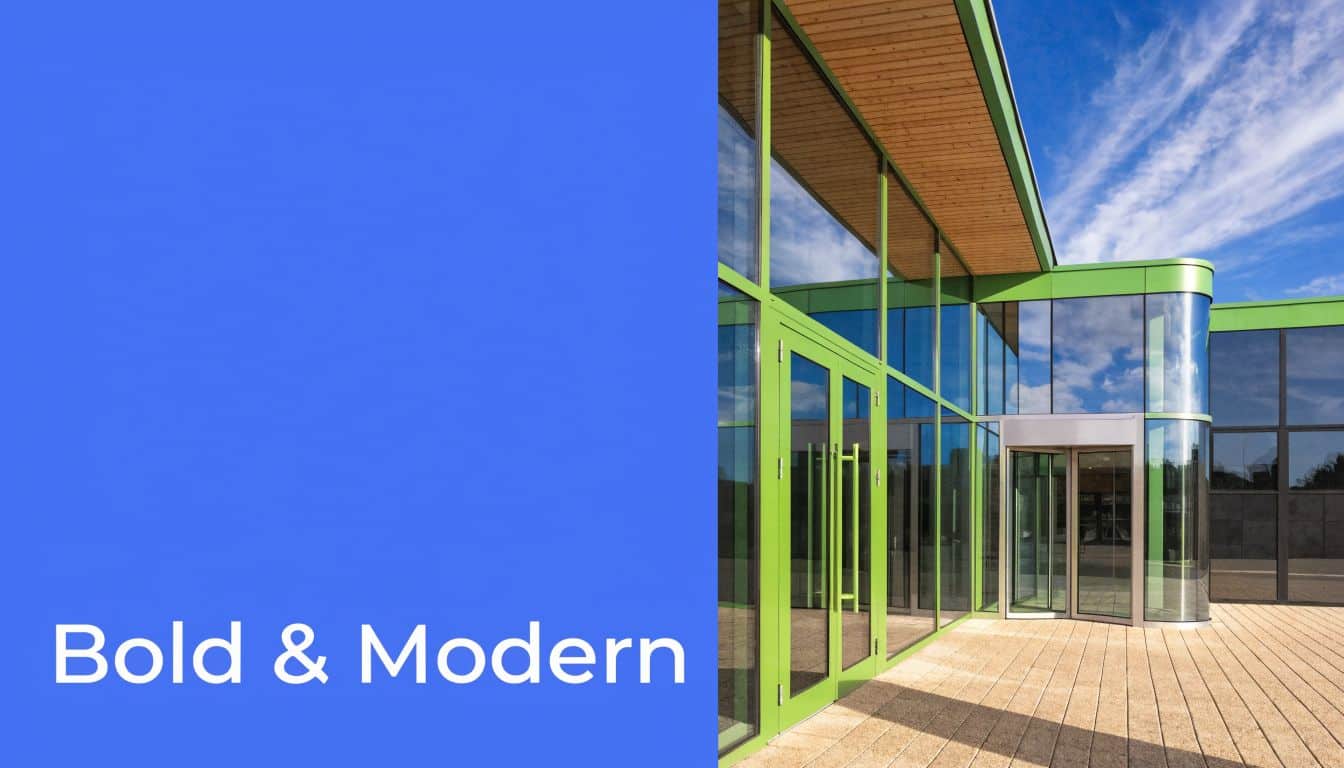
This combination fits best on modern properties with plenty of glass, metal, shade structures, or material variation. A downtown Phoenix commercial building can carry espresso and charcoal if the facade includes reflective glazing, setbacks, awnings, or lighter hardscape around it.
It is less forgiving on broad, uninterrupted walls. That’s where dark colors start to miniaturize the structure and intensify heat gain.
A recent trade discussion on dark brown exteriors notes that dark surfaces can run hotter and that newer IR-reflective brown coatings are being positioned as a mitigation strategy for commercial properties, according to guidance on brown exterior paint challenges. That doesn’t mean every dark brown is a bad idea. It means dark brown needs balance.
What works and what doesn’t
Use espresso on the main field only if the building has enough visual breaks. Charcoal belongs on trim, metal details, entries, or architectural edges. If you use both tones across the full facade, the building can lose separation and just read dark.
For commercial properties, maintenance is the deciding factor. Dark brown hides soil for a while, but once grime, soot, or hard-water residue builds up around windows and ledges, the finish starts looking tired. That’s especially noticeable on storefront glass and entry systems.
- Works well: Espresso body with lighter paving, shaded entries, and bright glass.
- Usually fails: Espresso on every plane with little trim contrast or no texture.
- Needs routine care: Dark schemes show mineral runoff around windows faster than many owners expect.
On dark exteriors, clean glass isn’t a finishing touch. It’s part of the color scheme.
If you want this look on a retail or office property, schedule cleaning around visibility, not just dirt complaints. Espresso and charcoal can be excellent brown exterior house colors, but only when the building is maintained like a premium facade.
4. Honey Brown with Golden Undertones
Honey brown is one of the friendliest colors on this list. It picks up Arizona light beautifully, especially in the morning and late afternoon, and it gives stucco homes a welcoming warmth that doesn’t feel too dark or too yellow. On ranch homes, Southwestern properties, and hospitality-style entries, it often looks better in person than it does on a swatch.
That said, this color is all about undertone discipline. If the golden base is too strong, it can drift toward orange in direct sun. If it’s too muted, it can lose the warmth that makes it special.
Why homeowners like it
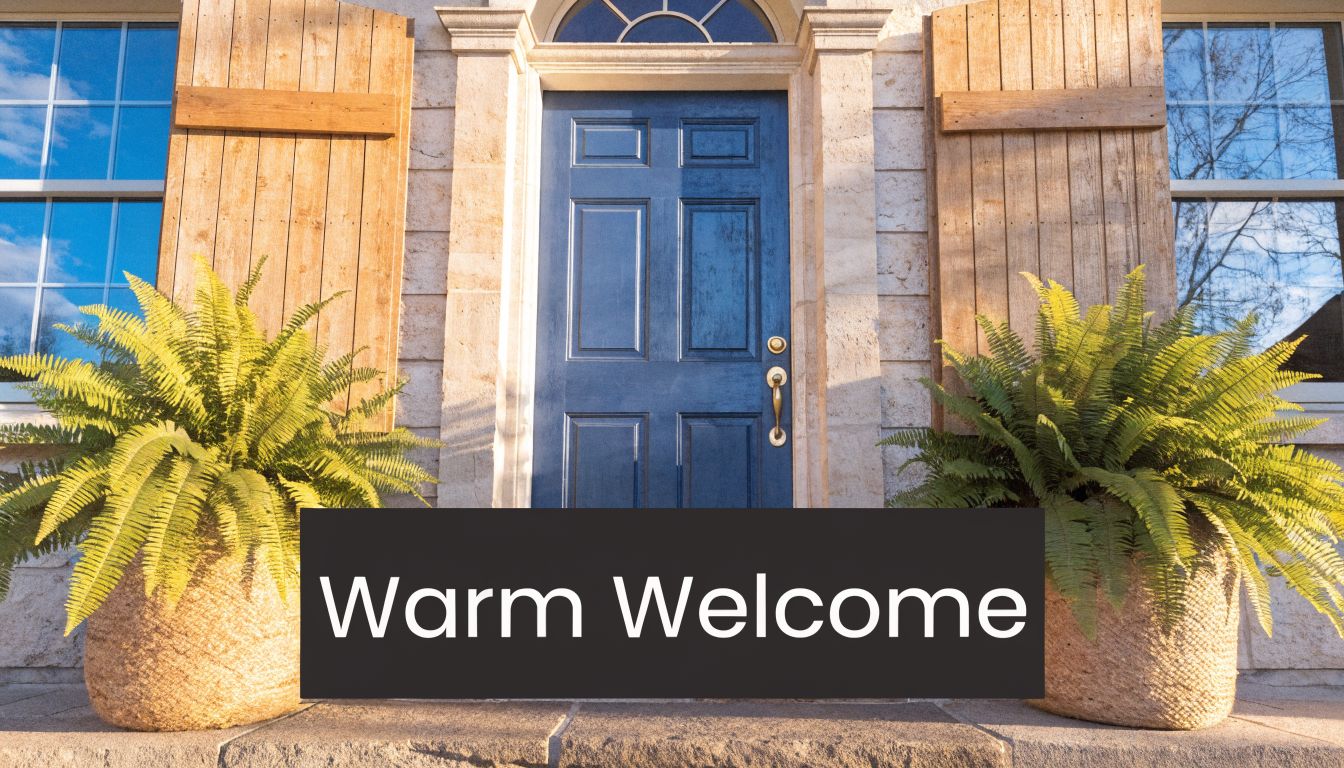
Honey brown pairs naturally with clay tile roofs, cream stone, warm white trim, and terracotta planters. It feels established without looking old. In Paradise Valley and Scottsdale, it also complements upscale desert landscaping better than cooler grays often do.
This is one of those brown exterior house colors that benefits from clean reflective surfaces around it. When windows are dusty, the house can read muted. When the glass is clear, the warmth looks intentional.
If you’re improving presentation before listing photos or seasonal entertaining, this kind of palette responds well to a full exterior refresh. Clean windows, washed entry paving, and bright trim make the color look richer. South Mountain’s tips on how to improve curb appeal line up well with this kind of warm palette.
Keep golden tones from turning dull
Arizona dust changes how warm browns read over time. Fine dust can sit on the surface and flatten the golden quality that made you choose the color in the first place. Light browns are especially vulnerable to looking hazy instead of warm if they aren’t washed consistently.
A practical routine helps:
- Test large swatches outside: Honey tones can shift dramatically from morning to afternoon.
- Pair with warm accents: Cream, soft white, terracotta, and bronze usually help.
- Clean before the color looks dirty: Warm paints often look dull before they look obviously soiled.
A quick visual example can help as you think through the mood and finish:
Honey brown is at its best when it still looks sunlit, not dusty. That’s the maintenance line to watch.
5. Cool Mocha with Gray Undertones
Cool mocha is for homeowners who like brown but don’t want the house to feel overly warm. It sits between brown and gray, which makes it a smart choice for contemporary Arizona architecture with metal, glass, concrete, and simple landscaping.
This color is useful on office buildings and newer residential elevations because it softens the starkness of plain gray while staying more restrained than caramel or sienna. It also works well with cool whites, brushed metal fixtures, and black-framed windows.
Why undertones matter so much
Cool mocha changes more than people expect across the day. Morning light can pull the gray forward. Late-day sun can warm it up and reveal more brown. That’s why this color needs to be tested in multiple conditions before paint goes on the whole house.
The good news is that cooler browns tend to feel cleaner visually when paired with the right trim and hardscape. The challenge is that dirty glass and dusty ledges can kill that effect fast. On this palette, any haze on windows makes the whole exterior look flat.
Cooler browns need sharp edges. If the windows, sills, and trim are dusty, the color loses its modern look.
Best pairings and practical advice
A few combinations consistently work:
- Cool white trim: Helps pull out the gray side without making the facade feel cold.
- Concrete and steel details: Reinforce the clean, current look.
- Minimal landscaping clutter: Busy plantings can fight the restraint of this color.
Avoid pairing cool mocha with strongly yellow stone or orange-heavy roofing unless you’ve tested the full combination outside. That mix can make the paint look confused.
Among brown exterior house colors, cool mocha is one of the most versatile for owners who want neutrality without going standard beige. It looks current, but it doesn’t rely on trendy contrast to do the work.
6. Weathered Barn Brown with Rustic Character
Weathered barn brown works when the property already has some story to tell. It suits farmhouse-inspired homes, ranch properties, rustic venues, and houses with wood, stone, or textured siding that look better with depth and patina than with a slick fresh finish.
This isn’t the same as neglected brown. The goal is controlled character. That distinction matters a lot in Arizona, where actual weathering can get ahead of intentional weathering if you don’t clean and protect the surface.
Rustic only works when it stays believable
On a property in Chandler or on the rural edges of Gilbert, weathered barn brown can look right at home with timber details, steel lighting, natural stone, and matte finishes. On a stucco tract home with shiny trim and synthetic texture, it can look forced.
The maintenance challenge with rustic finishes is dust loading. Textured surfaces catch more fine soil. Once that buildup settles into pores and recesses, the color can turn from “weathered” to dirty.
That’s especially important on cedar accents, exposed beams, and wood-look siding. If those materials aren’t cleaned properly, the finish loses distinction and the architectural texture gets buried.
How to preserve character without letting it deteriorate
Good rustic design needs restraint and routine:
- Use real texture where possible: Stone, wood, and matte metal age better than faux-rustic trim packages.
- Avoid shiny finishes: Gloss fights the whole point of this palette.
- Clean with the material in mind: Aggressive washing can damage wood fibers or drive water where it shouldn’t go.
For homes with wood cladding or cedar details, proper maintenance matters as much as color selection. This guide to cedar siding maintenance is worth reviewing before you commit to a weathered brown scheme.
Weathered barn brown can be one of the most attractive brown exterior house colors in Arizona, but only if the finish still looks intentional after the dust season.
7. Rich Cognac Brown with Copper Accents
Rich cognac brown is the luxury version of brown. It has more depth than caramel, more warmth than mocha, and more polish than rustic barn tones. Add copper or bronze accents and the whole exterior starts to feel curated.
This palette fits high-end Scottsdale homes, boutique hospitality properties, premium retail, and office buildings that want warmth instead of corporate gray. It also works well on front doors, awnings, lighting, and metal details where the brown body color needs a little energy.
Where this palette earns its keep
Cognac brown looks best when the materials around it are high quality. Bronze hardware, copper-toned fixtures, stained wood, and clear glass all make the color feel richer. Cheap metallic finishes do the opposite. They can make the house look theme-driven instead of refined.
This is also one of the more demanding brown exterior house colors from a maintenance standpoint. Metal accents show water spots, oxidized residue, and dust buildup around fasteners. The brown paint itself may stay presentable, but the details can drag down the whole facade.
Maintenance is part of the luxury look
For commercial buildings and luxury residences, the finish standard needs to stay consistent across materials. Owners often focus on polishing metal or touching up paint, but they overlook washed siding and streak-free windows. On a cognac-and-copper exterior, dirty glass is a major visual break.
A solid maintenance approach usually includes:
- Premium coatings: This isn’t the palette to cut corners on paint quality.
- Thoughtful metal placement: Use copper or bronze where it can be seen, but not where runoff will constantly mark adjacent surfaces.
- Routine exterior washing: Especially around entrances, lighting, and decorative trim.
If your goal is a premium finish that still reads clean in Arizona’s dust, review the best way to clean house exterior before setting a maintenance schedule. Cognac brown has great presence, but it needs upkeep that matches the look.
8. Soft Caramel Brown with Ivory Undertones
Soft caramel brown is approachable. It feels lighter, friendlier, and less formal than deeper browns, which makes it a strong fit for family neighborhoods, restaurants, small hospitality properties, and homes that want warmth without drama.
It also has one practical advantage in Arizona. Earth tones and warm neutrals are often chosen because they blend naturally with their surroundings and tend to look less stark under hard sun than plain white.
Why this one is easy to live with
Caramel with ivory undertones can soften boxy architecture and make a home feel more welcoming from the street. It pairs well with white trim, natural wood, muted stone, and terra cotta elements without becoming too busy.
For homeowners in Chandler, Gilbert, and Tempe, it’s often a smart middle-ground color. It’s clearly brown, but it doesn’t feel dark or heavy.
One broader market note supports the appeal of brown in general. A housing analysis found that darker brown homes sold for a premium over lighter counterparts across a very large set of U.S. listings, according to market analysis on brown home exteriors. That doesn’t mean every caramel home automatically sells better. It does suggest brown remains a strong resale category when the execution is right.
The main risk with soft browns
Soft caramel can drift into washed-out territory if the undertone is too pale or if the surface stays dusty too long. That’s the main trade-off. The color is easygoing, but it needs enough contrast around doors, windows, rooflines, or shutters to stay defined.
A few practical choices help:
- Use a clean trim color: Ivory-on-ivory can get sleepy. Some contrast helps.
- Watch landscaping tones: Rust, terracotta, and green usually support caramel well.
- Wash gently but consistently: You want to preserve the softness, not blast it into a patchy look.
For homeowners who want warmth without the weight of darker brown exterior house colors, soft caramel is one of the safest choices on the list.
9. Burnt Sienna with Terracotta Accents
Burnt sienna with terracotta accents is the most regionally grounded option here. It belongs in Arizona. On Spanish Colonial, Southwestern ranch, and adobe-inspired homes, it connects the building to its surroundings in a way cooler neutrals usually can’t.
This palette also respects the long tradition of earth-based color in Southwestern design. When the house has clay tile, stone, wood beams, or courtyard elements, burnt sienna often feels less like a paint choice and more like the right material language.
Strong regional fit, but use restraint
The biggest mistake with burnt sienna is overdoing the red. A brown-red body with red tile, rust trim, and orange stone can become visually busy fast. The better approach is to keep the body color grounded and let terracotta show up in controlled places like planters, doors, shutters, or feature trim.
Arizona-specific paint guidance for desert climates has also leaned toward sandy beige, muted terracotta, and related earth tones for Southwestern styles, as discussed in Arizona exterior paint trends for desert homes. That tracks with what works in the field. These colors usually sit naturally in the light here.
Real-world maintenance notes
Burnt sienna hides some dust well, but not all of it. Fine pale dust can mute the red-brown warmth and leave the house looking chalkier than intended, especially on textured stucco. Owners sometimes assume the color has faded when what they’re really seeing is a dust film.
This palette benefits from careful, regular cleaning that preserves the patina without dulling it. That means paying attention to:
- Stucco texture: It catches dust more than smoother surfaces.
- Entry areas: Planters, steps, and courtyard walls often show buildup first.
- Windows and dark trim: Clean glass keeps the earth tones from feeling too flat.
A Southwestern palette should look sun-aged, not dust-coated.
Burnt sienna isn’t for every house, but on the right architecture it can be one of the most convincing brown exterior house colors you can choose.
9 Brown Exterior Color Schemes Comparison
| Palette | Implementation complexity | Resource requirements | Expected outcomes | Ideal use cases | Key advantages |
|---|---|---|---|---|---|
| Warm Chocolate Brown with Cream Trim | Moderate, requires quality trim work to maintain contrast | High‑quality UV/heat‑rated paints; regular trim & window cleaning (quarterly) | Defined, high‑contrast appearance; enhanced architectural detail; dust‑forgiving | Storefronts, Mediterranean homes, commercial façades | Strong contrast, highlights details, hides desert dust |
| Taupe and Tan Monochromatic Blend | Low–Moderate, tone selection critical for depth | 2–3 complementary paints; less frequent cleaning (6–8 months) | Subtle depth and texture; modern, upscale neutrality | New developments, office parks, upscale retail | Hides dirt, broad market appeal, contemporary harmony |
| Deep Espresso with Charcoal Accents | High, heat management and strategic accents required | Ultra‑premium heat‑reflective paints; frequent commercial cleaning (monthly) | Bold, premium, memorable brand presence; higher heat absorption | Commercial storefronts, modern offices, premium retail | Sophisticated, strong visual impact, pairs with glass/metal |
| Honey Brown with Golden Undertones | Moderate, select stable golden undertones | Fade‑resistant paints; quarterly cleaning to preserve warmth | Warm, inviting curb appeal that responds to golden light | Residential properties, hospitality, Tuscan/Mediterranean styles | Approachable warmth, complements stone/wood, flattering in sun |
| Cool Mocha with Gray Undertones | Moderate, careful undertone testing needed | Paint testing across times of day; cleaning every 6–8 months | Modern, refined and versatile look with reduced warmth | Contemporary offices, mixed‑use, residential developments | Balanced warm/cool tones, versatile, lower heat absorption |
| Weathered Barn Brown with Rustic Character | Moderate, intentional patina and texture application | Authentic wood/stone materials; gentle professional cleaning to preserve patina | Authentic, aged character; conceals natural weathering | Farmhouses, rustic hospitality, historic restorations | Genuine rustic character, hides wear, lower touch‑ups if executed well |
| Rich Cognac Brown with Copper Accents | High, premium finishes and metal detailing required | Top‑tier paints/coatings; metal polishing; monthly professional maintenance | Luxury, high‑end aesthetic that ages gracefully when maintained | Luxury resorts, high‑end commercial, upscale residences | Distinctly luxurious, warm metallic interest, premium curb appeal |
| Soft Caramel Brown with Ivory Undertones | Low–Moderate, proper undertone choice to avoid washout | Stable ivory paints; cleaning every 4–6 months to retain softness | Light, approachable appearance with reduced heat gain | Family residences, welcoming hospitality, suburban developments | Inviting and accessible, lighter heat absorption, pairs with landscaping |
| Burnt Sienna with Terracotta Accents | Moderate, regional color coordination and quality selection | Authentic regional paints; quarterly cleaning; terracotta upkeep | Strong Southwestern authenticity and warm regional character | Spanish Colonial revival, heritage properties, regional design projects | Culturally connected aesthetic, complements clay/stone, authentic regional fit |
Maintain Your Home's Beauty with Professional Care
Choosing among brown exterior house colors is only half the job. The other half is keeping that color true once it’s exposed to Arizona’s full routine of UV, wind, monsoon residue, dust, and hard-water spotting. A house can be painted in exactly the right shade and still look wrong six months later if the siding, trim, and glass aren’t being cleaned properly.
That’s especially true with brown. Brown usually ages better than stark white in dusty environments, but it also hides buildup long enough for many owners to miss the early signs. By the time they notice a problem, the issue isn’t just dirt. It’s dulled undertones, dingy trim lines, clogged surface texture, and windows that make the whole property look tired. Warm browns lose richness. Cool browns lose definition. Cream and ivory accents stop providing contrast.
Arizona conditions make regular cleaning more important than many homeowners expect. In one discussion of maintenance gaps around brown exteriors in arid climates, regional painting experts noted that desert dust can alter how earthy tones read over time and leave lighter browns looking grayer if surfaces go too long without attention, according to this guide to cleaning the exterior of a house. That’s the part many paint articles skip. Color choice and cleaning schedule belong together.
From a practical standpoint, every palette in this guide has a different pressure point. Chocolate brown with cream trim needs contrast maintenance. Taupe and tan need clean windows and edges so the house doesn’t go flat. Espresso and charcoal need frequent facade care so dark surfaces still look premium. Honey, caramel, and sienna need dust removal before warmth turns muddy. Rustic finishes need cleaning that protects texture without stripping character.
For Arizona property owners, a good maintenance plan usually includes routine window cleaning, exterior rinsing or house washing as needed, and closer attention to trim, ledges, frames, and entry areas where grime builds first. Commercial properties need even more discipline because public-facing glass and dark facade details show neglect quickly. The same applies to high-rise buildings and properties with solar panels, where dust affects both appearance and performance.
South Mountain Window Cleaning works with exactly these conditions every day across Phoenix, Scottsdale, Paradise Valley, Chandler, Gilbert, and nearby Valley communities. Whether the property needs residential window cleaning, storefront glass maintenance, high-rise service, or exterior washing to bring faded-looking brown tones back to life, the right cleaning schedule protects both curb appeal and the finish you paid for.
If you’re investing in new paint, don’t stop at color selection. Protect the result. Clean siding keeps the tone accurate. Clean trim keeps the contrast sharp. Clean windows make the entire exterior look intentional.
If you want your brown exterior house colors to keep looking rich, clean, and well cared for in Arizona’s dust and sun, contact South Mountain Window Cleaning, LLC. The team handles residential, commercial, and high-rise window cleaning, along with exterior washing services that help homes and buildings across the Valley maintain curb appeal year-round.