

If you're in Phoenix and your blinds already look dusty again a day or two after cleaning, you're not imagining it. Desert air carries fine grit, summer wind pushes it indoors, and monsoon residue can leave a film that feels different from ordinary house dust.
That’s why the best way to wash blinds in Arizona isn’t the same routine you’d use somewhere with milder conditions. A quick feather duster usually just moves dirt around. A soak can help on the right materials, but it can also ruin the wrong ones. Good results come from matching the method to the blind type, the buildup, and the way Valley dust behaves on slats and fabric.
Why Proper Blind Cleaning Matters in Arizona
A common scene in Phoenix goes like this. A homeowner opens the blinds after a dusty afternoon and sees a light brown haze across every slat. It’s not just loose dust. It’s grit baked on by sun, pushed deeper into corners by airflow, and often worse on windows that face west or south.
That local pattern matters. In the Valley, fine desert dust and intense sun cause rapid buildup and UV degradation, and Arizona’s alkaline dust sits around pH 8 to 9, which is why a vinegar pre-treatment helps neutralize it before washing and can prevent streaks on exterior-facing blinds, according to this guidance on cleaning window blinds and shades.
What Arizona dust does differently
General cleaning advice often assumes ordinary indoor dust. Arizona blinds deal with more than that.
- Exterior-facing blinds collect faster because sun and heat seem to bake residue onto the slats.
- Monsoon season changes the mess because moisture can turn dry dust into a clingy film.
- Materials age harder here because UV exposure and dust abrasion work together.
Practical rule: If blinds feel gritty when you pinch a slat, dry dusting alone usually won’t get them clean.
The same homes that battle dusty blinds often deal with mineral spotting on the glass itself. If your windows also have chalky residue, this guide on how to remove hard water stains from windows is worth reading alongside your blind care routine.
Why routine care saves the blinds
Neglect doesn’t just make blinds look dull. It can lock you into harsher cleaning later. That’s when people scrub too hard, over-soak the wrong materials, or leave metal wet too long.
In dusty areas, quarterly professional washes can extend blind life by 30% as noted in the earlier Lowe’s-backed Arizona-specific guidance. That doesn’t mean every blind needs heavy treatment every month. It means regular light maintenance plus the right deeper clean protects the finish and the hardware far better than waiting until everything looks gray.
For homeowners in Scottsdale, Chandler, Tempe, and Paradise Valley, the biggest shift is mental. Don’t treat blind cleaning as an occasional cosmetic chore. Treat it like preventive maintenance for a surface that takes direct exposure to Arizona dust and sun every week.
Gathering Cleaning Tools and Solutions
Set the tools out before you touch the blinds. In Arizona homes, dust gets into cords, ladders, and tilt mechanisms fast, and a rushed setup usually leads to over-spraying, muddy streaks, or bent slats. I see this a lot in Phoenix-area properties where patio doors stay busy and fine desert dust settles long before the blinds look dirty.
A good blind-cleaning kit does two jobs well. It removes loose grit first, then handles the film that dry dusting leaves behind.
What belongs in your blind-cleaning kit
For most homes, rentals, and small commercial spaces, keep these on hand:
- Vacuum with a brush attachment for lifting loose dust before any damp wiping.
- Microfiber cloths that grab grit instead of pushing it across the finish.
- Spray bottle for a light mist and better control.
- Bucket or tub only for blinds that can safely handle a fuller wash.
- Mild dish soap for grease, fingerprints, and kitchen residue.
- Distilled water to cut down on mineral spotting, which matters more in Arizona than many homeowners expect.
- White vinegar for washable metal or vinyl blinds with light film buildup.
- Dry microfiber towels for blotting hardware, slat edges, and bottom rails right away.
- Soft detailing brush or old toothbrush for tight corners around cords and end caps.
Professionals use a wider range of tools depending on the material, access, and level of buildup. For a clearer look at the trade equipment that helps control residue and finish quality, see what professional window cleaners use.
Comparison of Blind Cleaning Solutions
| Solution | Ideal Use | Pros | Cons |
|---|---|---|---|
| Vinegar and distilled water mix | Washable vinyl or aluminum slats with light film | Cuts residue well and dries cleaner than tap water | Not a fit for all finishes or natural wood |
| Mild dish soap in warm water | Heavier grime on washable blinds | Gentle, easy to mix, easy to find | Can leave residue if mixed too strong |
| Fabric-safe detergent | Vertical fabric blinds | Better suited to textile cleaning | Wrong formula can leave spotting or stiffness |
| Pure-water rinse system | Exterior-adjacent blinds, high-rises, residue-sensitive jobs | Helps reduce leftover minerals and cleaner residue | Not practical for most DIY setups |
| Dry microfiber only | Light maintenance and quick dust removal | Low-risk and fast | Leaves bonded grime behind |
A practical DIY mix for dusty Arizona blinds
For aluminum and vinyl blinds, keep the mix simple. Use distilled water with a small amount of dish soap for general washing, or add a little white vinegar when you are dealing with dusty film on washable finishes. Distilled water matters here because hard water can leave fresh spotting while you clean.
Use a light mist on the cloth, not a direct spray across the blind. That keeps moisture out of the headrail and helps prevent dirty runoff from collecting on cords and hardware.
Fabric softener blends show up in DIY advice, but I do not recommend them for routine blind care. They can leave residue, attract more dirt over time, or create finish problems on some coatings. A cleaner mix and a dry follow-up towel usually produce a better result.
DIY versus commercial products
Store-bought blind sprays can work fine if the label matches the material. The trade-off is residue. Some retail products clean quickly but leave a slick film that shows dust sooner under strong Arizona sun.
For homeowners, a small kit with the right basics usually works better than a cabinet full of specialty bottles. For offices, medical suites, restaurants, and other commercial spaces, consistency matters more than novelty. Use products your staff can repeat safely without soaking the blinds or dulling the finish.
If you already group this work into a larger housekeeping routine, broad general spring cleaning guides can help you schedule blind care with the rest of the property instead of waiting until buildup gets stubborn.
Daily and Weekly Maintenance Practices
The easiest blinds to deep clean are the ones that never got heavily dirty in the first place. In Arizona, that means short, regular maintenance beats occasional marathon cleaning.
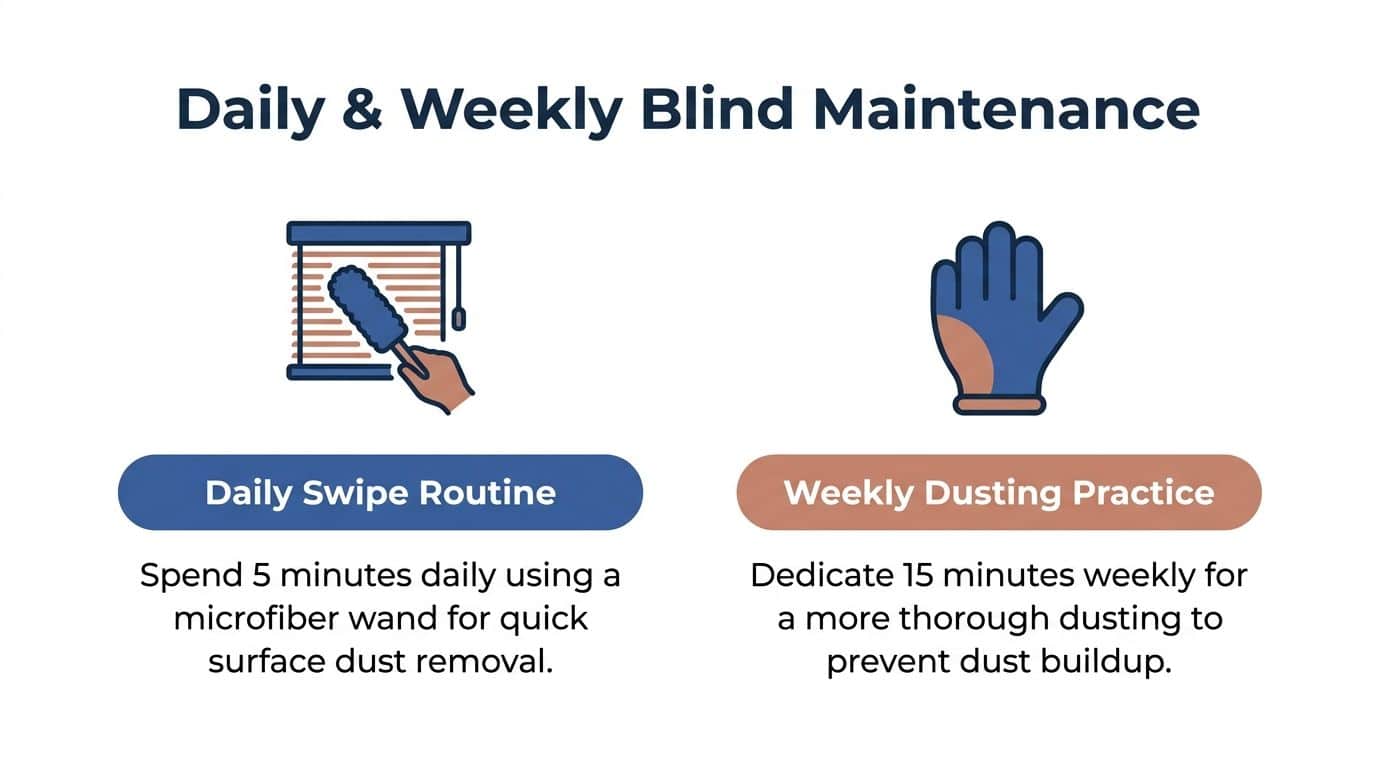
Daily habits that keep buildup manageable
This doesn’t need to be complicated.
- Use a microfiber wand on the most exposed blinds, especially in rooms near patios, entry doors, or busy streets.
- Close the slats fully so you can sweep across a flat surface instead of chasing dust on angled edges.
- Work one direction and stop when the cloth looks loaded. A dirty tool starts redistributing grit.
If you already do seasonal tidying around the house, broad general spring cleaning guides can help you tie blind care into a bigger routine instead of treating it as a separate project.
A simple weekly checklist
Once a week, do a slightly more thorough pass.
- Vacuum first: Use the brush attachment on low suction so dust comes off before wiping.
- Spot-wipe fingerprints: Kitchens, kids’ rooms, and office break areas usually need this more than bedrooms.
- Check corners and bottom rails: Dust tends to collect where slats overlap or where air currents settle.
- Inspect nearby screens: Dirty screens throw debris back onto freshly cleaned blinds, so this guide on how to clean window screens pairs well with blind maintenance.
A blind that gets a quick dry pass several times a week usually needs much less moisture later.
Timing matters in Arizona homes and storefronts
Try to clean after dust storms, after monsoon season, and before holiday hosting or retail traffic spikes. In storefronts, morning maintenance usually works better than midafternoon because glass, frames, and blinds are cooler and easier to clean without streaking.
For homes, west-facing rooms usually need attention sooner than shaded interiors. That’s where UV, heat, and airborne dust team up fastest. A small routine on the front end saves a much bigger job later.
Deep Cleaning Venetian and Aluminum Blinds
A Phoenix blind that looks lightly dusty can hide a packed line of grit along every slat edge. If you add moisture too early, that dust turns into a gray paste and gets pushed into cords, tilt mechanisms, and corners.
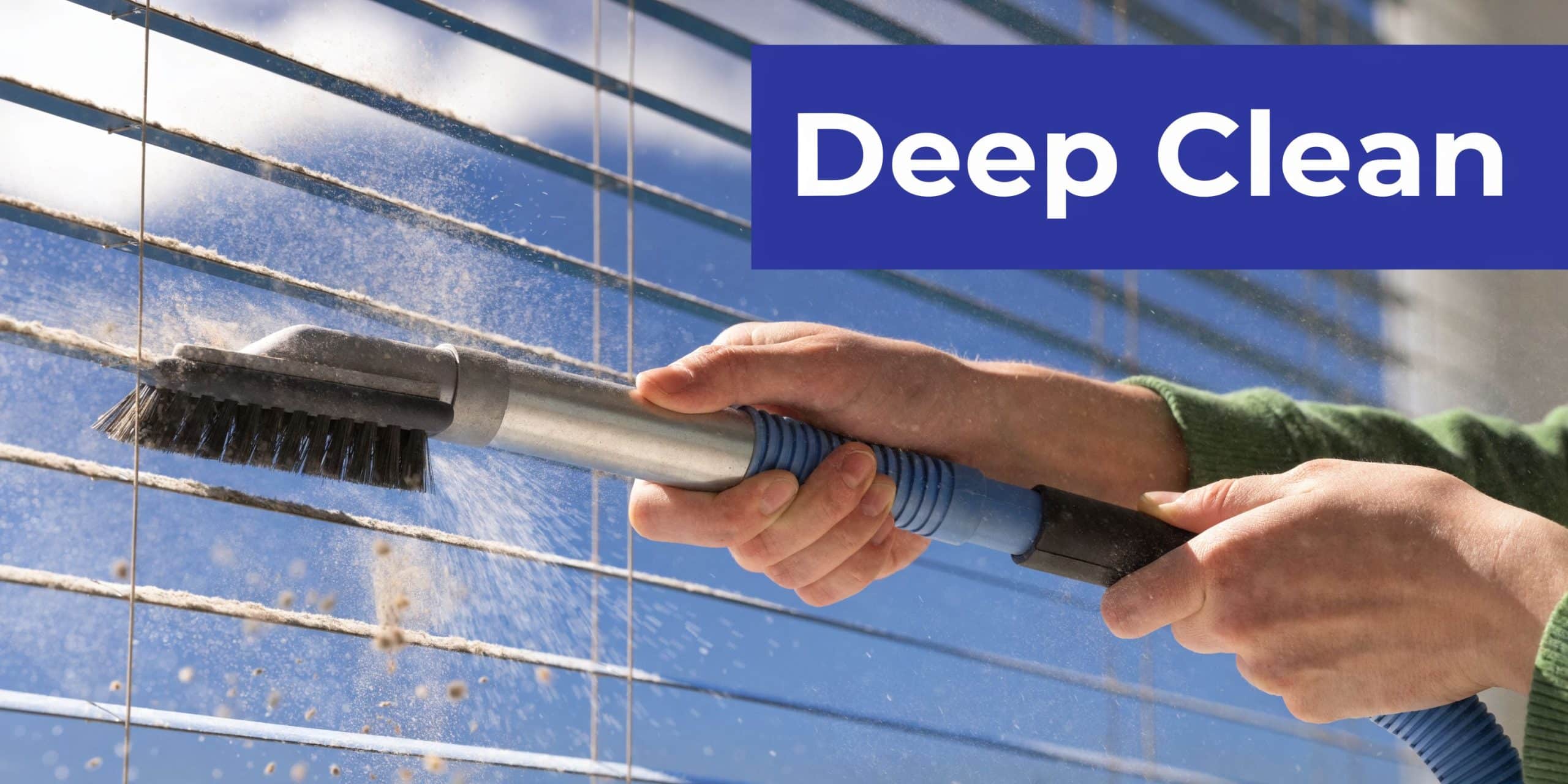
Start dry before adding any solution
Venetian, aluminum, and many vinyl blinds clean up best in stages. In Arizona homes near busy roads, construction zones, or desert lots, the dry soil load is usually heavier than owners expect, so the first pass should always be dry.
Use a vacuum with a brush attachment on low suction. Close the slats in one direction and work side to side with light pressure. Reverse the slats and repeat. If the blind rattles hard or flexes under the tool, suction is too high.
A handheld duster can help with light buildup, but for blinds that have gone through a dust storm or a summer of open windows, vacuuming pulls out more debris before you start wiping.
Wipe the slats without bending them
After the loose dust is off, clean a few slats at a time with a lightly damp microfiber cloth. A mix of warm water and a small amount of dish soap works for routine grime. For oily film, especially in kitchens or break rooms, add a little white vinegar to the cloth or bucket, not directly onto the blind.
Support each slat with one hand while wiping with the other. That small step matters on older aluminum blinds, which crease easily and never quite sit flat again once bent.
A good companion resource if you want another practical walkthrough is this post on how to clean Venetian blinds.
If the cloth starts leaving streaks or dragging, switch to a clean side right away. Dirty microfiber just redistributes the film.
When a tub soak makes sense
A soak is useful for removable aluminum or vinyl blinds with stuck-on grime, nicotine residue, or greasy buildup that a wipe-down will not cut. It is not the first move for every blind, and it is a poor choice for anything with a motorized headrail, fragile cords, or age-related damage.
Fill a tub with warm water and a small amount of mild dish soap. Let the blind sit briefly, then wipe or soft-brush between slats, rinse well, and lift it out carefully with both hands. Avoid hot water, harsh degreasers, and abrasive pads. They can strip finish, scratch coated aluminum, or leave the slats looking dull.
This visual demo helps if you want to see the sequence in action.
Drying matters more in Arizona than people think
Arizona air dries surfaces fast, but that does not mean water disappears evenly. Moisture tends to hang up in the bottom rail, cord holes, and ladder string contact points, especially if the blind is rehung before it is fully dry.
Dry each slat with a clean towel, then leave the blind open until hidden moisture is gone. On bare aluminum, delayed drying can lead to spotting or oxidation over time. On painted metal blinds, trapped moisture can leave marks along edges and hardware.
For tall foyer windows, stairwells, or large commercial installs in Phoenix, removal and rehanging can be the hardest part of the job. If the blind is warped, brittle, unusually high, or tied into a motorized system, professional cleaning is usually the safer call. The best way to wash blinds is the method that gets them clean without turning a dust problem into a repair bill.
Deep Cleaning Faux Wood and Wooden Blinds
Wood-look blinds confuse a lot of people because faux wood and real wood can look nearly identical from a few feet away. They don’t react the same way to moisture.
That’s where people get into trouble. They treat all “wood-style” blinds like washable plastic, then end up with swelling, finish damage, or slats that never sit straight again.
Faux wood can handle more moisture than real wood
Faux wood usually tolerates a damp wipe well when the cloth is only lightly loaded. It’s a good fit for kitchens, bathrooms, and family rooms because it handles routine grime better than natural wood.
Use a mild cleaner on the cloth, not sprayed directly onto the blind. Work one slat at a time, front and back, then follow immediately with a dry microfiber towel.
For sticky spots, hold the damp cloth on the area briefly instead of scrubbing hard. That softens residue without grinding grit into the finish.
Real wood needs restraint
Real wood blinds should be treated more like finished furniture than like vinyl. Moisture control is the whole game.
The biggest mistake is over-wetting. In the pro cleaning guidance cited earlier in the article, over-wetting wood blinds can warp 30% of untreated slats. That’s why any damp cleaning on real wood should be minimal and followed by immediate drying.
Wood blinds don't need a bath. They need controlled cleaning and quick drying.
A safe routine for wood and faux wood
Try this sequence:
- Dust first with vacuum or dry microfiber. Removing loose grit reduces scratching.
- Use a lightly dampened cloth. The cloth should feel barely moist, not wet.
- Wipe with the grain where visible. That helps preserve the finish and keeps your motion controlled.
- Dry each section right away. Don’t clean the full blind and plan to dry later.
- Check hardware while you're there. Tilt mechanisms, cords, and ladder strings often show wear before the slats do.
What works and what doesn't
Some approaches seem efficient but cause problems fast.
- Works well: Dry dusting, controlled spot cleaning, immediate blotting, mild cleaner.
- Usually fails: Soaking, spraying directly onto the blind, abrasive pads, letting drips run into the headrail.
- Risky in Arizona: Cleaning during the hottest part of the day on sun-baked windows, because solution can flash off unevenly and leave marks.
For Paradise Valley and Scottsdale homes with stained wood interiors, caution matters even more. The goal isn’t just getting the blind visibly clean. It’s keeping the finish, shape, and hardware intact so the window treatment still looks expensive afterward.
Deep Cleaning Vertical and Fabric Blinds
Vertical blinds, fabric vanes, and other soft window coverings need a different mindset. Dust is only part of the problem. In Arizona, occasional humidity spikes after storms can create mildew issues if the blinds stay damp too long after cleaning.
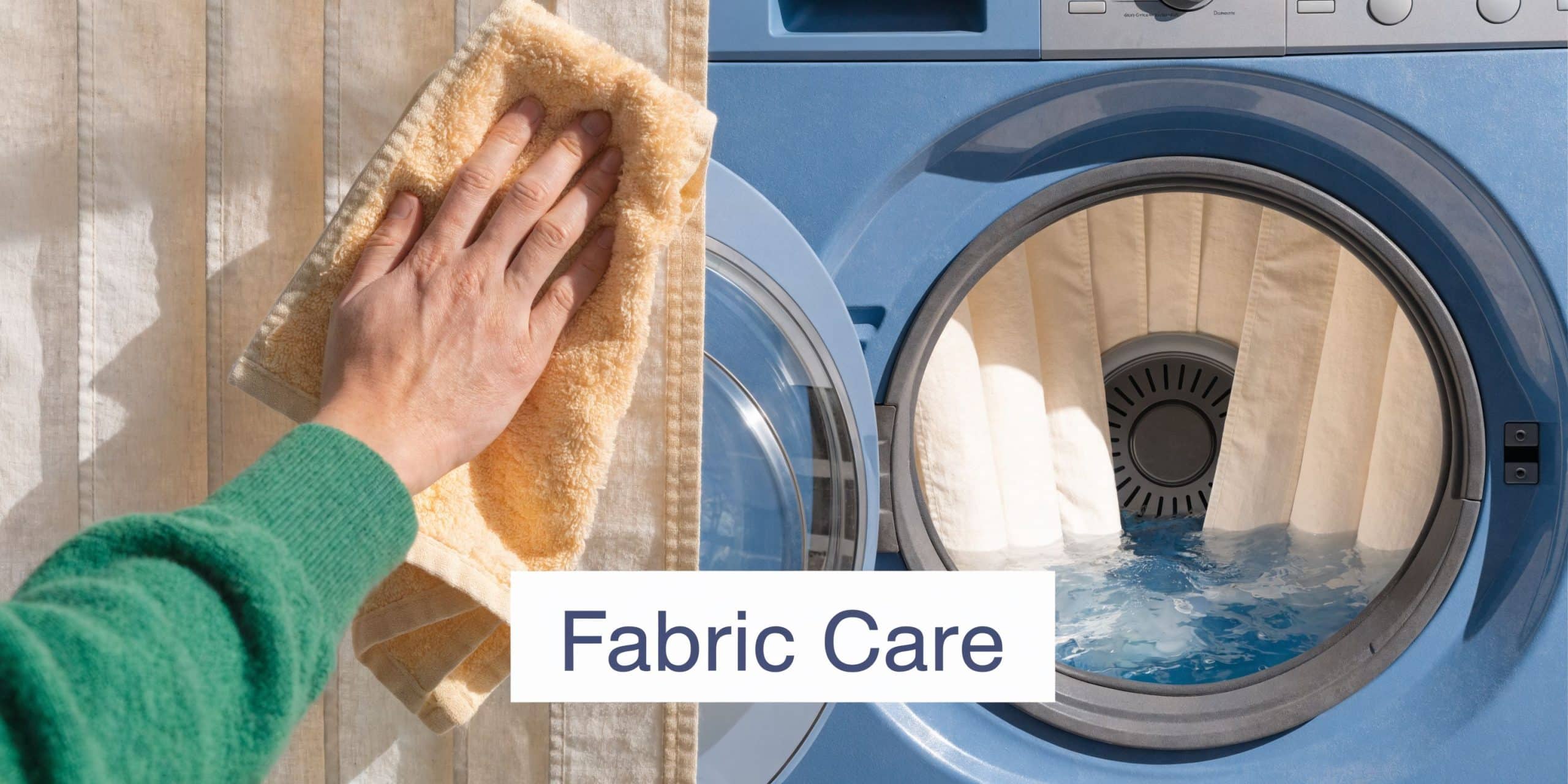
Hand washing versus machine washing
It is often assumed that hand washing is safer. Sometimes it is. Sometimes it isn’t.
For vertical fabric blinds, machine washing on a delicate cycle can cut mold residue by 25% compared with hand washing if the blinds are pre-dusted and tea tree oil sprays are used, according to this article on cleaning fabric vertical blinds. That same source notes a contrarian but practical approach: some fabric verticals do well in a protective bag on a delicate cycle, while poor drying after a soak can encourage mildew.
The main trade-offs
Here’s the comparison.
| Method | Best For | Strength | Watch Out For |
|---|---|---|---|
| Hand wiping | Light soil and spot cleaning | Good control | Easy to leave uneven moisture |
| Delicate machine cycle | Washable fabric verticals with broader soil | More consistent cleaning on suitable materials | Wrong temperature or poor prep can damage components |
| In-place vacuum and spot treatment | Routine maintenance | Low disruption | Won’t fully reset heavily soiled fabric |
| Professional rinse methods | Sensitive settings and larger jobs | Better residue control | Usually not a DIY setup |
Mold prevention matters more than people think
Fabric and vertical blinds should always be pre-dusted before any wet method. If dust turns to mud inside the fabric texture, the cleaning gets harder and drying gets slower.
The same source reports that mold can begin developing in 24 to 48 hours at 70%+ RH, which is why drying setup matters as much as washing method. Air drying on a flat surface is the safer choice for many fabric pieces because it helps prevent sagging.
The source also notes that fans can cut drying time by 50%, which makes a big difference in retail and hospitality settings where blinds need to be back in place quickly.
A practical routine for fabric blinds
- Vacuum first with a brush attachment.
- Test a small area before using any detergent or tea tree blend.
- Bag and machine wash only if the fabric and construction allow it.
- Keep water temperature controlled. The same source warns against going above 40°C because glue can soften or fail.
- Dry flat with moving air instead of folding, bunching, or draping heavily.
Another useful detail from the same source is that UV-pure water rinses eliminate spores without chemical residue. That’s especially relevant in condos, hospitality settings, and other properties where lingering cleaner residue or warranty concerns can complicate maintenance decisions.
Avoid Mistakes Stay Safe and When to Hire Pros
In Arizona, blind cleaning goes sideways fast for one simple reason. Desert dust looks dry and harmless until it mixes with cleaner, settles into cords and headrails, and leaves a chalky film that shows up even more under strong sun.
I see this a lot in Phoenix homes with west-facing windows and in commercial spaces near busy roads. The blinds are not heavily stained. They are just cleaned in the wrong order or with too much moisture for the material.
The mistakes that cause the most trouble
A few problems come up again and again, and most of them are preventable.
- Skipping the dry removal step: In Arizona, fine dust builds up quickly. If that dust gets wet first, it turns into paste and spreads across the slat.
- Using too much water on the wrong blind: Real wood can warp, and some faux wood products still have wrapped edges or hardware that do not handle soaking well.
- Scrubbing with rough pads or gritty cloths: That can scratch painted aluminum, dull finishes, and leave visible swipe marks in direct sunlight.
- Leaving soap behind: Residue grabs fresh dust fast, which is why blinds can look dirty again within days.
- Forgetting the hardware: Dirty headrails, cords, and tilt mechanisms wear out sooner when dust and moisture keep collecting there.
- Working overhead without stable access: Tall entry windows, stairwells, and two-story glass are where a simple cleaning job turns into a safety issue.
Cleaner alone does not fix blind problems. Good dust removal, light moisture, and complete drying do.
Safety matters more in tall Phoenix homes and commercial spaces
Routine cleaning at floor level is usually manageable. The risk changes once the blind sits above a stair opening, behind furniture, over a soaking tub, or across a long commercial window line where you have to keep shifting position.
Use stable footing. Keep both feet centered. If a blind has to come down, support it across the full span so older aluminum or long vertical vanes do not kink in the middle. Protect nearby floors and window sills before any wet cleaning starts, because blinds drip more than many homeowners expect. Keep powered shades and motorized headrails dry from start to finish.
This matters even more in Arizona because heat pushes people to clean fast, often in the middle of the day. Rushing usually leads to bent slats, missed residue, or a bad ladder setup.
When hiring a pro makes more sense
Some jobs stop being good DIY projects even if the blinds themselves seem straightforward.
That usually includes:
- High-rise condos and upper-floor units
- Office suites and storefronts that need a uniform finish
- Large homes with stacked windows or tall foyer glass
- Blinds near stairwells, chandeliers, or hard-to-reach landings
- Commercial properties where downtime needs to stay low
- Motorized blinds or shades with expensive hardware
The trade-off is not convenience. It is risk, finish protection, labor time, and whether the work can be done without damaging adjacent glass, trim, flooring, or the blind hardware itself. If you are comparing options, this guide on how to hire a professional window cleaning company gives a useful checklist.
What good results should look like
Clean blinds should look even from one end to the other, not patchy in the corners or cloudy near the edges. They should feel dry, not tacky. They should open and close without sticking, and they should not drop dust every time sunlight hits them in the afternoon.
For many Phoenix homeowners, the best routine is simple. Keep up with dry dusting, use wet cleaning only when the material allows it, and stop before access or moisture turns the job into a repair bill. For commercial managers, the line is usually labor and consistency. Once in-house cleaning starts taking too much time or producing uneven results, professional service is the cheaper option in practice.
South Mountain Window Cleaning, LLC helps homeowners, storefronts, commercial properties, and high-rise buildings across Phoenix, Scottsdale, Paradise Valley, Chandler, Tempe, and Gilbert keep windows and exterior surfaces looking sharp in Arizona’s dusty climate. If your blinds, glass, screens, or surrounding surfaces need professional attention, visit South Mountain Window Cleaning, LLC for a fast quote and service options.