

Arizona homeowners are paying an average monthly electric bill of about $150 to $167.59 in 2026. That sounds manageable until summer arrives, high cooling demand takes over, and many households realize the statewide average doesn't look much like their actual bill.
In Arizona, power costs aren't just about the utility rate. They're about how the building performs in extreme sun, how long the air conditioner runs, how much heat comes through glass, and whether exterior surfaces are helping or hurting efficiency. That's why the average electric bill in Arizona is more useful when you connect it to real maintenance decisions: window condition, solar panel cleanliness, shade control, screen condition, and HVAC workload.
A clean, well-maintained building usually costs less to operate than a neglected one. Not because cleaning magically changes your electric rate, but because it supports the systems that do the hard work every day.
What Is the Average Electric Bill in Arizona in 2026
The most current statewide benchmark puts the average residential electricity rate in Arizona at 15.72 cents per kWh, with an average monthly bill of about $150 to $167.59 as of June 2026, according to SaveOnEnergy's Arizona electricity bill data. That same source notes Arizona's residential rate is 23% lower than the national average, yet bills still stay close to the US average because residents use roughly 1,075 kWh per month.
That last point is more significant than commonly realized. Arizona's problem usually isn't just price. It's volume. Homes and buildings consume a lot of electricity because cooling isn't optional for much of the year.
What the average does and doesn't tell you
A statewide average is useful as a starting point. It gives homeowners, condo boards, and property managers a baseline for budgeting. But it doesn't tell you whether your own property is efficient.
Two buildings can pay very different monthly totals even if they sit in the same neighborhood. The difference often comes from factors like:
- Cooling demand: Longer AC runtime drives up usage fast.
- Glass exposure: Large west-facing windows increase heat gain.
- Building condition: Worn seals, dirty screens, and neglected exterior surfaces can make HVAC systems work harder.
- Occupancy patterns: A home occupied all day uses cooling differently than one that sits empty until evening.
Practical benchmark: If your bill is landing near the state average, that doesn't automatically mean your property is efficient. It may just mean your usage is typical for Arizona's climate.
For owners in Phoenix, Scottsdale, Tempe, Chandler, Gilbert, and Paradise Valley, the better question isn't only “What's the average electric bill in Arizona?” It's “What's driving my building above or below that average, and what can I fix without wasting money?”
Why Are Arizona Electric Bills So High
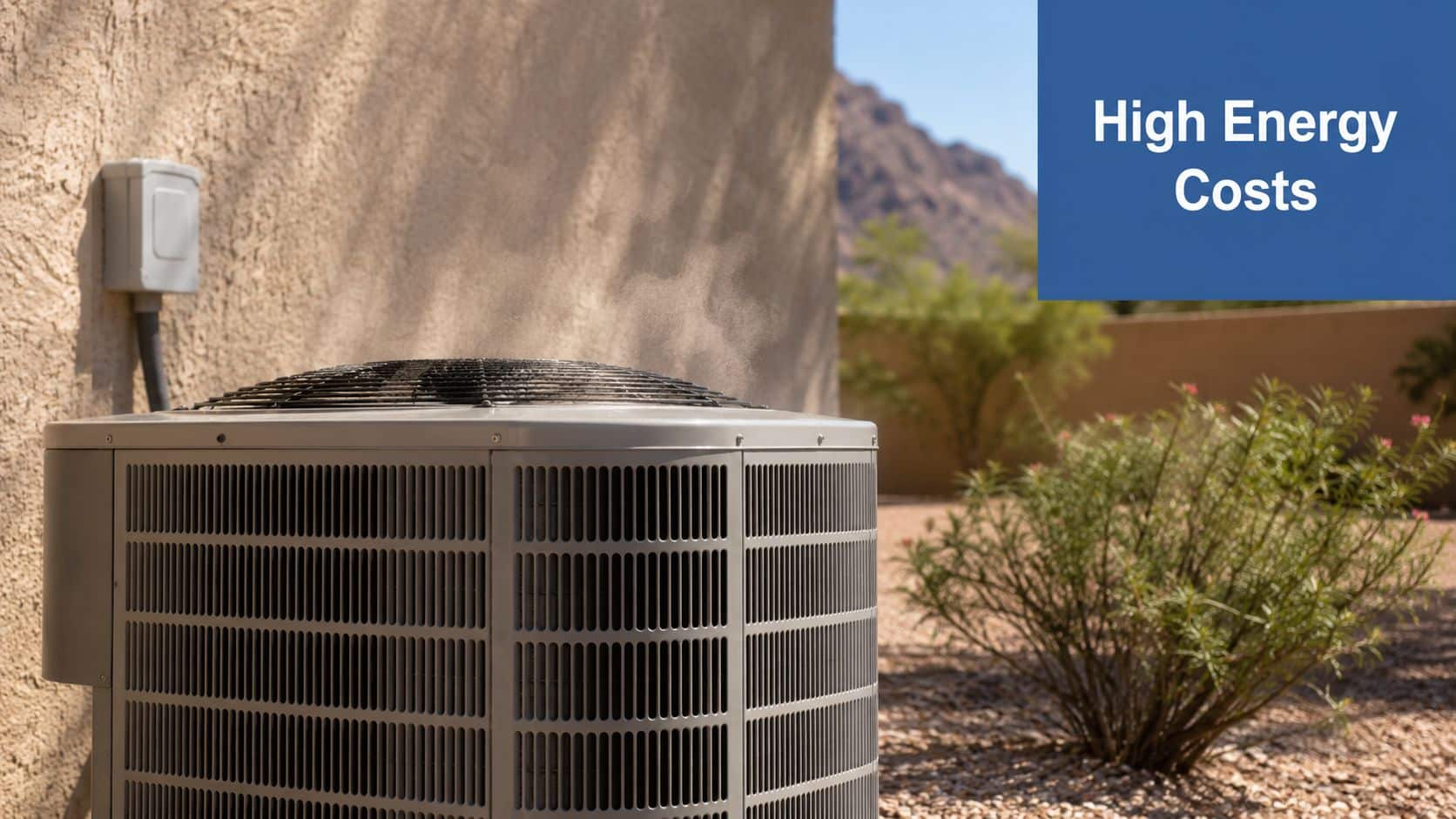
Arizona bills feel high because cooling dominates the equation. The state's climate forces AC systems to run hard and run often, and small efficiency problems add up quickly over a long hot season.
According to the Arizona infrastructure and energy use dashboard, average residential electricity use is about 1,059 kWh per month, primarily driven by air-conditioning. At the state's average electricity price of 14.91 cents per kWh, that usage implies a monthly bill of around $160.20.
Air-conditioning runs the bill
If you want to understand most Arizona electric bills, start with the AC system. In a desert climate, cooling load controls the outcome. A thermostat setting change, a clogged filter, poor insulation, direct afternoon sun, or leaky door seals can all increase runtime.
That's why broad advice like “use less power” isn't very helpful. The better approach is to identify what keeps the cooling system on longer than necessary. Homeowners who want a plain-language breakdown of common causes can review this guide on how to fix your high electric bill, especially if the bill jumped and nothing obvious changed.
Building condition matters more than people expect
In the field, the most expensive mistakes are often simple maintenance issues that linger:
- Dirty or damaged window screens: They reduce airflow when windows are opened during milder mornings or evenings.
- Dusty glass and frames: They reveal neglected seals, failed caulking, and sun exposure issues that often go unnoticed.
- Poor shade management: Uncovered glass on the hottest exposures can turn a room into a heat reservoir.
- Deferred HVAC upkeep: Even a strong system struggles when the building shell leaks heat inward.
A lot of Arizona owners blame the utility first. Often, the bigger problem is that the building is making the AC fight harder than it should.
Rate plans and usage timing still matter
Even with the same home and the same equipment, the bill can shift depending on when electricity is used. If a property runs laundry, dishwashing, cooking, and heavy cooling all at the wrong times, the monthly cost can climb faster.
Property managers see this clearly in multifamily settings. The buildings with the most bill complaints usually combine high sun exposure, older seals, inconsistent maintenance, and occupant habits that bunch power use into the hottest part of the day.
Comparing Electric Bills in Phoenix Scottsdale and Beyond
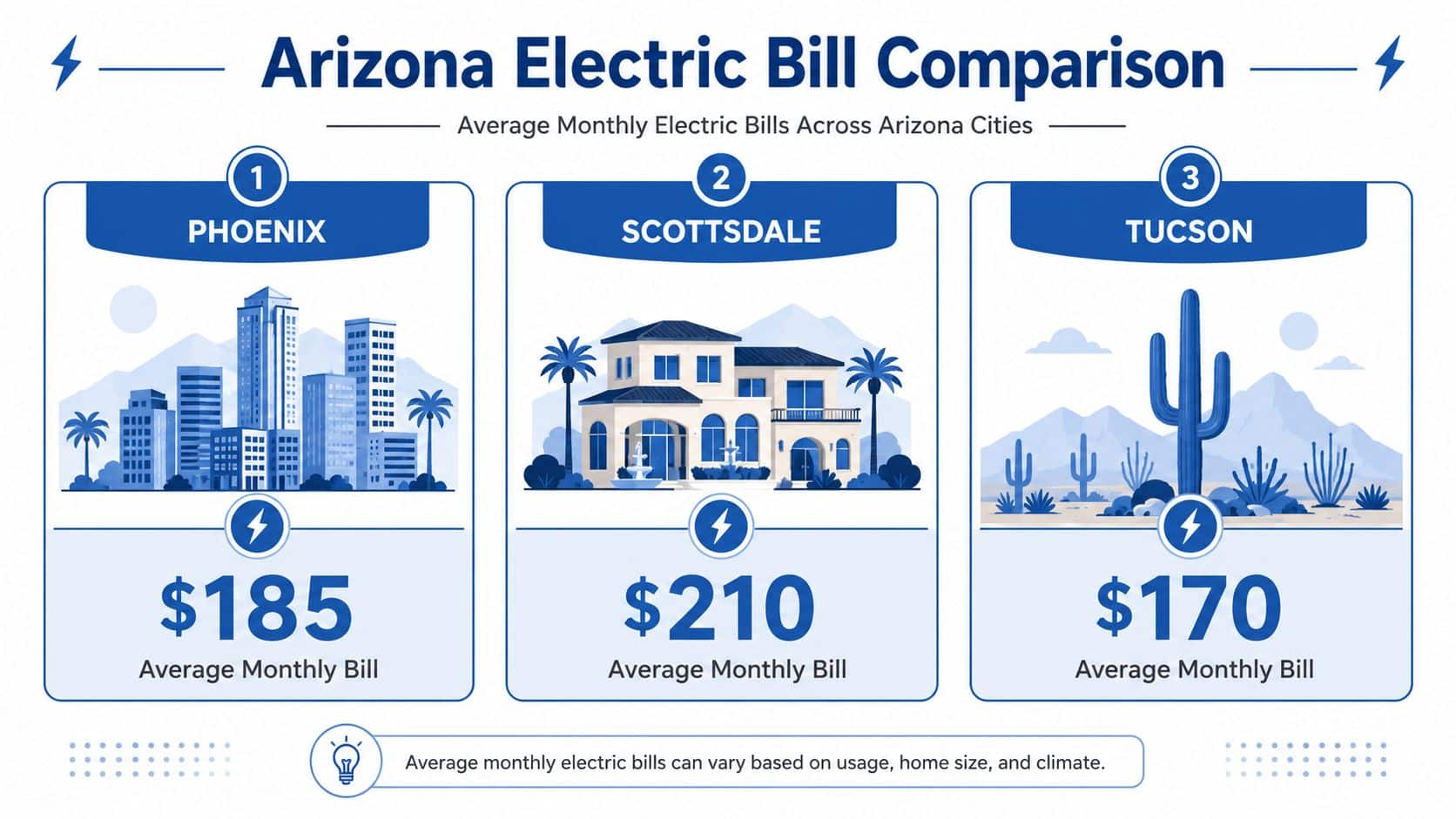
The average electric bill in Arizona is useful for headlines, but it can be misleading for local decision-making. Metro Phoenix includes very different housing types, lot exposure patterns, and occupancy habits. A shaded Tempe townhome doesn't behave like a large Scottsdale house with broad glass exposure and a pool pump.
The biggest local lesson is simple: one statewide average won't match every property. Data from EnergySage's Arizona electricity cost page shows that while some sources put the statewide average around $167, Arizona users requesting quotes average $218 per month and 1,420 kWh per month. High-usage homes can sit far above the number people see in generic “average bill” articles.
Why city-to-city comparisons get messy
Phoenix, Scottsdale, Chandler, Gilbert, and Paradise Valley often share the same weather pattern, but they don't share the same building stock. Bills can drift higher or lower based on practical realities such as:
| Area factor | What it often means for the bill |
|---|---|
| Larger homes | More square footage to cool |
| More glass | More solar heat gain if unmanaged |
| Older construction | More leakage around doors, windows, and penetrations |
| High occupancy | More daytime cooling and appliance use |
| Solar system condition | Output depends on panel exposure and cleanliness |
That's why local benchmarking works best when you compare properties with similar size, orientation, and upkeep, not just the same ZIP code.
The exterior can widen the gap
One part of the local comparison gets overlooked: exterior maintenance quality. In Arizona, dust accumulates fast. When solar panels collect grime, output can slip. When windows stay coated with buildup, occupants often keep blinds shut and rely more heavily on artificial lighting while also missing early visual signs of seal failure or heat-related wear around frames.
For owners who rely on rooftop generation, regular solar panel cleaning in Phoenix belongs in the same conversation as utility costs. It's not just about appearance. It's part of keeping the system productive in a dusty climate.
The Seasonal Spike in Summer Energy Use
Arizona's annual average doesn't prepare people for the summer bill shock. Historically, the statewide monthly average has shown a steady year-over-year rise, and during the hottest months, bills can reach $200 to $250 because cooling demand jumps, according to Arizona electric bill reporting summarized here.
That seasonal pattern changes how owners should think about energy savings. A measure that feels minor in spring can matter a lot in July when every extra degree of indoor heat pushes the AC to run longer.
What causes the summer jump
Arizona buildings absorb heat from multiple directions at once. Roofs bake. Walls store afternoon heat. Windows admit sunlight and radiant heat. Attics and upper floors get hammered. Once that happens, the cooling system doesn't just lower the air temperature. It has to remove accumulated heat from the structure itself.
Three common triggers drive the summer spike:
- Longer AC runtime: The system cycles more often and stays on longer.
- Afternoon heat gain: Sun exposure through glass raises indoor load when outside temperatures peak.
- Compounding building stress: Dust, poor seals, and deferred maintenance make each cooling cycle less effective.
Summer is when neglected surfaces start costing money
Exterior upkeep becomes more important when the weather is harshest. Dirty windows can hide frame deterioration and damaged weatherstripping. Solar panels that looked “fine” in cooler months may underperform once homeowners need every bit of generation they can get. This is one reason more owners start reviewing how to prevent solar panel efficiency loss in Arizona before peak summer usage arrives.
In Arizona, summer utility control is partly an energy problem and partly a maintenance problem.
What doesn't work very well
A lot of people chase the wrong fix after the first big summer bill. They lower the thermostat aggressively at night, overuse portable fans in already conditioned rooms, or focus on small plug-in savings while ignoring the building envelope.
Those moves can help at the margins, but they usually don't change the main driver. The main driver is still cooling load. If the structure keeps taking on heat and the AC keeps fighting it, the bill stays high.
Actionable Strategies to Lower Your Electric Bill
Bills are rising, and the pressure to cut waste is real. Data cited by AZ Central's coverage of Arizona electric bill trends shows the statewide average increased from $162.78 in 2024 to $167.21 in May 2025, while newer datasets show some quoting customers averaging $218 per month. That means waiting for rates or weather to improve isn't much of a plan.
The better move is to work through the property in order, starting with the easiest wins and ending with the maintenance items that affect cooling load the most.
Start with operations, not purchases
Before buying anything, tighten how the building is being used.
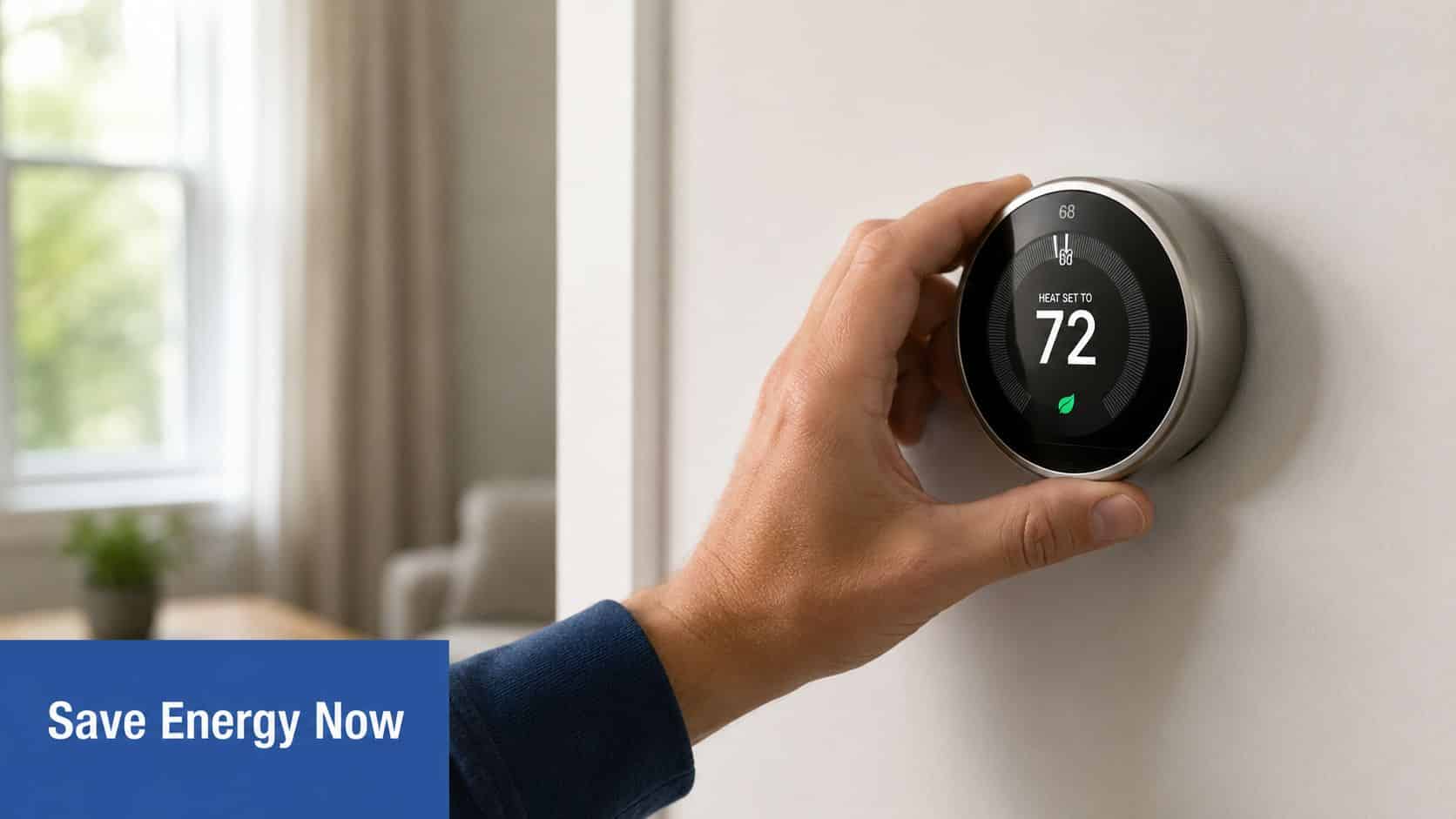
- Adjust thermostat habits: Avoid settings that make the system recover from large swings during hot afternoons.
- Shift appliance use: Run heat-producing appliances during cooler hours when possible.
- Use blinds with purpose: Keep sun-exposed windows covered during peak heat, then use daylight strategically where glare and heat aren't a problem.
- Check filters and vents: Restricted airflow makes the system work harder and longer.
For homeowners who want a practical checklist beyond utility-company boilerplate, this guide on how to fix your home's energy waste is a good companion resource.
Move next to low-cost building fixes
Many Arizona properties pick up meaningful savings without major remodeling.
A short exterior and interior checklist helps:
- Inspect weatherstripping around doors that face intense afternoon sun.
- Look for failed caulk at window edges and penetrations.
- Replace damaged screens that reduce usability and signal neglected frames.
- Clean glass and tracks so wear, gaps, and frame issues are visible.
- Trim landscaping carefully if it blocks equipment access or traps debris against the house.
Field rule: If you can see dust buildup, brittle seals, or sun-beaten trim from the ground, the building is already telling you where efficiency is slipping.
Don't ignore solar upkeep
Solar only helps if the system is producing the way it should. In Arizona, dust is constant, and panel surfaces collect grime faster than many owners expect. If output seems lower than expected, maintenance belongs on the shortlist. This overview of ways to increase solar panel efficiency gives a practical starting point.
Here's a useful video if you want a visual walkthrough of energy-saving basics before making a maintenance plan:
Spend bigger money only after the basics are handled
Major upgrades can help, but they're not always the first answer. If a property has dirty panels, neglected windows, failing seals, and inconsistent thermostat practices, replacing major equipment before fixing those issues can waste money.
In practice, the best order usually looks like this:
| Priority | Best first move |
|---|---|
| Immediate | Thermostat habits, filters, shading, appliance timing |
| Low-cost | Seal checks, glass cleaning, screen and track care |
| Maintenance | HVAC service, solar cleaning, exterior inspection |
| Capital upgrade | Larger efficiency projects after the basic waste is removed |
The Hidden ROI of Professional Exterior Cleaning
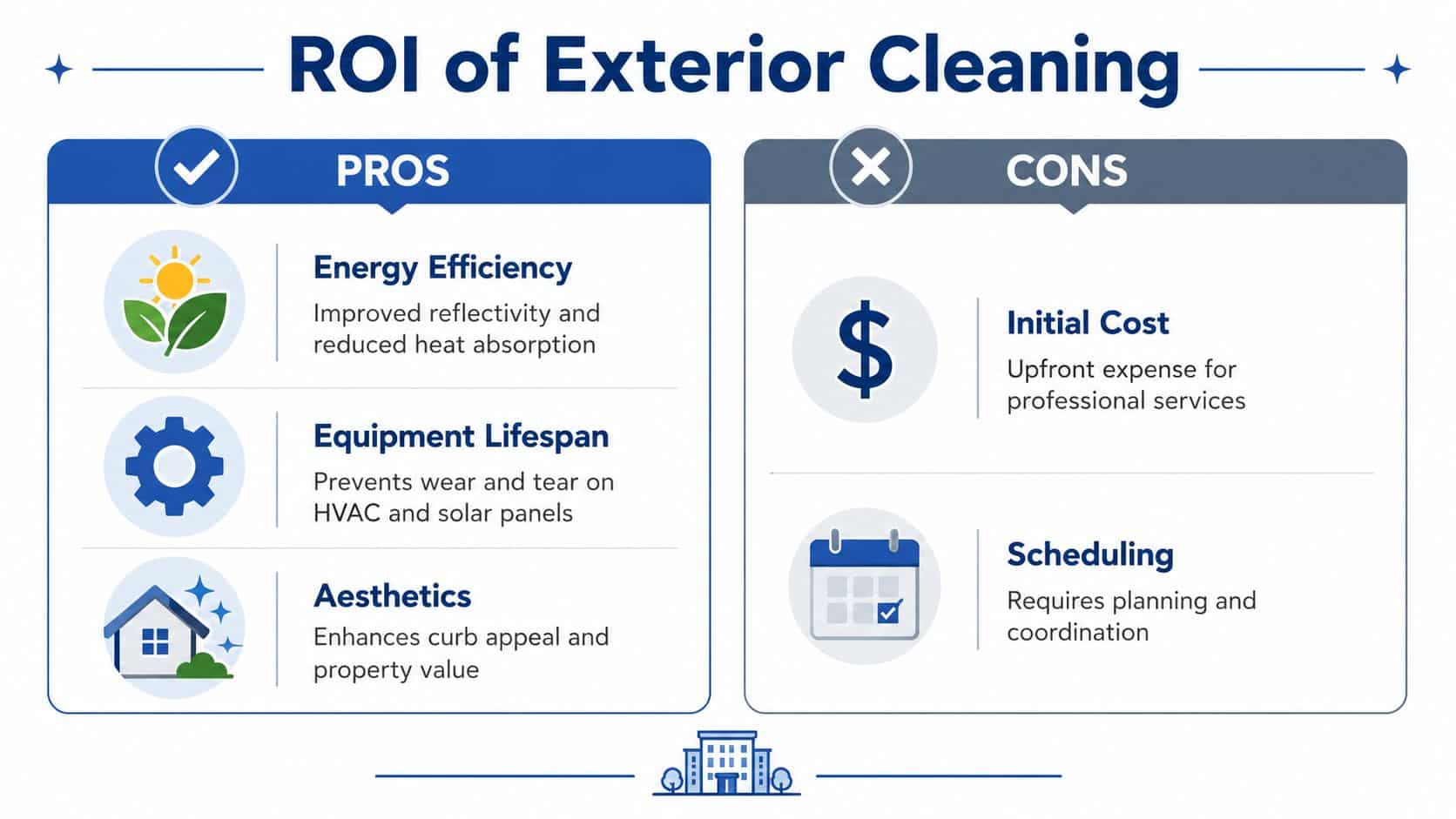
Window cleaning and solar panel cleaning are often categorized as appearance-related. In Arizona, that's too narrow. Exterior cleaning also supports building performance.
The basic logic is straightforward. When glass, frames, tracks, and panels are coated with dust, you lose visibility into the true condition of the property. You also reduce the performance of systems that depend on exposure to light and heat management. Cleaning doesn't replace insulation or HVAC service, but it makes those systems easier to support and maintain correctly.
Windows affect more than curb appeal
Clean windows improve visibility, which sounds cosmetic until you look at how owners use the space. With cleaner glass, occupants can often rely more comfortably on natural daylight in appropriate rooms instead of shutting everything off behind a dusty film. More important, clean glass and frames make it easier to spot seal failure, cracking caulk, warped trim, and other issues that let heat push indoors.
That's the trade-off many owners miss. Cheap, infrequent maintenance can lead to expensive hidden problems. When the exterior is maintained, you catch issues while they're still manageable.
Solar panels are a working surface, not a decorative surface
In Arizona's dusty environment, solar panels need to be treated like equipment. Because they are equipment. If the surface is dirty, production can suffer, and that hurts the economics of the system.
Property owners comparing service options often focus only on price. A better question is whether the cleaning is being handled safely and whether the panel surface is being treated correctly. Anyone trying to budget realistically can start with this breakdown of the cost to clean solar panels.
Clean exterior surfaces don't create savings on their own. They help the building and the solar system operate closer to what they were designed to do.
Where professional cleaning earns its return
The return usually shows up in practical ways rather than a single dramatic line item:
- Earlier problem detection: Clean frames and tracks reveal leaks, gaps, and failing seals.
- Better daylight use: Occupants are more likely to use natural light when glass is clear.
- Stronger solar performance: Clean panels have a better chance of delivering expected output.
- Less deferred maintenance: Routine service keeps small exterior issues from turning into bigger repair costs.
For commercial sites, retail storefronts, high-rise properties, and larger homes, the value is even clearer. Access is harder, dust loads are heavier, and neglected surfaces tend to stay neglected longer. Professional service solves that access and consistency problem.
Next Steps for Arizona Homeowners and Property Managers
If you're trying to make sense of the average electric bill in Arizona, start with the right conclusion. The statewide number is useful, but it's not the primary decision-making tool. The primary tool is a building-by-building review of what's pushing cooling demand up.
Walk the property in daylight. Look closely at the windows, frames, seals, screens, tracks, and solar panels. Check the west-facing side first. That's where Arizona buildings often show stress fastest. If the exterior looks dusty, sun-beaten, or overdue for service, your utility bill may be reflecting that condition already.
For property managers, this matters at scale. One neglected storefront, one dirty solar array, or one bank of heat-exposed windows can affect tenant comfort, common-area costs, and service calls. For homeowners, the same principle applies on a smaller footprint. The bill you're paying each month is tied to how hard your house has to fight the climate.
A smart next step is to pair your utility review with an exterior maintenance review. If the numbers on the bill keep climbing, don't just ask what the utility is charging. Ask what the building is demanding.
If your windows, glass, tracks, or solar panels are overdue for service, South Mountain Window Cleaning, LLC can help you get a clearer view of what your property is doing to your energy costs. Their team serves homeowners, commercial properties, and high-rise buildings across Phoenix, Scottsdale, Paradise Valley, Chandler, Tempe, and Gilbert, with professional exterior cleaning that supports both appearance and building performance.