
After a windy week in Phoenix, the signs show up fast. Dust settles into the texture of stucco, runoff leaves ugly trails below scuppers, and the side of the house that never gets much sun starts looking dingy even when the rest of the property is clean. Sometimes the trigger is an HOA notice. Sometimes it's the moment you wash the windows and realize the walls now look worse than the glass.
A lot of homeowners start with a hose, a spray nozzle, and good intentions. That works for knocking off loose dirt. It doesn't do much for bonded grime, hard water residue near irrigation zones, or the organic staining that can build up on shaded walls. In Arizona, exterior cleaning isn't just about making the house look brighter for a weekend. It's part of maintaining the finish, the materials, and the overall appearance of the property in a climate that's hard on exteriors.
Why Your Arizona Home Needs More Than a Hose Down
You rinse the wall, it looks better for an hour, and then the streaks come back as it dries. That is common on Phoenix-area homes, especially on stucco.
Arizona dirt behaves differently than the grime you see in wetter parts of the country. We deal with fine airborne dust that settles deep into textured finishes, mineral-heavy irrigation overspray that leaves chalky lines, and intense sun that makes every runoff mark easier to see. A hose helps with loose surface dust. It does very little for bonded soil, hard water residue, or staining that has worked its way into a porous exterior.
Stucco makes this obvious. From the street, the house may look mostly clean. Up close, you will usually find drip lines under scuppers, gray buildup around vents, splash marks near the foundation, and discolored areas where dust and minerals have settled into the texture. Painted fascia and trim show it too. The finish starts to look dull, uneven, and tired long before the material itself has failed.
If the wall dries and still looks blotchy, the problem is no longer just surface dust.
A proper house wash is a surface-specific cleaning process. The goal is to break down what is stuck, rinse it away evenly, and protect the finish while doing it. On Arizona homes, that matters because the wrong method can scar stucco, force water behind trim, leave oxidation untouched, or make old paint fail faster. Homeowners comparing methods can see the difference in this guide to pressure washing vs soft washing for exterior surfaces.
What shows up most often on local homes?
- Windblown dust: Fine desert dust settles into stucco, siding, window frames, and trim after windy days and monsoon outflows.
- Hard water staining: Sprinkler overspray leaves mineral deposits on walls near planters, hose bibs, and irrigation zones.
- Sun exposure: Strong light highlights chalking, faded areas, and uneven cleaning, especially on west-facing walls.
- Shaded moisture spots: Even in Arizona, algae or mildew can show up on cooler sides of the house, behind shrubs, or anywhere irrigation keeps surfaces damp.
This is why a quick rinse rarely solves the full problem. Arizona exteriors need cleaning that fits the material, the stain, and the climate.
Soft Washing vs Pressure Washing The Right Tool for the Job
A good house wash starts with one question. What is the surface, and what will it safely tolerate? That matters more than raw pressure.
Some residential-grade washers are commonly described as reaching up to about 1,900 PSI at 2 GPM, but that doesn't mean that level is appropriate for your home's exterior. For delicate or porous surfaces like brick, stone, and stucco, soft washing is the preferred method because low-pressure application reduces the risk of irreversible damage, as explained in Valcourt's overview of surface-compatible exterior cleaning.
Why this choice matters on Arizona homes
Think of soft washing as targeted treatment. It uses cleaning solutions and low-pressure rinsing to break down organic growth, dust film, and general grime without hitting the wall with a hard jet stream.
Think of pressure washing as a stronger mechanical tool. It has a place, but mainly on surfaces that can take it, like certain concrete walkways, driveways, or heavily soiled hardscape. Used carelessly on stucco, painted wood, trim, or brittle finishes, it can do damage faster than most homeowners expect.
In Phoenix-area neighborhoods, that distinction matters because common exterior materials don't all respond the same way:
- Stucco: Usually better suited to soft washing. High pressure can etch the finish or open weak areas.
- Painted surfaces: Need a controlled approach. Too much force can lift failing paint or leave tiger-striping.
- Cool decking and some masonry: Often require a different technique than vertical house walls.
- Vinyl siding: Less common here than in other regions, but still a surface that needs controlled cleaning rather than brute force.
- Tile roof edges and fascia areas: Need careful rinsing and runoff management, not random blasting.
Soft Wash vs. Pressure Wash At a Glance
| Feature | Soft Washing | Pressure Washing |
|---|---|---|
| Water pressure | Low pressure | Higher pressure |
| Primary cleaning action | Cleaning solution plus gentle rinse | Mechanical force from water |
| Best for | Stucco, painted surfaces, porous materials, organic staining | Concrete, some stone, durable flat surfaces |
| Main advantage | Reduces risk of surface damage | Fast removal of heavy surface buildup on hard materials |
| Main risk if misused | Incomplete results if chemistry is wrong | Etching, paint damage, water intrusion, surface scarring |
| Typical Arizona use | Exterior walls, trim, delicate finishes | Driveways, walkways, some patio surfaces |
A homeowner doesn't need to memorize equipment specs. You just need to know that “more pressure” isn't the same thing as “better cleaning.”
The right method removes contamination while leaving the surface intact. If the wall is cleaner but the finish is damaged, the job failed.
What works and what usually doesn't
What works is a surface-by-surface plan. A technician may use soft washing on the house walls, a stronger method on adjacent concrete, and a separate treatment for rust or mineral staining. That's normal. Exterior cleaning is rarely one setting and one nozzle from start to finish.
What usually doesn't work is renting a machine and treating the whole property the same way. On Arizona stucco, that approach often leaves wand marks, streaks, or blown-out weak spots near cracks and patched areas. It can also force dirty water behind trim or around vents if the spray angle is wrong.
If you want a clearer breakdown of how professionals decide between methods, this guide on pressure washing vs soft washing lays out the distinction in homeowner-friendly terms.
The Real Benefits of Professional House Washing
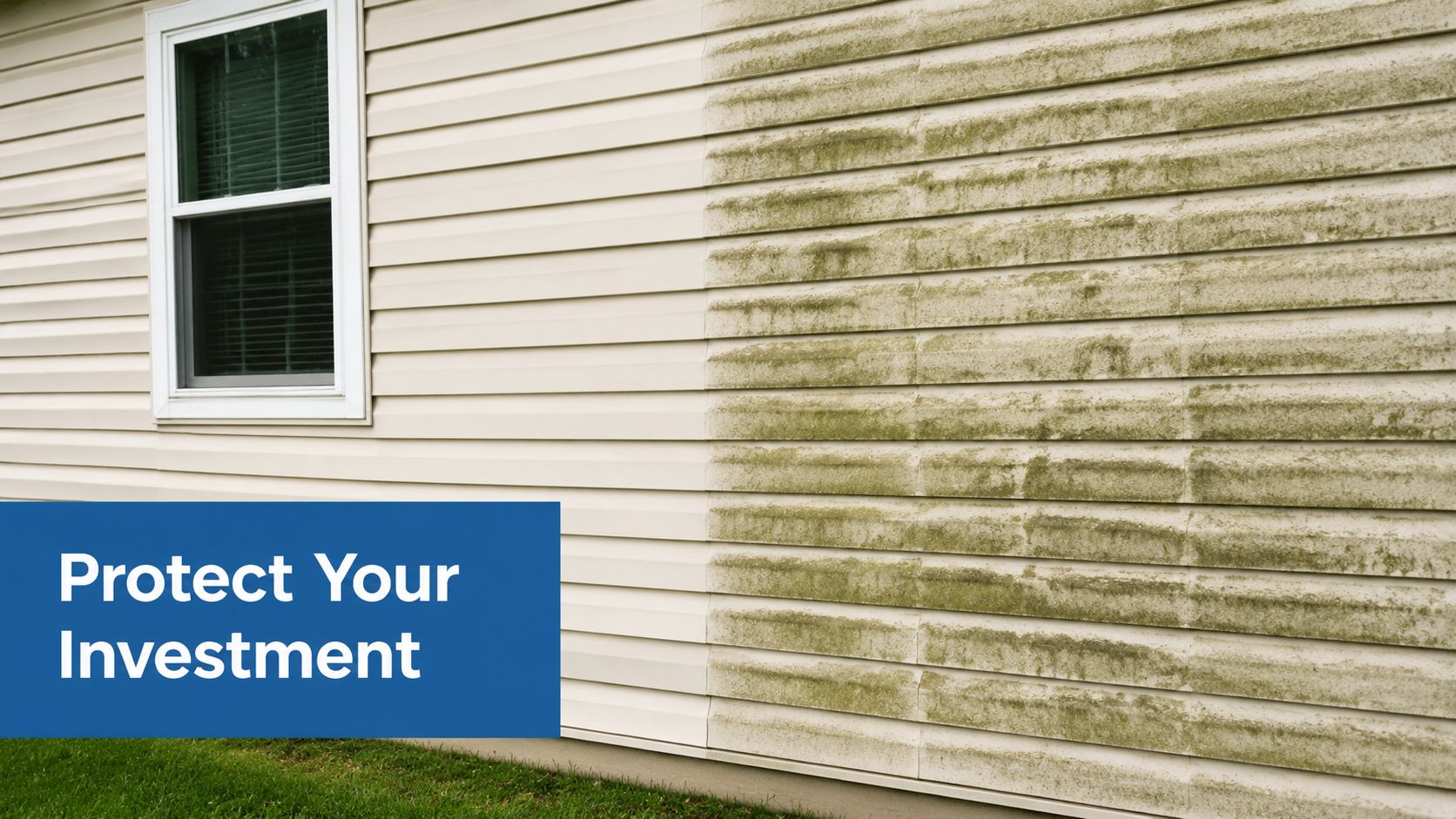
A clean exterior looks better immediately. That part is obvious. The bigger value is that house washing is economically functional, not just cosmetic. The spend often gets framed around square footage, but the stronger argument is protecting property value and reducing longer-term maintenance pressure, especially in sun-intense markets, as discussed in this house washing cost and value overview.
It helps prevent avoidable exterior wear
Arizona homes collect more than dust. They collect residues that sit in textured finishes, around window trim, below roof runoff paths, and near irrigation lines. Left alone, those stains become harder to remove and more likely to leave permanent discoloration.
That doesn't mean every dirty wall is about to fail. It means regular, appropriate cleaning gives you a better chance of preserving paint, trim, and finish quality instead of waiting until problems are well set. Homeowners trying to decide whether a stain is just cosmetic or part of a larger maintenance issue can also review this homeowners' exterior repair guide for context on what belongs to cleaning and what belongs to repair.
It improves how the whole property is perceived
Buyers, guests, tenants, and neighbors notice exterior condition before they notice details. Dirty siding, streaked stucco, and stained entry walls suggest deferred maintenance even when the home is structurally fine. A clean exterior signals that the property is cared for.
That matters even if you're not selling. It affects how the home feels when you pull into the driveway, how comfortable you are hosting, and how the other maintenance work on the property reads visually.
A close look at the process helps homeowners understand why pros get different results than DIY rinsing.
It supports a healthier outdoor environment
When organic growth shows up on shaded walls, patio edges, or damp areas around landscaping, cleaning isn't only about appearance. Removing that buildup makes outdoor spaces more usable and reduces the grime that collects around entries, seating areas, and windows.
For homeowners comparing maintenance options, this overview of the benefits of power washing is useful because it frames exterior washing as preventive care, not just visual improvement.
House Washing Costs and Recommended Frequency in Arizona
Most homeowners ask two practical questions first. What's this going to cost, and how often do I need it?
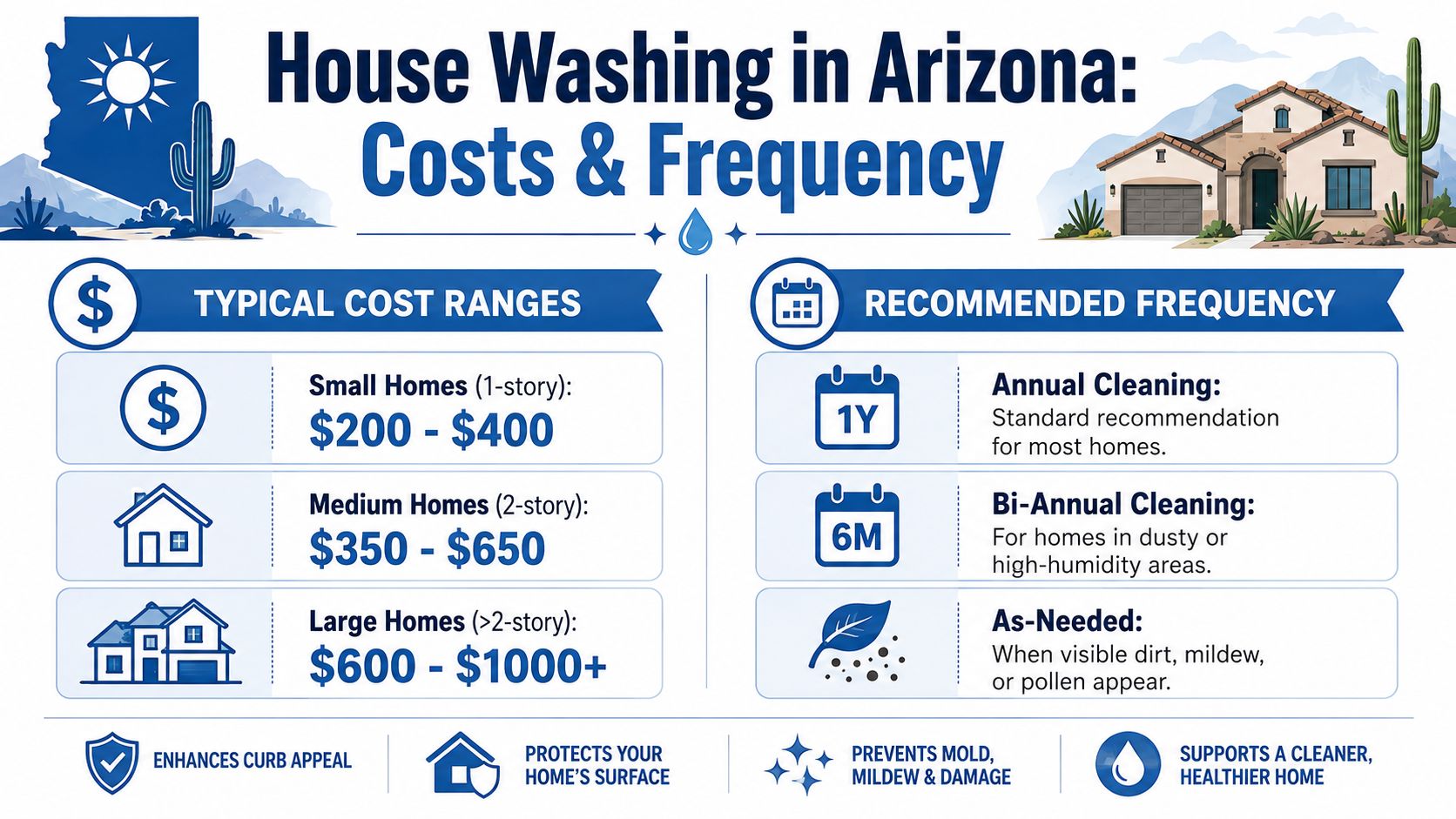
For pricing, a solid benchmark is roughly $0.10 to $0.50 per square foot, with an average reported cost of about $310 for a typical job. A 2,000-square-foot home often takes about 2 to 4 hours for a professional crew, according to Angi's house washing pricing guide. That's a useful baseline, but it doesn't tell the whole Arizona story.
What changes the price on an Arizona house
The same square footage can produce very different job conditions. One single-story home in a clean subdivision may wash quickly. Another home of similar size may have heavy dust buildup, irrigation staining, limited access on side yards, and shaded areas that need more dwell time and more detailed rinsing.
The biggest variables are usually:
- Home height: Two-story and taller sections take more setup and slower work.
- Surface type: Stucco, painted trim, and mixed materials require method changes.
- Level of soiling: Light dust is different from embedded staining or organic growth.
- Access issues: Tight side yards, dense landscaping, gates, and fragile décor all affect labor time.
- Add-on problem areas: Rust stains, hard water marks, and adjacent flatwork often require separate treatment.
How often Arizona homeowners should schedule service
Generic advice often says “wash the house once a year.” That's too broad to be helpful.
The specific schedule depends on climate exposure, shade, traffic dust, and surface type. In Arizona, some homes look clean for a long stretch and then suddenly don't after windy periods or monsoon runoff. Others need more attention because they sit near busy roads, back to open desert, or have constant sprinkler overspray on stucco.
More washing isn't always better. The right schedule balances appearance with the life of paint, sealants, and finish materials.
A practical framework looks like this:
- Annual cleaning: Works for many homes with moderate exposure and no persistent staining issues.
- Twice-yearly cleaning: Makes sense when dust loads are high, walls stay shaded, or irrigation regularly hits the exterior.
- As-needed cleaning: Reasonable for homes where only certain elevations or entry areas show visible buildup.
The best times of year to do it
For Phoenix-area homeowners, two timing windows are especially practical.
One is after the windy spring season, when dust has had time to settle into walls, trim, and entry surfaces. The other is after monsoon season, when runoff lines, splatter, and accumulated grime become much more visible.
If you're trying to judge your own schedule, this article on how often you should power wash your house helps homeowners think in terms of conditions rather than a one-size-fits-all calendar.
How to Prepare Your Home for a House Washing Service
A good service visit starts before the first hose is pulled. Small prep steps make the work faster, safer, and cleaner.
The short checklist that matters most
- Close windows and doors tightly: Even careful rinsing can find a weak screen, loose latch, or poor seal.
- Move lightweight items away from the walls: Patio chairs, doormats, potted plants, décor, and grills are easier to protect when they're not in the work zone.
- Give technicians clear access: Open side gates and clear narrow walkways so equipment can move without bumping landscaping or furniture.
- Flag known problem areas: If you have a cracked light fixture, a loose vent cover, failing caulk, or a touchy window seal, say it before the job starts.
- Protect special items: Rare plants, delicate wall décor, and outdoor electronics should be identified in advance.
Why these details help
Exterior cleaning crews work more efficiently when they're not stopping every few minutes to relocate furniture or figure out whether a wall-mounted item is secure. Prep also reduces avoidable problems, especially around entry doors, electrical fixtures, and decorative planters.
If you want a fuller homeowner checklist, this guide on how to clean a house exterior gives a useful overview of what should be inspected before washing starts.
If there's anything on the property you'd rather have a technician avoid, mention it before setup. Assumptions are where most service-day frustrations start.
How to Choose a Qualified and Insured House Washing Pro
A Phoenix homeowner usually has no trouble finding someone willing to spray a house. The harder part is finding a company that knows how to clean Arizona exteriors without leaving behind etched paint, scarred stucco, striped runoff, or water pushed into weak seals.
That distinction matters here more than it does in milder climates. Arizona homes deal with baked-on dust, mineral deposits from irrigation, intense UV wear, and a lot of stucco. A contractor who uses the same approach on every house can create expensive problems fast.

Start with insurance and plain answers
Ask for proof of liability insurance and workers' compensation coverage before you focus on price. If a company gets vague, changes the subject, or says coverage is "not an issue," move on.
House washing means hoses on walkways, chemicals near landscaping, ladders at rooflines, and water around windows, lighting, and door seals. If something goes wrong, insurance determines whether the problem gets handled properly or becomes your headache.
Ask how they would clean your house
The best question is simple: "How would you wash my specific exterior?"
A qualified contractor should ask what your walls are made of, whether you have oxidation, where irrigation hits the house, and which sides hold shade or trap dust. On Arizona homes, stucco needs special attention because aggressive pressure can scar the finish, expose weak patches, and drive water into cracks that were already starting to fail.
Good answers usually include these points:
- Method matched to the surface: Stucco, painted wood, EIFS, block, and siding do not get cleaned the same way.
- Use of cleaning solution before rinsing: Dirt, algae, and traffic film often release better with proper dwell time than with more pressure.
- Runoff control: Crews should have a plan for plants, overspray, and dirty water near entries, patios, and pool areas.
- Realistic stain expectations: Hard water, rust, and oxidation may improve, but some areas need separate treatment or may not come fully clean.
If the entire explanation is "we pressure wash houses," keep looking.
Read reviews for warning signs and service habits
Star ratings help, but the written comments are where homeowners usually tell you what the job was really like. Look for repeated mentions of communication, punctuality, cleanup, care around landscaping, and whether the crew explained limits before they started.
That last point is a big one. An honest company will tell you when a stain is likely permanent, when caulk or paint failure could limit results, and when a wall needs repair more than washing. That is a sign of experience, not a lack of effort.
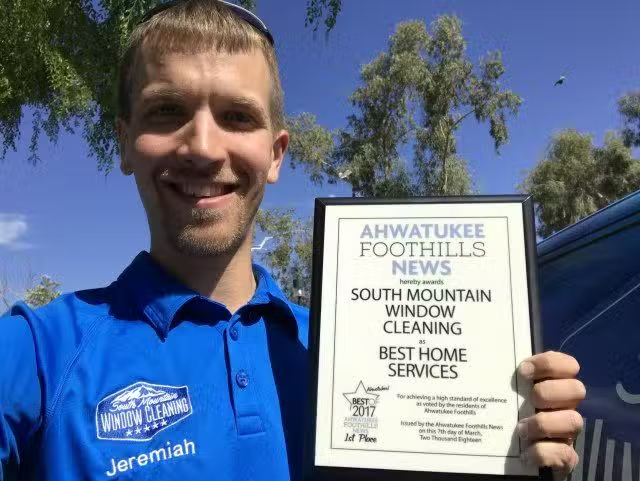
One Arizona company homeowners may come across is South Mountain Window Cleaning, which offers house washing among its exterior cleaning services and states that it is licensed, bonded, insured, carries a $2 million insurance policy, and has 400+ five-star reviews. Those details are useful because they speak to accountability and consistency.
A trustworthy contractor explains the process, the risks, and the likely outcome before the hoses come out.
A practical vetting checklist
Use this short list before you book:
- Ask for current insurance documents. Verbal assurance is not enough.
- Ask what method they would use on stucco and painted areas. The answer should be specific.
- Ask what stains are included in the quote. Hard water, rust, and oxidation often require separate treatment.
- Ask what could be damaged if the surface is already failing. A careful pro will mention cracked caulk, loose paint, and weak seals.
- Ask how they protect plants and control runoff. Desert landscaping still needs protection.
- Ask whether the quote defines the scope clearly. You want to know what is being washed, what is excluded, and what may need follow-up.
A lower price can still be the expensive choice if the contractor cleans too aggressively or skips the prep and detail work that Arizona homes need.
Frequently Asked Questions About Arizona House Washing
Can house washing remove rust stains from irrigation on stucco
Sometimes yes, sometimes partially, and sometimes not completely without specialized treatment. Rust and mineral staining are different from loose dirt. A normal house wash may improve the area, but stubborn irrigation stains often need a dedicated rust-removal process and careful spot testing because stucco can react unevenly.
Are the cleaning solutions safe for pets and desert landscaping
A professional crew should explain what they use, how they dilute it, and how they protect surrounding areas. Good practice includes pre-wetting sensitive plants when appropriate, controlling overspray, and doing a thorough rinse. If you have delicate cactus groupings, edible plants, or a pet area near the wall, point those out before the work begins.
What if my home has solar panels
That mainly affects workflow and runoff awareness. House washing around solar-equipped homes requires care around roof edges, conduit runs, and panel-adjacent areas. House walls and trim can still be cleaned, but the crew should account for where water travels and whether separate solar panel cleaning is part of the plan.
Will house washing damage paint or stucco
It can if the wrong method is used. It shouldn't if the contractor matches the process to the condition of the surface. Weak paint, hairline cracks, poor patching, and previously damaged stucco all need to be assessed before washing starts.
How do I know it's time to schedule service
You usually don't need a calendar reminder to tell you. If the house still looks dusty after a basic rinse, if you see dark streaking below runoff paths, if shaded walls are changing color, or if hard water residue is starting to define the lower portions of the wall, it's time to get an estimate.
If your home in Phoenix, Scottsdale, Paradise Valley, Chandler, Tempe, or Gilbert is showing dust buildup, stucco staining, or runoff marks that a hose won't fix, South Mountain Window Cleaning, LLC can help you evaluate the surface, the right cleaning method, and whether house washing makes sense now or should be scheduled around your next maintenance cycle.